
Vortex Diamondback HD 3-9×40: A Practical Field Review
After spending several months with the Vortex Diamondback HD 3-9×40 across multiple hunting seasons and range sessions, I’ve developed a clear picture of where this scope excels and where it shows its price point. This isn’t a flagship optic trying to compete with European alpha glass, but rather a practical hunting scope aimed at shooters who need reliable performance without the premium price tag. Vortex positioned this scope in the competitive $200-$300 range, where build quality and optical performance need to balance carefully against cost.
The Diamondback HD series represents Vortex’s mid-tier offering, sitting above their entry-level Crossfire line but below the Viper series. The 3-9×40 configuration remains one of the most popular variable power setups for general hunting, offering enough magnification for medium-range shots while maintaining a wide field of view at lower powers. Throughout this review, I’ll share what I’ve learned using this scope on both whitetail hunts and at the range, including some honest observations about its limitations.
First Impressions & Build Quality
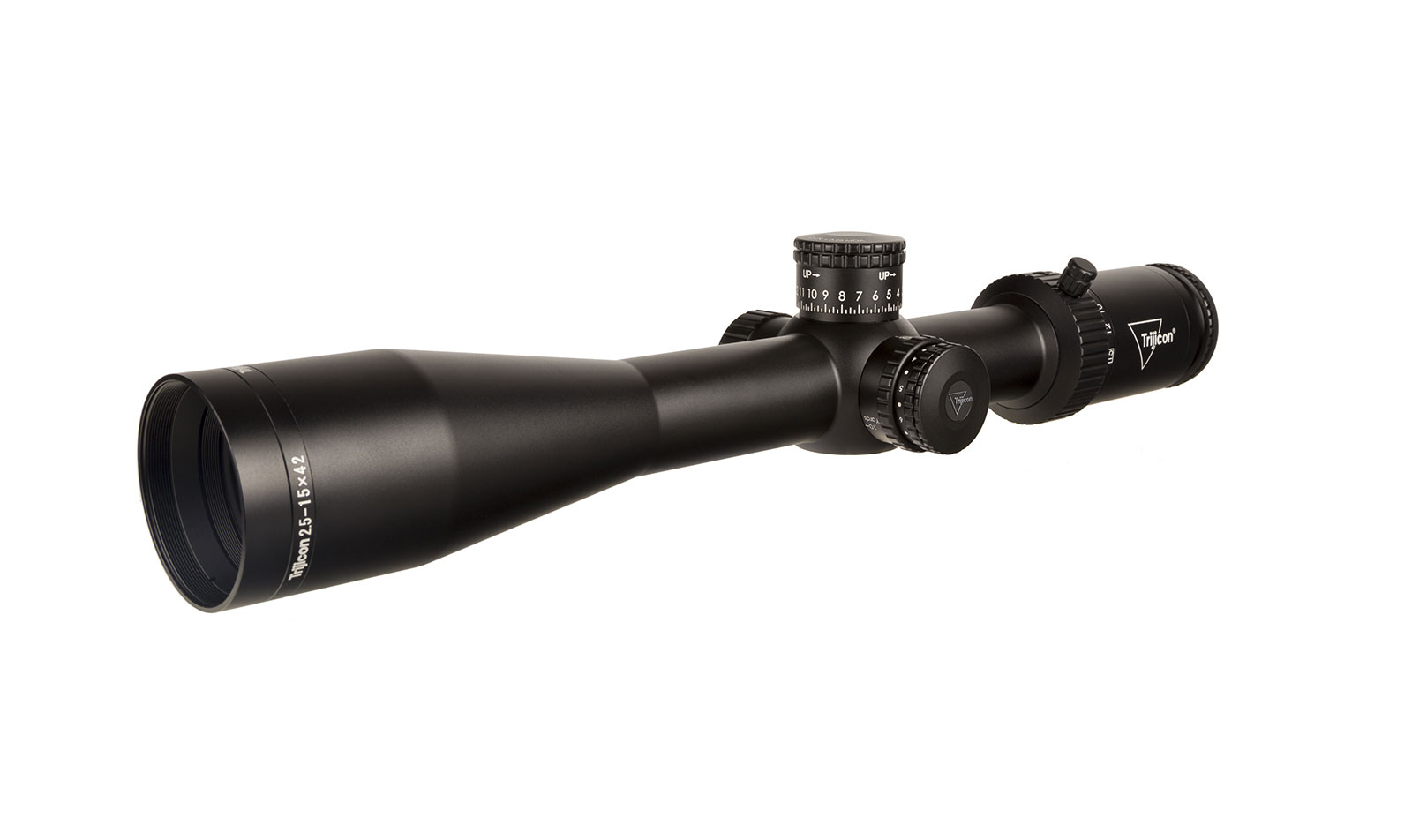
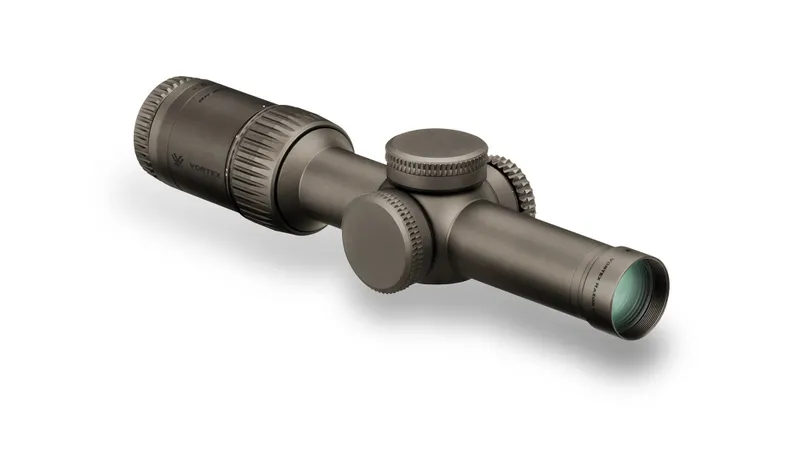
The Diamondback HD 3-9×40 feels surprisingly solid when you first handle it. The single-piece aircraft-grade aluminum tube has a reassuring heft at 15.5 ounces—not featherlight, but reasonable for a hunting scope in this class. The matte black anodizing appears even and durable, though after a season of use, I noticed minor wear on the turret caps where they contacted my rifle case. The scope measures 12.6 inches overall, which fits well on most hunting rifles without requiring extended rings or unusual mounting solutions.
Vortex’s rubber armor coating provides decent grip in wet conditions, though it’s noticeably thinner than what you’ll find on their higher-end Viper series. The fast-focus eyepiece adjusts smoothly with appropriate resistance—it won’t shift on its own, but you can still make quick adjustments with gloved hands. The magnification ring operates with moderate tension that some shooters will appreciate for deliberate adjustments, though I occasionally wished for slightly lighter action during quick transitions. The ocular and objective lens housings thread on securely without any detectable play, which speaks well for the manufacturing tolerances.
Optical Performance in the Field
The HD (High Density) extra-low dispersion glass represents the key upgrade over the standard Diamondback line, and you can see the difference when glassing across varied terrain. Edge-to-edge clarity is good at 3x and remains acceptable through 7x, though you’ll notice some softness creeping into the outer 15-20% of the image circle as you approach 9x magnification. Color fidelity impressed me more than I expected—greens appear natural without the yellowish cast that plagues some budget scopes, and browns maintain good separation for picking out deer against timber.
Low-light performance sits squarely in the middle of what you’d expect for a $250 scope with a 40mm objective. During the last 20 minutes of legal shooting light, I could still make out a deer’s vitals at 150 yards on 5x magnification, but fine details like antler points became challenging. The scope’s twilight factor of 10.95 (at 9x) tells the mathematical story, but real-world use reveals that lens coatings matter as much as objective diameter. Vortex’s fully multi-coated lenses help, though they don’t match the light transmission of premium scopes costing three times as much. In practical terms, this scope handles typical hunting hours well but won’t give you extra shooting time at dawn or dusk compared to other 40mm objectives in this price range.
Turrets & Reticle Options Explained
The capped turrets on the Diamondback HD follow a traditional hunting scope design philosophy—they’re meant to be zeroed and left alone rather than dialed frequently. Each click delivers 1/4 MOA of adjustment with tactile and audible feedback that’s clear enough to count reliably. I found the clicks slightly mushy compared to target scopes, but perfectly adequate for the occasional zero confirmation or environmental adjustment. The turrets provide 120 MOA of total elevation adjustment and 120 MOA of windage, which gives you reasonable flexibility for different loads or longer-range shooting.
Vortex offers this scope with several reticle options, though the Dead-Hold BDC and V-Plex remain the most popular choices. I tested the Dead-Hold BDC reticle, which features hash marks designed to correspond with specific distances when properly matched to your ballistics. The reticle sits in the second focal plane, meaning it maintains the same visual size regardless of magnification—the holdover marks are calibrated for 9x power. This works fine if you remember to max out your magnification before using holdovers, but it’s caught me once when I took a 250-yard shot at 6x and wondered why I hit low. The V-Plex offers a simpler duplex design that works better if you prefer ranging with your rangefinder and dialing or holding based on known distances.
Real-World Use: Hunting & Range Testing
I’ve used this scope primarily on a .308 Winchester for whitetail hunting in mixed hardwood forests and agricultural edges. The 3-9x range proves ideal for this application—3x provides enough field of view for close encounters in thick cover (shots under 50 yards), while 9x gives adequate detail for identifying deer and placing shots out to 300 yards. The eye relief measures 3.5 inches across the magnification range, which worked well with my rifle’s setup but required careful scope positioning during mounting. The eyebox feels forgiving at lower magnifications but tightens up noticeably above 7x, requiring more precise head positioning.
During range sessions, I tested the scope’s tracking and zero retention with box tests and extended shooting strings. The turrets tracked accurately through multiple rotations, returning to zero reliably when I dialed back to my original settings. Over 200 rounds and several weeks, my zero shifted less than 1/4 MOA, which is perfectly acceptable for a hunting scope. The scope has no parallax adjustment—it’s factory set at 100 yards—which means you’ll see some parallax error at closer and farther distances. At 50 yards, I measured about 0.5 inches of shift with head movement, and at 300 yards, roughly 0.75 inches. For hunting purposes within the scope’s intended range, this parallax doesn’t meaningfully affect accuracy.
How It Compares to the Competition
The Diamondback HD 3-9×40 competes in a crowded market segment where several manufacturers offer similar specifications. Here’s how it stacks up against direct competitors:
| Feature | Vortex Diamondback HD | Leupold VX-Freedom | Burris Fullfield E1 | Bushnell Engage |
|---|---|---|---|---|
| Street Price | $230 | $220 | $200 | $190 |
| Weight | 15.5 oz | 12.6 oz | 16.8 oz | 15.2 oz |
| Elevation Adjustment | 120 MOA | 90 MOA | 70 MOA | 80 MOA |
| Warranty | VIP Unlimited | Limited Lifetime | Forever Warranty | Limited Lifetime |
| Glass Quality | Good | Very Good | Fair | Good |
| Turret Feel | Adequate | Better | Adequate | Adequate |
The Leupold VX-Freedom edges out the Diamondback HD in optical clarity and weighs notably less, making it my pick if you’re counting ounces for mountain hunting. However, Vortex’s superior elevation adjustment range and truly unlimited warranty (including damage from your own mistakes) add value that shouldn’t be dismissed. The Burris Fullfield E1 costs less but shows it in glass quality—colors appear less vibrant, and low-light performance trails behind. Bushnell’s Engage offers comparable performance at a lower price, though I’ve found Vortex’s customer service more responsive when issues arise.
Where the Diamondback HD distinguishes itself is in the combination of adequate optical performance, generous adjustment range, and Vortex’s exceptional warranty. If you’re hard on equipment or want peace of mind, that VIP warranty—which covers everything from normal wear to accidentally backing over your scope with a truck—provides real value. The glass won’t wow you like a Zeiss or Swarovski, but it performs its job competently across most hunting scenarios. For shooters who might eventually want to stretch their range or experiment with different loads, that extra elevation adjustment becomes increasingly valuable.
Common Mistakes When Using This Scope
The second focal plane BDC reticle trips up more shooters than any other aspect of this scope. I’ve watched hunters attempt to use the holdover marks at 4x or 6x magnification, not realizing they’re only calibrated for 9x power. If you choose the BDC version, either commit to always using maximum magnification for longer shots or take time to calculate what the hash marks represent at intermediate powers. Alternatively, the V-Plex reticle eliminates this confusion entirely if you’re comfortable with more traditional aiming methods.
Another frequent error involves mounting the scope without carefully checking eye relief across the full magnification range. Because this scope lacks an adjustable objective, you can’t compensate for mounting mistakes by adjusting parallax or eye relief later. Take time during installation to ensure proper eye relief at both 3x and 9x—I’ve found that positioning the scope slightly farther forward than you might initially prefer works better as magnification increases. Also, some shooters expect target-scope precision from the turrets and get frustrated when the clicks feel less crisp than a dedicated tactical optic. Remember that these are hunting turrets designed for occasional adjustment, not repeated dialing throughout a shooting session. If you need precise, repeatable turret adjustments for every shot, you’re looking at the wrong scope category.
The Vortex Diamondback HD 3-9×40 serves a specific audience well: hunters and recreational shooters who need reliable performance at a reasonable price point and value warranty coverage that actually means something. It’s not the lightest option if you’re counting every ounce for backcountry hunts, and it’s not the clearest glass if you’re glassing in marginal light conditions. What it offers is a balanced package that handles the majority of hunting scenarios competently without breaking the bank. The generous elevation adjustment accommodates experimentation with different loads or longer shots, and that VIP warranty removes the anxiety about damaging your optic in the field.
This scope makes the most sense for deer hunters shooting inside 300 yards, hog hunters working varied terrain, or newer shooters building their first serious hunting rifle without committing to premium optic prices. If you’re primarily hunting in the first and last 15 minutes of light, consider spending more for better glass. If you’re a mountain hunter counting ounces, look at the lighter Leupold VX-Freedom. But if you want a workhorse hunting scope that’ll perform reliably across typical conditions with a warranty that’ll back you up when things go wrong, the Diamondback HD 3-9×40 deserves serious consideration. It’s not exciting, but it’s competent—and sometimes that’s exactly what you need.