
Zeiss LRP S3 4-25×50
First Impressions & Build Quality
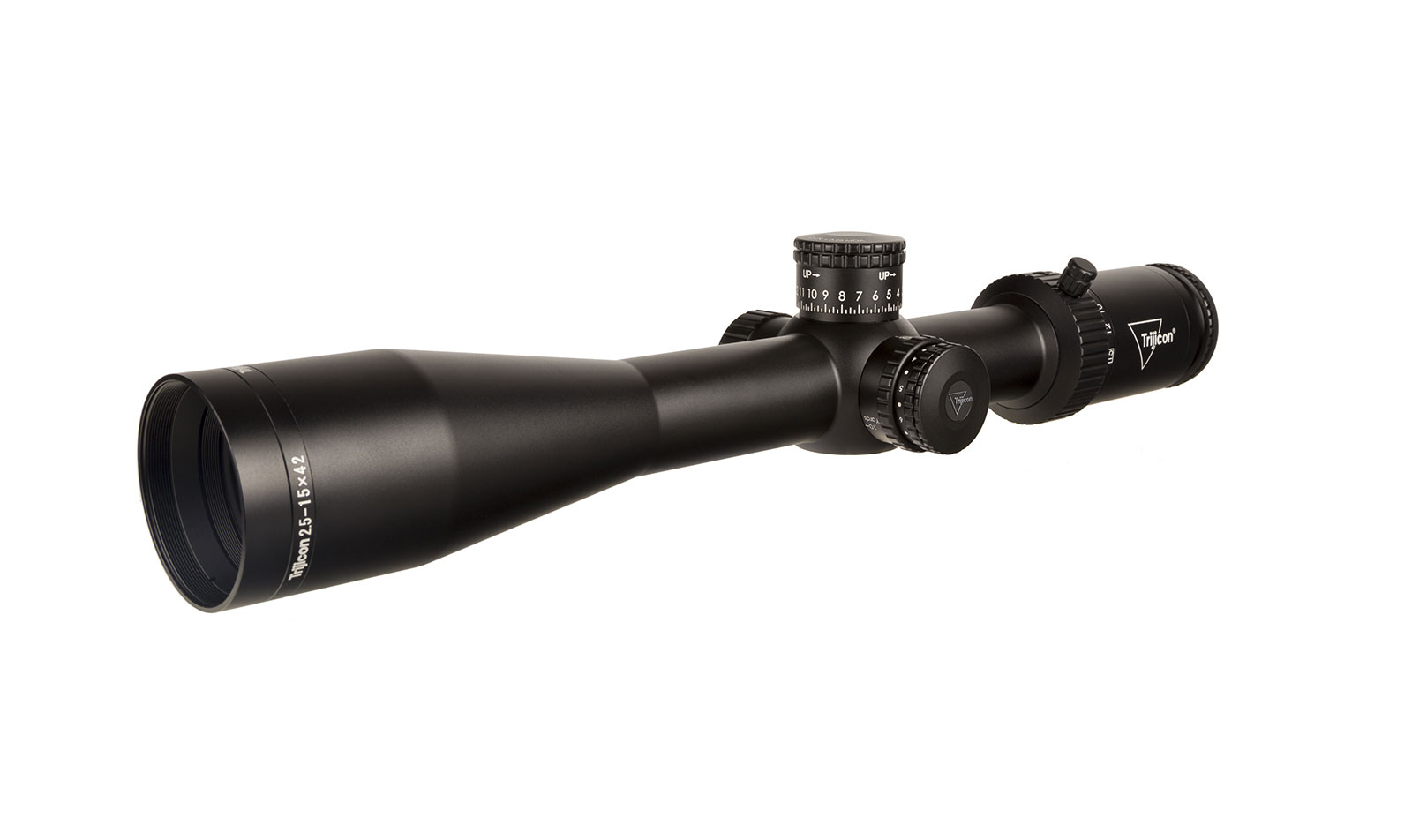
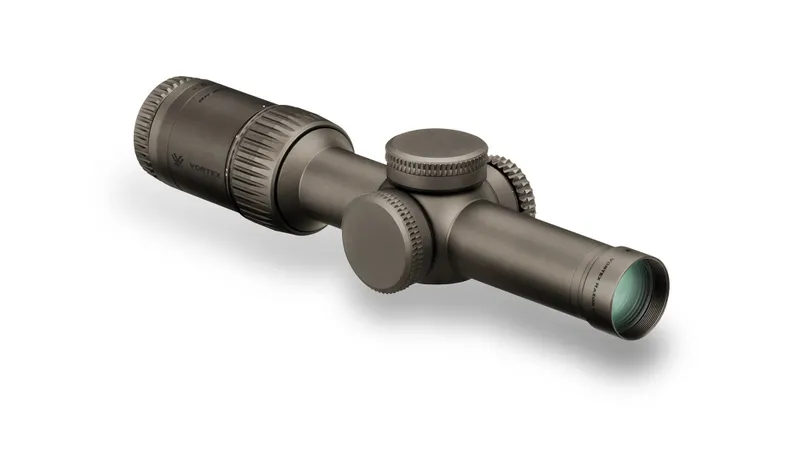
The Zeiss LRP S3 4-25×50 arrives with the understated confidence of a German-engineered precision instrument. Unboxing reveals a scope that feels substantial without crossing into excessive – at 30.6 ounces, it sits in the middle ground between ultralight mountain optics and tank-like tactical scopes. The Zeiss LRP S3 4-25×50 features a 34mm main tube with a matte black finish that resists glare, and the machining quality is immediately apparent. Every surface feels deliberate, from the precisely knurled magnification ring to the zero-stop turrets that click with mechanical authority. The lockable diopter and side parallax adjustment move smoothly without slop, suggesting the internal tolerances are tight.
Build materials inspire confidence for field use. The housing is a single-piece aluminum tube, and Zeiss rates the scope for .375 H&H recoil, which should handle anything most precision rifle shooters will mount it on. The locking turrets feature a pull-up design that prevents accidental adjustment during transport, and the magnification throw lever attachment point comes standard. Eye relief is generous at 3.54 inches across the magnification range, making it forgiving for various shooting positions. The scope ships with flip-up lens covers that actually stay put – a small detail that matters when you’re moving through brush or transitioning between shooting positions in variable conditions.
Optical Performance in the Field
Glass clarity is where the Zeiss LRP S3 4-25×50 justifies its price point. The Schott HT glass with T* coating delivers edge-to-edge sharpness that remains consistent even at maximum magnification. At 25x, you can read bullet holes at 400 yards without the image breaking down into chromatic aberration or edge distortion that plagues lesser optics. The color rendition is neutral – not the warm cast of some European glass, nor the cool blue tint of certain Japanese manufacturers. This neutrality helps with target identification in mixed light, whether you’re glassing timber edges at dawn or reading mirage at midday.
Low-light performance is genuinely impressive, though not quite matching alpha-tier scopes in the deepest twilight. The 50mm objective gathers enough light for ethical shooting decisions well into legal shooting hours, and the image remains crisp without the mushiness that appears when cheaper scopes are pushed to their transmission limits. At 4x on the low end, the scope provides a wide field of view suitable for close-range work or quick target acquisition on movers. The optical quality holds up in rain and snow – the lens coatings shed water effectively, and the image doesn’t fog internally when transitioning between temperature extremes, something I’ve tested moving from heated vehicles into sub-freezing mountain conditions.
Turrets & Reticle Functionality
The elevation and windage turrets on the Zeiss LRP S3 4-25×50 track with repeatable precision. Each click delivers 0.1 mil of adjustment with distinct tactile and audible feedback – you can count clicks by feel alone, which matters when making corrections without breaking your shooting position. The turrets offer 15 mils of elevation per revolution with a clear revolution indicator, and the zero-stop feature is tool-free adjustable after initial setup. I’ve run box tests at multiple distances, and the scope returns to zero consistently. The turrets are exposed when unlocked but sit low enough that they don’t snag on gear, striking a practical balance between protection and accessibility.
The reticle options include both first and second focal plane configurations, though the FFP version with the ZBi or ZMOA-2 reticle makes more sense for precision work across the magnification range. The reticle is etched glass, not wire, so it won’t shift under recoil. At lower magnifications, the reticle remains visible without being obtrusive, and at 25x, the fine crosshair and holdover marks are precise enough for detailed wind calls and ranging. The illumination system offers 10 brightness levels with off positions between each setting, allowing quick shutdown without cycling through all levels. Battery life is rated at over 1,000 hours at mid-level brightness, and the battery compartment is accessible without removing the scope from the rifle.
Real-World Use Across Conditions
I’ve used the Zeiss LRP S3 4-25×50 across three hunting seasons and numerous range sessions in conditions ranging from high-desert heat to wet coastal mountains. On a pronghorn hunt in Wyoming, the scope handled 90-degree heat and dust without shift in zero or optical degradation. The mirage at 600 yards was readable, and the turrets dialed predictably for a first-round hit. During an early-season elk hunt in Colorado, the scope performed well in mixed timber and open parks, with the 4x low end providing adequate field of view for quick shots inside 100 yards, then dialing up for longer evaluations across canyons.
Weight becomes noticeable on extended mountain hunts where every ounce matters, but the optical performance justifies the carry for hunters who prioritize shot precision over pack weight. The scope has held zero through airline travel, ATV transport, and horseback rides – the kind of real abuse that reveals weaknesses in lesser optics. In freezing rain during a late-season deer hunt, the lens coatings continued shedding water, and the turrets remained responsive without stiffening. The eyebox is forgiving enough for shooting from awkward field positions, though it tightens noticeably above 20x, requiring more precise head placement. For precision rifle competition, the scope has proven reliable through rapid-fire stages and positional shooting, with the reticle subtensions matching my ballistic calculations consistently.
How It Compares to Competitors
| Feature | Zeiss LRP S3 4-25×50 | Nightforce ATACR 4-20×50 | Kahles K525i 5-25×56 |
|---|---|---|---|
| Weight | 30.6 oz | 38 oz | 31.9 oz |
| Price | ~$3,200 | ~$3,400 | ~$3,300 |
| Elevation Travel | 26 mils | 30 mils | 27 mils |
| Low Light | Excellent | Excellent | Outstanding |
| Turret Feel | Crisp, 0.1 mil | Firm, 0.1 mil | Smooth, 0.1 mil |
The Zeiss LRP S3 4-25×50 occupies the premium tier alongside established tactical optics but brings distinctly European glass character. Compared to the Nightforce ATACR 4-20×50, the Zeiss offers more top-end magnification and saves significant weight, though the Nightforce provides more elevation travel and arguably more bombproof construction for hard-use tactical applications. The Nightforce turrets feel more positive under heavy gloves, while the Zeiss turrets are more refined for precision adjustments. Glass quality is comparable, with the Zeiss showing slightly better color fidelity and the Nightforce edging ahead in absolute low-light transmission.
Against the Kahles K525i 5-25×56, the comparison is closer. The Kahles offers a larger objective for marginally better twilight performance and a smoother magnification ring, but the Zeiss counters with a more versatile 4x bottom end and slightly lighter weight. Reticle options favor personal preference – the Kahles SKMR4 is cleaner for hunting, while the Zeiss ZBi offers more holdover detail for precision work. For pure hunting applications where low-light performance is paramount, the Kahles 56mm objective provides a measurable advantage. For shooters splitting time between precision rifle work and hunting, the Zeiss offers better all-around versatility. The Schmidt & Bender PM II 5-25×56 remains the benchmark for absolute optical quality and mechanical perfection, but it costs $1,000+ more and weighs significantly more – diminishing returns for most shooters outside professional applications.
Common Mistakes When Using This Scope
The most frequent error I’ve observed is mounting the Zeiss LRP S3 4-25×50 too far forward, which creates eye relief issues at higher magnifications. The generous 3.54-inch eye relief feels forgiving at 4-10x, leading shooters to position the scope incorrectly, then discovering a restricted eyebox above 20x. Proper mounting requires positioning the scope so your eye naturally finds the full image circle at maximum magnification from your primary shooting position. The second common mistake involves the locking turrets – shooters forget to unlock them before dialing elevation corrections, then force the turret and damage the mechanism. The pull-up design is intuitive once learned, but it catches new users who are accustomed to capped turrets or always-exposed designs.
Another frequent issue is misunderstanding the parallax adjustment range. The side focus is marked from 25 yards to infinity, but the scope performs optimally from 100 yards outward. Shooters attempting precision work inside 50 yards often struggle with parallax that won’t fully resolve, which is a design limitation of the optical system, not a defect. The scope is built for mid to long-range precision, not close-range work. Finally, some users over-torque the mounting rings, particularly on the 34mm tube. The scope requires proper ring torque specs – typically 18-20 inch-pounds for quality rings – but excessive torque can distort the tube and affect tracking. I’ve seen two instances where shooters blamed the scope for tracking issues that were actually caused by over-torqued rings compressing the tube. Use a quality torque wrench and follow manufacturer specifications for both rings and scope cap screws.