



Best Rifle Scopes for Hog Hunting
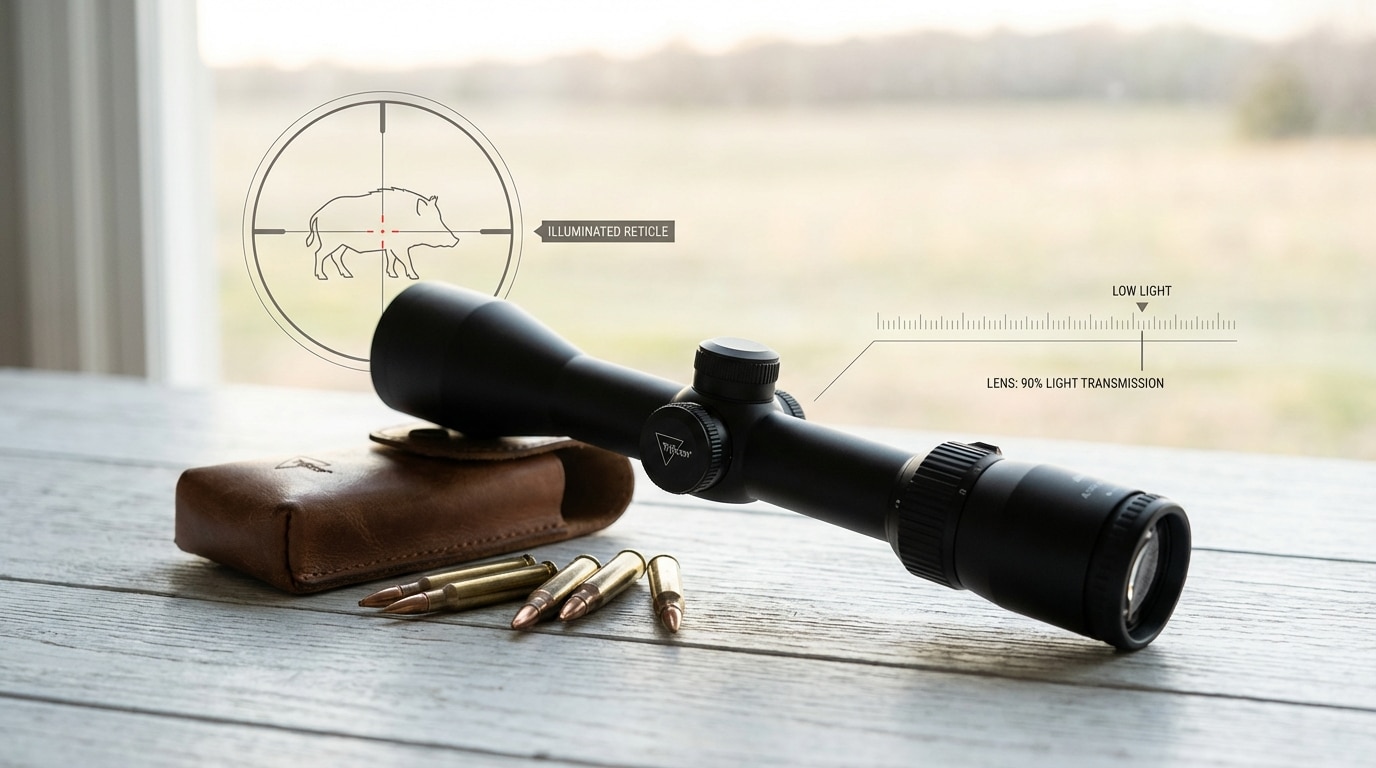
Feral hogs don’t follow whitetail rules. They move at night, travel in groups, require fast follow-up shots, and show up anywhere from thick brush at 30 yards to open senderos at 250. The right scope for hog hunting needs to handle low light, mount securely for high-volume shooting, and give you enough field of view to track a running sounder without losing your target picture.
Most hunters discover their deer scope falls short on hogs the first time they’re staring at dark shapes over a feeder at midnight or trying to swing on a 200-pound boar crashing through mesquite. This guide covers what actually works for hog hunting, from budget 3-9x options to thermal-ready setups, based on field use across Texas, the Southeast, and anywhere else these invasive animals cause problems.

What Makes Hog Hunting Scopes Different
Hog hunting demands more from your optic than most big game pursuits. You’re often shooting in complete darkness or deep twilight, which means your scope needs excellent light transmission or compatibility with night vision and thermal devices. Hogs also present rapid shot opportunities – a sounder can appear, feed, and vanish in minutes, so target acquisition speed matters more than fine-tuning a perfect hold on a bedded animal.

Durability takes priority because hog hunting involves volume. You might take three shots on deer season and 30 on hogs in a weekend. Scopes need to hold zero through repeated recoil from .308, .300 Blackout, or 6.5 Grendel platforms, often mounted on semi-auto AR-15 and AR-10 rifles that see hard use in trucks, ATVs, and night stands. Field of view also becomes critical – a narrow scope that works fine for stand hunting deer will cost you shots when a hog breaks from cover at 40 yards and you’re trying to lead it through thick brush.
Day vs Night: Choosing Your Hog Scope Setup
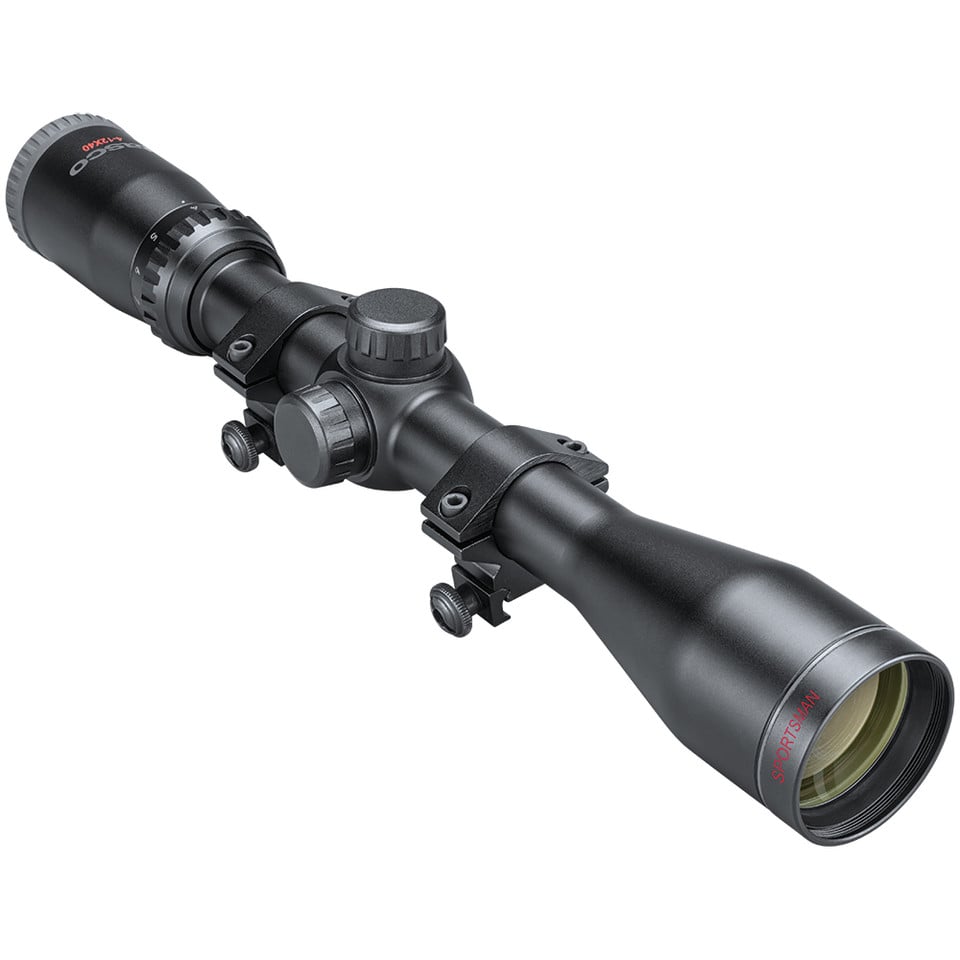
Daytime hog hunting favors traditional magnification ranges with good clarity and rugged construction. A quality 3-9×40 or 2-10x scope handles most situations from feeders to field edges, giving you enough power to identify targets and make ethical shots without the weight and eye relief limitations of higher magnification. The Leupold VX-Freedom 3-9×40 and Vortex Diamondback Tactical 4-12×40 both deliver reliable performance in this category, with the Vortex offering exposed turrets if you’re shooting varied distances.

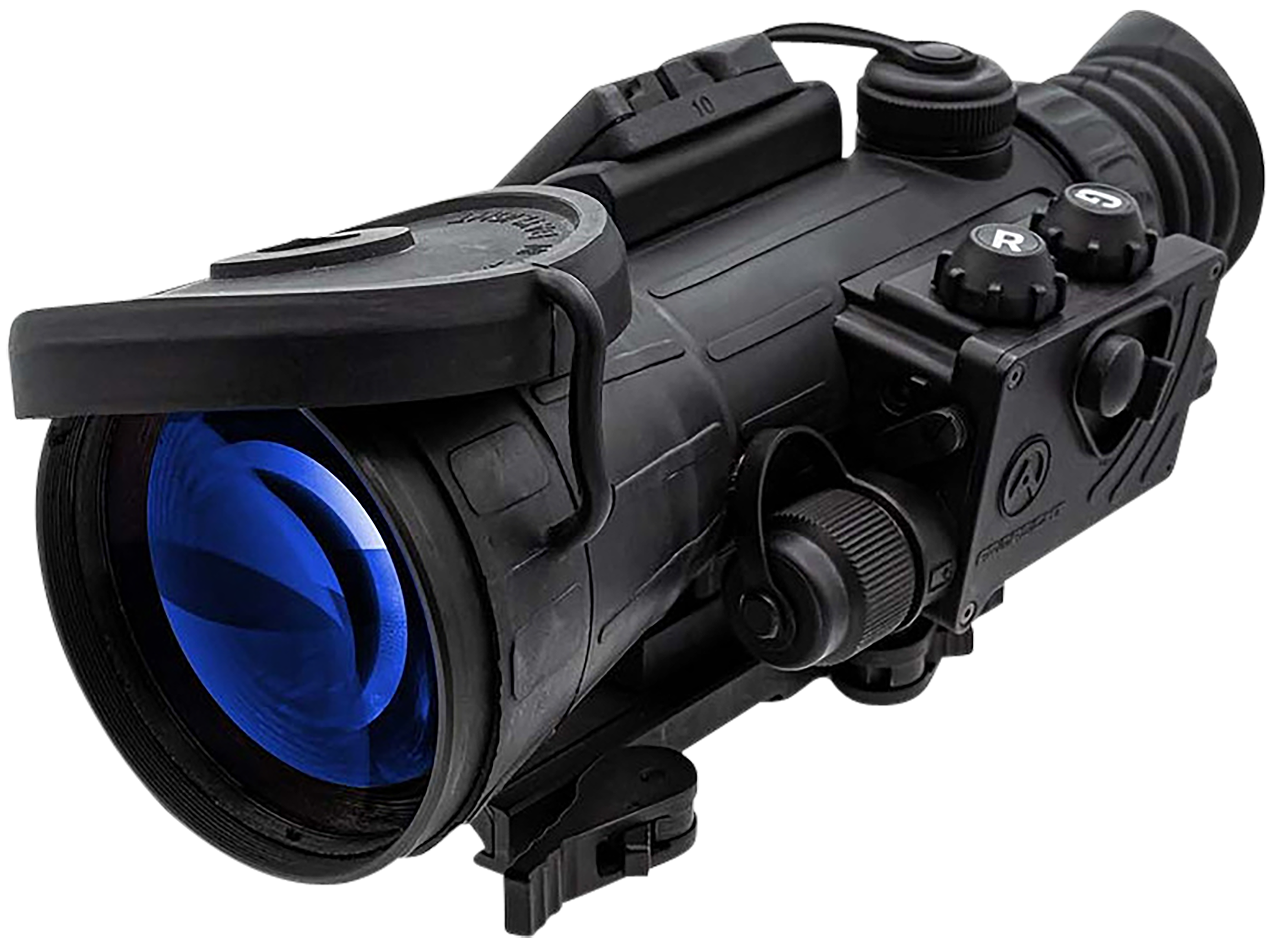
Night hunting completely changes your requirements. You need either a dedicated night vision or thermal scope, or a traditional scope that works with clip-on devices. Many hunters run a simple 3-9x scope with a clip-on thermal like the Pulsar Merger or AGM Taipan, which lets you use the same rifle setup day or night. If you’re hunting exclusively after dark, dedicated thermal scopes like the Pulsar Thermion or AGM Rattler provide better image quality and don’t require bore-sighting two systems, though they cost significantly more and leave you with a specialized tool that doesn’t serve double duty.
Best Low-Power Scopes for Fast Hog Shots
Low-power variable optics (LPVOs) in the 1-6x or 1-8x range excel when hogs appear suddenly at close range. The true 1x bottom end lets you shoot with both eyes open for situational awareness, while 6-8x gives enough magnification for positive identification and precise shot placement out to 200 yards. The Vortex Strike Eagle 1-6×24 offers solid value with a daylight-bright illuminated reticle, though its glass quality shows limitations in the last 30 minutes of shooting light compared to higher-tier options.

For hunters who can stretch the budget, the Primary Arms PLx 1-8×24 and Trijicon Credo HX 1-8×28 both deliver noticeably better low-light performance and more forgiving eye boxes. The Primary Arms uses an ACSS reticle with built-in ranging for hogs, which speeds up holdovers on running shots. The Trijicon costs more but handles recoil from hard-kicking calibers better than most LPVOs and maintains zero through thousands of rounds. These scopes work particularly well on AR-15 platforms in .300 Blackout or 5.56, where you might engage hogs from 25 to 200 yards in a single evening.
Quick Checklist for Hog Hunting Scopes
- Illuminated reticle for low-light and night hunting with feeders or lights
- Minimum 40mm objective for adequate light gathering in dawn/dusk
- Exposed turrets only if you’re shooting multiple known distances regularly
- Capped turrets for hunting from stands and feeders where you set-and-forget zero
- Second focal plane reticle for consistent reticle size across magnification ranges
- 30mm tube for better adjustment range and light transmission than 1-inch
- Warranty coverage from manufacturers who handle hard-use hunting claims
- Eye relief of 3.5-4 inches to accommodate various shooting positions and recoil
Top Night Vision and Thermal-Ready Scopes
If you’re running clip-on night vision or thermal devices, your day scope needs to be compatible. Most clip-ons work best with scopes in the 3-9x or 4-12x range mounted at specific eye relief distances. The Nightforce SHV 3-10×42 and Trijicon Tenmile 3-18×44 both pair well with clip-on thermals, offering clear glass that doesn’t introduce artifacts and enough magnification to use the thermal’s resolution effectively. The Nightforce holds zero better through repeated mounting and dismounting of clip-on units, while the Trijicon provides a wider field of view at lower magnifications.

Dedicated thermal scopes eliminate the clip-on complexity but lock you into night-only hunting. The AGM Rattler TS35-384 and Pulsar Thermion 2 XP50 represent the mid-tier thermal market, with the AGM offering better value and the Pulsar delivering superior image processing and detection range. Both handle hog-hunting distances well out to 300 yards, with enough refresh rate to track running animals. The limitation is cost – you’re spending $2,500-$4,500 for a scope that sits unused during daylight hours, versus $800-$1,500 for a quality day scope plus a clip-on thermal you can move between rifles.
Common Mistakes When Buying a Hog Scope
Hunters often buy too much magnification, thinking they need a 4-16x or 5-25x scope for hogs. Most hog shooting happens under 150 yards, and high magnification scopes have narrow fields of view that make tracking moving animals difficult. You’ll lose more shots fumbling to find a running hog in a narrow scope than you’ll gain from extra magnification on stationary targets. A 3-9x or 2-10x handles 95% of hog hunting situations better than scopes with higher top-end power.

Another common error is choosing scopes without illuminated reticles for night hunting. Even with feeder lights or weapon-mounted lights, an illuminated reticle speeds up target acquisition significantly in low-contrast conditions. Hunters also frequently mount scopes without considering clip-on device compatibility – if you think you might add thermal or night vision later, choose a scope with a straight optical path and avoid models with heavy parallax adjustment turrets that interfere with clip-on mounting. Finally, many hunters underestimate the recoil and round count their scope will endure on a hog rifle, choosing lightweight scopes designed for bolt-action deer rifles that fail when mounted on hard-recoiling semi-autos.
Reticle and Durability Features That Matter
Reticle choice for hog hunting depends on your shooting style and distances. A simple duplex or BDC reticle works fine for hunters shooting over feeders at known distances under 100 yards. The Vortex Dead-Hold BDC and Leupold Boone & Crockett reticles both offer holdover references that work reasonably well for common hog cartridges, though you need to verify drops with your specific load. For hunters engaging hogs at varied distances, a mil or MOA-based reticle like the Vortex EBR-2C or Trijicon MOA Precision Hunter provides more precise holdovers and windage corrections.

Durability features separate hog scopes from casual-use optics. Look for one-piece tube construction, aircraft-grade aluminum, and fully multi-coated lenses sealed with O-rings. The scope should be both waterproof and fog-proof, because hog hunting often means temperature swings from air-conditioned trucks to humid night air. Scopes designed for tactical or precision rifle use generally handle hog hunting abuse better than those marketed primarily for hunting. The Athlon Argos BTR Gen 2 4-14×44 and Arken SH4 Gen 2 4-16×50 both offer robust construction at mid-range prices, though the Arken’s heavier weight suits bolt guns better than AR platforms.

| Scope Model | Magnification | Objective | Reticle Type | Weight | Price Tier |
|---|---|---|---|---|---|
| Vortex Strike Eagle 1-6×24 | 1-6x | 24mm | BDC (illuminated) | 17.6 oz | Budget |
| Primary Arms PLx 1-8×24 | 1-8x | 24mm | ACSS (illuminated) | 19.4 oz | Mid |
| Leupold VX-Freedom 3-9×40 | 3-9x | 40mm | Duplex | 12.6 oz | Budget |
| Trijicon Credo HX 1-8×28 | 1-8x | 28mm | BDC (illuminated) | 24.5 oz | Premium |
| Nightforce SHV 3-10×42 | 3-10x | 42mm | MOAR | 20.8 oz | Premium |

FAQ: Hog Hunting Scope Questions Answered
Can I use my deer hunting scope for hogs?
Yes, if it has adequate light transmission and an illuminated reticle for low-light conditions. Most 3-9×40 deer scopes work fine for daytime hog hunting and hunting over feeders with lights. You’ll want to upgrade if you’re hunting in complete darkness or need faster target acquisition for running shots.
What’s the best scope magnification for AR-15 hog hunting?
A 1-6x or 1-8x LPVO handles the 25-200 yard range most AR-15 hog hunting covers. The true 1x lower end works for close brush shots, while 6-8x provides enough power for positive identification and ethical shot placement at longer ranges. If you’re primarily shooting over feeders at known distances, a fixed 4x or 3-9x works equally well.
Do I need a thermal scope or will a clip-on work?
Clip-on thermal devices offer more flexibility since you can use your rifle with the same zero day or night. Dedicated thermal scopes provide better image quality and simpler operation but cost more and only work after dark. Start with a quality day scope and add a clip-on thermal if your night hunting volume justifies the investment.
How much should I spend on a hog hunting scope?
Expect to spend $300-$600 for a reliable scope that handles hog hunting demands. The Vortex Diamondback Tactical, Leupold VX-Freedom, and Primary Arms Classic lines all offer good value in this range. Spending $800-$1,500 gets you noticeably better low-light performance and durability from Trijicon, Nightforce SHV, or Leupold VX-5HD models.
What reticle features help most for night hog hunting?
An illuminated reticle with multiple brightness settings makes the biggest difference. Red illumination preserves night vision better than green. Simple reticle designs with thick outer posts and a fine center aiming point work better in low light than complex Christmas tree reticles that wash out when illuminated.
Will my scope hold zero on a semi-auto hog rifle?
Quality scopes from Vortex, Leupold, Trijicon, and Nightforce handle semi-auto recoil well. Budget scopes under $200 often fail on AR-10 platforms in .308 or 6.5 Creedmoor after a few hundred rounds. Mount your scope properly with quality rings torqued to spec – mounting problems cause more zero shift than scope failure on reputable brands.
Quick Takeaways
- Match magnification to range: 1-6x for brush, 3-9x for feeders, 4-12x for open country
- Illuminated reticles aren’t optional for serious night hog hunting
- Clip-on thermals work with quality day scopes in 3-9x or 4-12x ranges
- Durability matters more than features when shooting high volume
- Field of view trumps magnification for tracking running hogs
- Most hog hunting happens under 150 yards despite what magnification marketing suggests

Expert Conclusion: Match Your Scope to Your Hunt
Your ideal hog scope depends entirely on when and where you hunt. Hunters working feeders at known distances under lights need nothing more than a reliable 3-9×40 with an illuminated reticle – the Leupold VX-Freedom or Vortex Diamondback Tactical both deliver here without unnecessary features. If you’re hunting thick South Texas brush where hogs appear suddenly at 30 yards and sprint to cover, a 1-6x LPVO like the Vortex Strike Eagle or Primary Arms PLx makes more sense.
Night hunters running thermal clip-ons should prioritize scope quality and thermal compatibility over features. The Nightforce SHV 3-10×42 or Trijicon Tenmile 3-18×44 both provide the optical clarity and zero retention that clip-on devices require. Hunters committed to night-only pursuit might justify a dedicated thermal scope, but most find better value in a quality day scope paired with a clip-on unit that moves between rifles. The worst choice is buying more scope than you need – extra magnification, complex reticles, and heavy weight all work against you when a sounder of hogs appears and you have seconds to make the shot.