
Trijicon Tenmile 3-18×44: Field-Tested Review
The Trijicon Tenmile 3-18×44 entered a crowded mid-to-high tier scope market with a reputation to uphold. Trijicon built its name on bombproof combat optics, but the hunting and precision rifle world demands more than just durability – glass quality and tracking precision matter equally. After several months rotating this scope across multiple rifles in conditions ranging from fog-soaked coastal blacktail hunts to high-desert coyote work, I’ve developed a clear picture of where it excels and where it falls short. This isn’t a scope that dominates every category, but it carves out a specific niche for shooters who prioritize mechanical reliability and repeatable performance over the absolute pinnacle of optical clarity.
Trijicon Tenmile 3-18×44: First Impressions
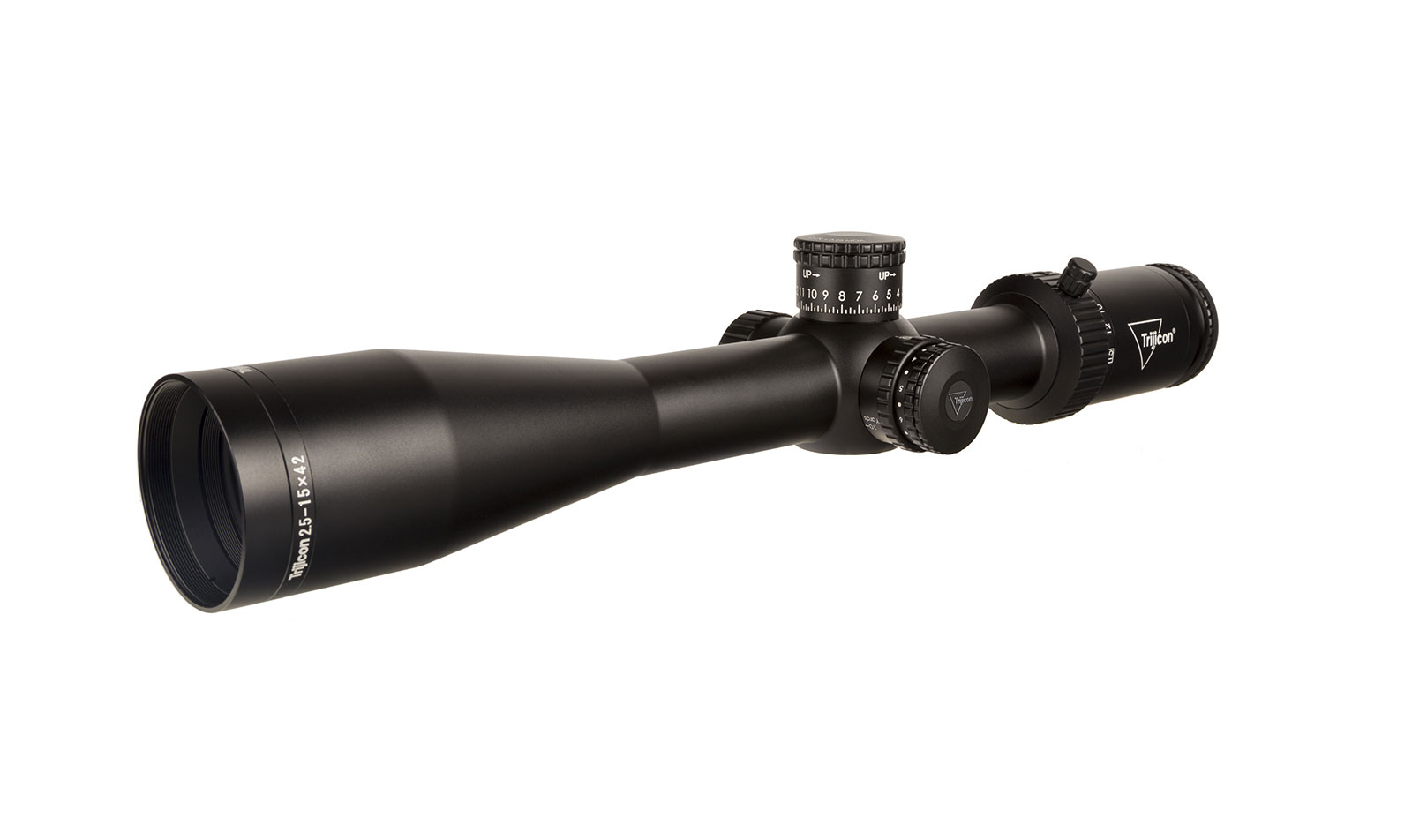
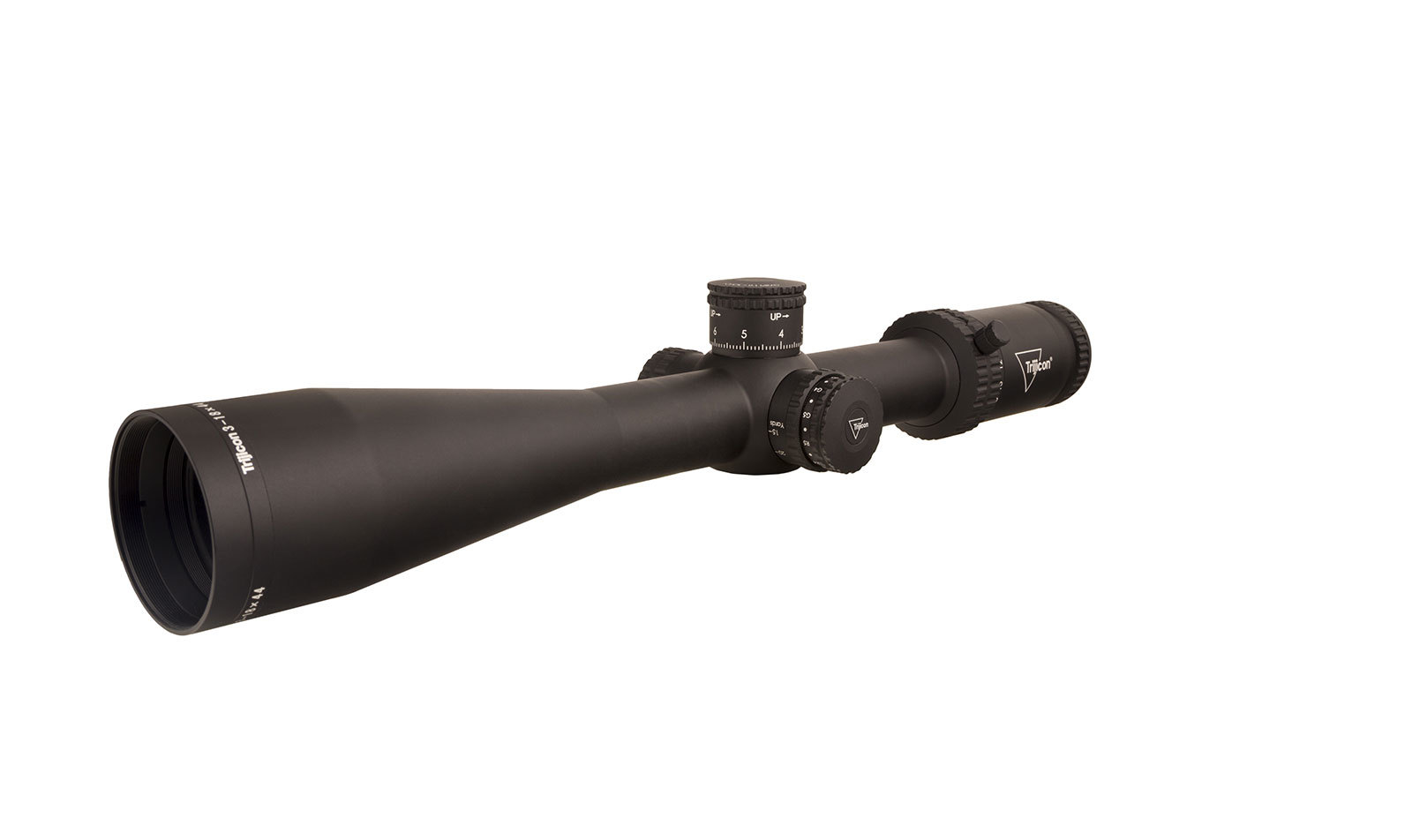
Unboxing the Tenmile, you immediately notice the build quality. The scope feels dense and purposeful at 27 ounces – not featherweight, but reasonable for a 44mm first focal plane optic with this feature set. The matte finish resists glare well, and the turrets have a tactile, industrial quality that suggests they’ll survive hard use. Trijicon includes a throw lever, lens cloth, and a basic sunshade, which is adequate but not generous compared to some European competitors that include neoprene covers and better documentation.
The eyebox at 3x is forgiving, though it tightens noticeably past 12x – not a dealbreaker for deliberate shooting, but quick target acquisition at higher magnifications requires more head positioning discipline than I’d like. The parallax adjustment on the left side turns smoothly with clear markings from 50 yards to infinity, and the magnification ring has appropriate resistance. The diopter locks securely after adjustment, which seems minor until you’ve had one drift during a hunt. Overall, first impressions suggest a tool built for work rather than showcasing, which aligns with Trijicon’s design philosophy.
Optical Performance in Field Conditions
The Tenmile’s glass is good – noticeably clearer than budget options like the Athlon Ares BTR Gen 2, but it doesn’t quite match the alpha-tier European glass found in Zeiss or Schmidt & Bender at similar price points. In bright midday conditions, edge-to-edge clarity is excellent through about 80% of the field of view, with slight softness creeping in at the periphery past 15x. Color rendition leans slightly cool, which I actually prefer for identifying animals against varied terrain – warmer glass can make browns and tans blend together in certain lighting.
Low-light performance is where the Tenmile shows its limitations. During last-light hunting scenarios – that critical 20 minutes after sunset when deer are most active – the scope performs adequately but not exceptionally. I ran direct comparisons with a Nightforce NX8 2.5-20×50 and a Zeiss V4 4-16×44, and the Trijicon resolved detail noticeably less well than the Zeiss in deep shadow, though it outperformed the NX8 (which has its own compromises due to the compact design). The fully multi-coated lenses do their job, but if you’re primarily hunting thick timber or dawn/dusk transitions, the glass quality may leave you wanting more. For midday precision work or open-country hunting where light isn’t constrained, it’s entirely capable.
Turrets, Reticle, and Tracking Accuracy
This is where the Tenmile earns its keep. The exposed tactical turrets offer 0.1 Mil adjustments with crisp, audible clicks that you can feel even with gloves. I’ve put roughly 300 rounds of tracking tests through this scope – box drills, tall target tests, and return-to-zero verification – and it’s been flawless. Zero retention through multiple rifle swaps, temperature changes from 20°F to 85°F, and general abuse has been rock solid. The turrets aren’t as refined-feeling as a Kahles or ZCO, but they’re absolutely trustworthy, which matters more in the field.
The MRAD reticle (I tested the standard version, not the HVF variant) is a floating center dot design with holdover marks that remain usable across the magnification range without cluttering the view at low power. Being first focal plane, the subtensions are consistent, which is essential for ranging or holdovers. My only complaint is the illumination system – it’s daylight-bright at the top settings, but the lower settings aren’t dim enough for true low-light use without creating bloom around the center dot. The battery compartment is accessible without removing the scope, which is a practical touch often overlooked. For dialing elevation on longer shots, the turret system inspires confidence; for quick holds using the reticle, it’s functional but not the most intuitive tree-style system available.
Real-World Performance Across Hunting Scenarios
I mounted the Tenmile on a 6.5 Creedmoor for antelope and coyote work where shots ranged from 200 to 650 yards. At 3x, the scope provides enough field of view for scanning terrain and quick follow-ups on running animals – not as fast as a true low-power variable, but workable. Dialing for distance was straightforward, and the scope tracked perfectly through elevation adjustments. On a 450-yard antelope, I dialed 4.2 Mils, made the shot, and returned to zero without issue. The weight balance on a lighter hunting rifle is acceptable; it’s not a scope I’d choose for a mountain rifle where every ounce counts, but for a general-purpose western hunting rig, it doesn’t feel burdensome.
Where the Tenmile struggled was in dense timber during an early-morning blacktail hunt. The combination of tighter eyebox at higher magnification and merely adequate low-light glass meant I found myself dropping to 6-8x and wishing for better twilight performance. For driven hunts or fast-moving targets in confined spaces, there are better options. However, for shooters who need a durable, repeatable scope for precision shots in moderate to good light – prairie dog towns, long-range target work, or open-country big game – the Tenmile delivers reliable performance. It’s a scope that rewards deliberate shooting and punishes rushed technique, which may be a feature or a bug depending on your hunting style.
Comparison Table
| Feature | Trijicon Tenmile 3-18×44 | Zeiss V4 4-16×44 | Nightforce NX8 2.5-20×50 | Athlon Ares BTR Gen 2 2.5-15×50 |
|---|---|---|---|---|
| Street Price | ~$1,400 | ~$1,100 | ~$1,900 | ~$550 |
| Weight | 27 oz | 21.2 oz | 28.2 oz | 24.6 oz |
| Glass Quality | Good | Excellent | Good | Fair |
| Low-Light Performance | Adequate | Excellent | Adequate | Poor |
| Turret Reliability | Excellent | Very Good | Excellent | Good |
| Eyebox | Moderate | Generous | Tight | Generous |
| Best Use Case | Open-country precision | All-around hunting | Tactical/compact build | Budget long-range |
Who This Scope Is For – And Who Should Look Elsewhere
The Trijicon Tenmile 3-18×44 is ideal for shooters who prioritize mechanical reliability and tracking accuracy over the last 10% of optical refinement. If you’re building a dedicated long-range hunting rifle for antelope, mule deer in open terrain, or varmint work where shots happen in good light and precision matters more than speed, this scope will serve you well. It’s also a solid choice for precision rifle competitors who need a durable optic that won’t break the bank but still delivers repeatable performance. The scope’s ruggedness makes it suitable for guides, outfitters, or anyone who subjects equipment to hard use.
However, if your primary hunting involves low-light conditions – thick eastern timber, dawn/dusk whitetail sits, or European-style driven hunts – the optical performance won’t impress you, and you’d be better served by the Zeiss V4 or even stepping up to a Leupold VX-6HD. Mountain hunters counting ounces should also look elsewhere; the Tenmile isn’t heavy, but lighter options exist with comparable performance. Similarly, if you demand alpha-tier glass and have the budget for it, Kahles, Schmidt & Bender, or even the Nightforce ATACR line will provide noticeably better optical clarity. The Tenmile occupies a middle ground – better than budget options, not quite reaching premium European standards, but built with a reliability that justifies its price for the right user.
The Trijicon Tenmile 3-18×44 is a competent, workmanlike scope that doesn’t chase perfection in any single category but delivers balanced, dependable performance where it matters most – tracking and durability. It won’t wow you with glass quality in twilight conditions, and the eyebox requires more discipline than some competitors, but it will hold zero, track true, and survive hard use without complaint. For shooters who understand its strengths and match them to appropriate hunting scenarios – open country, moderate to long range, good lighting – it represents solid value in the $1,400 range. Just know what you’re getting: a reliable tool, not a showcase optic. If that aligns with your priorities and shooting style, the Tenmile will likely exceed your expectations through sheer consistency.