
The Leupold VX-6HD 1-6×24 sits in an interesting position within the low-power variable optic (LPVO) market – it’s built by a company known for traditional hunting scopes, yet it aims to serve both fast-moving hunters and tactical shooters who need rapid target acquisition at close range with the option to reach out to mid-distance. After several months of field testing across deer drives, hog hunts, and range work, the Leupold VX-6HD 1-6×24 has proven itself as a capable optic with standout glass quality and some design choices that won’t suit everyone. This isn’t a scope trying to be everything to everyone, and understanding where it excels – and where it falls short – matters before you spend north of $1,500.
What sets this optic apart from cheaper 1-6x options is Leupold’s commitment to optical quality and a genuinely usable 1x setting. The Leupold VX-6HD 1-6×24 delivers the kind of glass clarity you’d expect from European alpha glass at a lower price point, but it pairs that performance with a weight and eye relief profile that feels more hunting-oriented than tactical. If you’re choosing between this and a Vortex Razor or Nightforce NX8, the decision comes down to what you prioritize: pure optical performance or features like illumination reticle options and zero-stop turrets.
First Impressions & Build Quality
The Leupold VX-6HD 1-6×24 arrives with a fit and finish that immediately communicates quality. The tube is a standard 30mm, and the scope weighs 16.2 ounces – not featherweight territory, but reasonable for the glass quality you’re getting. The aluminum construction feels dense and purposeful, with smooth matte finish that resists glare without being overly textured. Leupold’s Guard-Ion lens coating is applied to all air-to-glass surfaces, and in the field, this translates to excellent water shedding and scratch resistance. The eyepiece and magnification ring both turn with appropriate resistance – not too stiff, not loose enough to shift accidentally.
One immediate observation is the eye relief, which sits at 3.7 inches across the magnification range. This is tighter than many tactical LPVOs, which often give you 3.9 to 4.1 inches. For shooters with longer arms or those running AR platforms with adjustable stocks, this can feel cramped. The fast-focus eyepiece dials in quickly, but the eye box at 1x is less forgiving than I’d prefer for truly rapid both-eyes-open shooting. It’s not a dealbreaker, but if you’re used to a Razor HD Gen II or Kahles K16i, you’ll notice the difference immediately when snapping to target under stress.
Optical Performance in the Field
The glass in the Leupold VX-6HD 1-6×24 is where this scope earns its price tag. Edge-to-edge clarity rivals optics costing several hundred dollars more, and color rendition is neutral without the slight warmth you sometimes see in Japanese glass. During early morning deer drives in Pennsylvania, the scope gathered light impressively – not quite alpha-tier like a Swarovski Z6i, but noticeably better than mid-range options from Vortex or Primary Arms. At 6x magnification, I could clearly distinguish antler points at 250 yards in flat light conditions that had my hunting partner struggling with his older Leupold VX-3i.
Low-light performance is genuinely excellent. Testing during last light on several evenings, the VX-6HD maintained usable resolution roughly 15-20 minutes longer than a Vortex Strike Eagle 1-6×24 I had for comparison. The 24mm objective is modest, but Leupold’s lens coatings and internal design maximize light transmission. At 1x, there’s minimal tunneling effect – the image opens up nicely for close-range work. However, the reticle illumination (discussed more below) doesn’t quite match the glass quality. The daylight-bright settings work, but they’re not as crisp or uniform as what you’ll find on dedicated tactical LPVOs.
Turrets & Reticle Functionality
The Leupold VX-6HD 1-6×24 ships with Leupold’s CDS-ZL2 turrets, which are capped and designed for hunting rather than dialing. Each click represents 1/4 MOA, and the feedback is positive but quiet – you feel them more than hear them. For a hunting scope, this works fine. The turrets track reliably (I verified this with box tests), but there’s no zero stop, and the turret design isn’t meant for frequent adjustments. If you’re planning to dial for distance regularly, this isn’t your scope. It’s designed for set-and-forget zeroing with holdovers for anything beyond point-blank range.
Reticle options include several configurations, but most hunters will gravitate toward the Firedot Duplex or the Firedot 4 Fine. I tested the Firedot Duplex, which places a 0.5 MOA illuminated dot at center surrounded by traditional duplex crosshairs. The reticle is second focal plane, so it remains the same visual size across magnification changes – ideal for hunting where you want consistent aiming reference. The illumination has 11 settings, with the top 3-4 being daylight-visible. However, the dot can appear slightly bloomed at maximum brightness, losing that crisp edge you want for precision work. At moderate settings in timber or dawn conditions, it’s excellent – just don’t expect Aimpoint-level crispness.
Real-World Use Across Conditions
I’ve run the Leupold VX-6HD 1-6×24 on both a Tikka T3x in 6.5 Creedmoor and a Daniel Defense DDM4V7 in 5.56, and it’s performed reliably across temperatures from 15°F to 85°F. The scope has held zero through several hundred rounds of recoil and hasn’t fogged internally despite multiple rapid temperature transitions from heated truck cab to freezing stand. The lens coatings shed rain and snow effectively – a quick wipe with a microfiber cloth is usually all that’s needed. Weight distribution is slightly front-heavy, which you’ll notice more on lighter rifles, but it balances well on a standard 16-inch AR.
Where this scope shines is driven hunts and situations requiring quick target identification followed by a precise shot inside 300 yards. The glass quality means you can confirm your target is legal game, not another hunter or livestock, faster than with budget optics. At 6x, I’ve made consistent hits on 8-inch steel at 400 yards, though this is pushing the scope’s practical limits. The 1x setting works for close encounters – I’ve used it effectively on hogs at 15 yards in thick brush – but the eye box demands good cheek weld consistency. This isn’t a red dot replacement; it’s a hunting scope that can handle close work when needed.
How It Compares to Competitors
| Scope | Weight | Eye Relief | Glass Quality | Illumination | Price | Best For |
|---|---|---|---|---|---|---|
| Leupold VX-6HD 1-6×24 | 16.2 oz | 3.7″ | Excellent | Good | $1,600 | Hunting-first versatility |
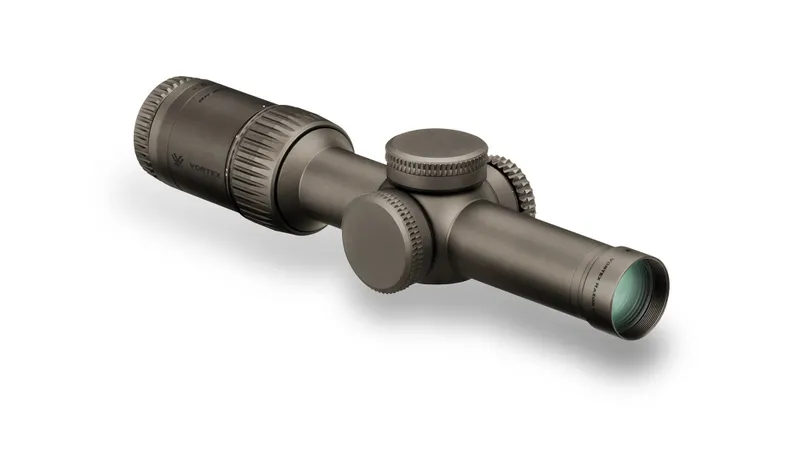
| Vortex Razor HD Gen II 1-6×24 | 21.5 oz | 3.7″ | Excellent | Excellent | $1,400 | Tactical/3-gun |
| Nightforce NX8 1-8×24 | 17 oz | 3.5″ | Excellent | Very Good | $1,900 | Precision/competition |
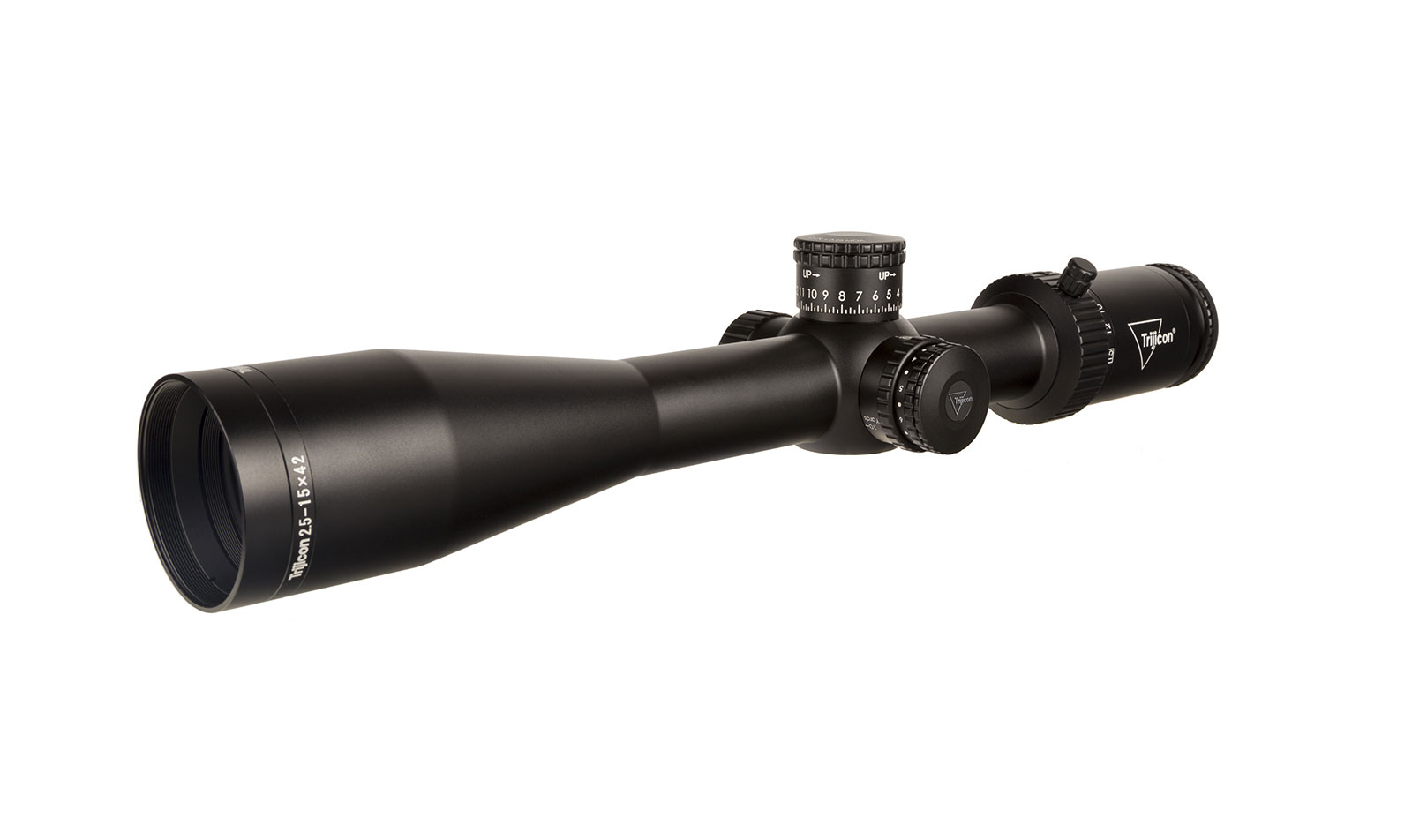
| Trijicon Credo HX 1-6×24 | 19.9 oz | 3.6-4.3″ | Very Good | Excellent | $1,100 | Budget tactical |
The Vortex Razor HD Gen II remains the standard against which other 1-6x scopes are measured, and it offers better illumination and more forgiving eye relief at a lower price point. However, the Leupold edges it out slightly in pure glass quality and comes in 5 ounces lighter. If you’re primarily hunting and occasionally running drills, the VX-6HD makes sense. If you’re competing or training regularly, the Razor’s feature set is more appropriate.
The Nightforce NX8 1-8×24 offers that extra magnification range and Nightforce’s legendary durability, but at a $300 premium and with even tighter eye relief. The Trijicon Credo HX delivers impressive value and excellent illumination, though the glass isn’t quite at Leupold’s level. For pure hunting applications where you’re not dialing turrets or needing bomb-proof tactical features, the VX-6HD represents a sweet spot of optical performance and weight.
Common Mistakes When Using This Scope
The biggest mistake I see with the Leupold VX-6HD 1-6×24 is mounting it too far forward on the rail in an attempt to maximize eye relief. With only 3.7 inches to work with, shooters sometimes push the scope forward, which actually makes the eye box less forgiving and creates shadowing at 1x. Mount it where you get a full sight picture at 6x with proper cheek weld, and the 1x will work fine – you just need consistent head position. This scope rewards good fundamentals and punishes sloppy technique more than some competitors.
Another common error is trying to use the VX-6HD as a tactical optic with frequent turret adjustments. The capped turrets and lack of zero stop make this impractical. If you find yourself wanting to dial for different distances regularly, you’re using the wrong tool. This scope is designed for hunters who zero at 200 yards and hold over using the reticle or who take most shots inside 250 yards at point of aim. Additionally, don’t expect the illumination to perform like a red dot – it’s supplemental aiming assistance, not a primary sighting system. Keep your illumination at moderate settings for best dot definition, and remember that in bright sunlight, the black reticle works fine without any illumination at all.
The Leupold VX-6HD 1-6×24 is an optic that prioritizes optical performance and hunting-specific features over tactical bells and whistles. If you’re a hunter who needs versatility across shot distances from 25 to 300 yards, values glass quality for game identification in marginal light, and doesn’t need to dial turrets regularly, this scope delivers genuinely excellent performance. The weight is reasonable, the glass punches above its price point, and Leupold’s warranty and customer service provide peace of mind. It’s proven reliable through varied conditions and maintains zero under recoil that would rattle lesser optics.
That said, this isn’t the right choice for everyone. Tactical shooters and competitors will find better-suited options in the Vortex Razor or even the Trijicon Credo line. The tighter eye relief and hunting-oriented feature set don’t serve fast shooting disciplines as well as dedicated tactical LPVOs. But for deer hunters running semi-autos, hog hunters needing quick follow-ups, or anyone wanting a do-most-things scope on a general-purpose rifle, the VX-6HD represents a smart investment. It’s not perfect, but it’s very good at what it’s designed to do – and sometimes that’s exactly what matters.