
The Zeiss Conquest V4 3-12×56 occupies an interesting position in the hunting riflescope market – it’s a European-built optic with serious low-light credentials that doesn’t carry the sticker shock of alpha-tier glass. After spending several months with this scope across mountain hunts in Colorado and range sessions in varying conditions, I’ve developed a clear picture of what it does exceptionally well and where it makes compromises. This isn’t a scope trying to be everything to everyone, and that focused design philosophy shows in both its strengths and limitations.
At first glance, the 56mm objective and 3-12x magnification range signal Zeiss’s intent: this is built for hunters who need maximum twilight performance and practical magnification for shots from timber edge to alpine bowls. The V4 line represents Zeiss’s attempt to deliver their optical reputation at a more accessible price point than the Victory series, and the 3-12×56 specifically targets the hunter who values glass quality and light transmission over tactical features or extreme magnification. Understanding what this scope prioritizes helps frame whether it’s the right tool for your specific needs.
Zeiss Conquest V4 3-12×56: First Impressions
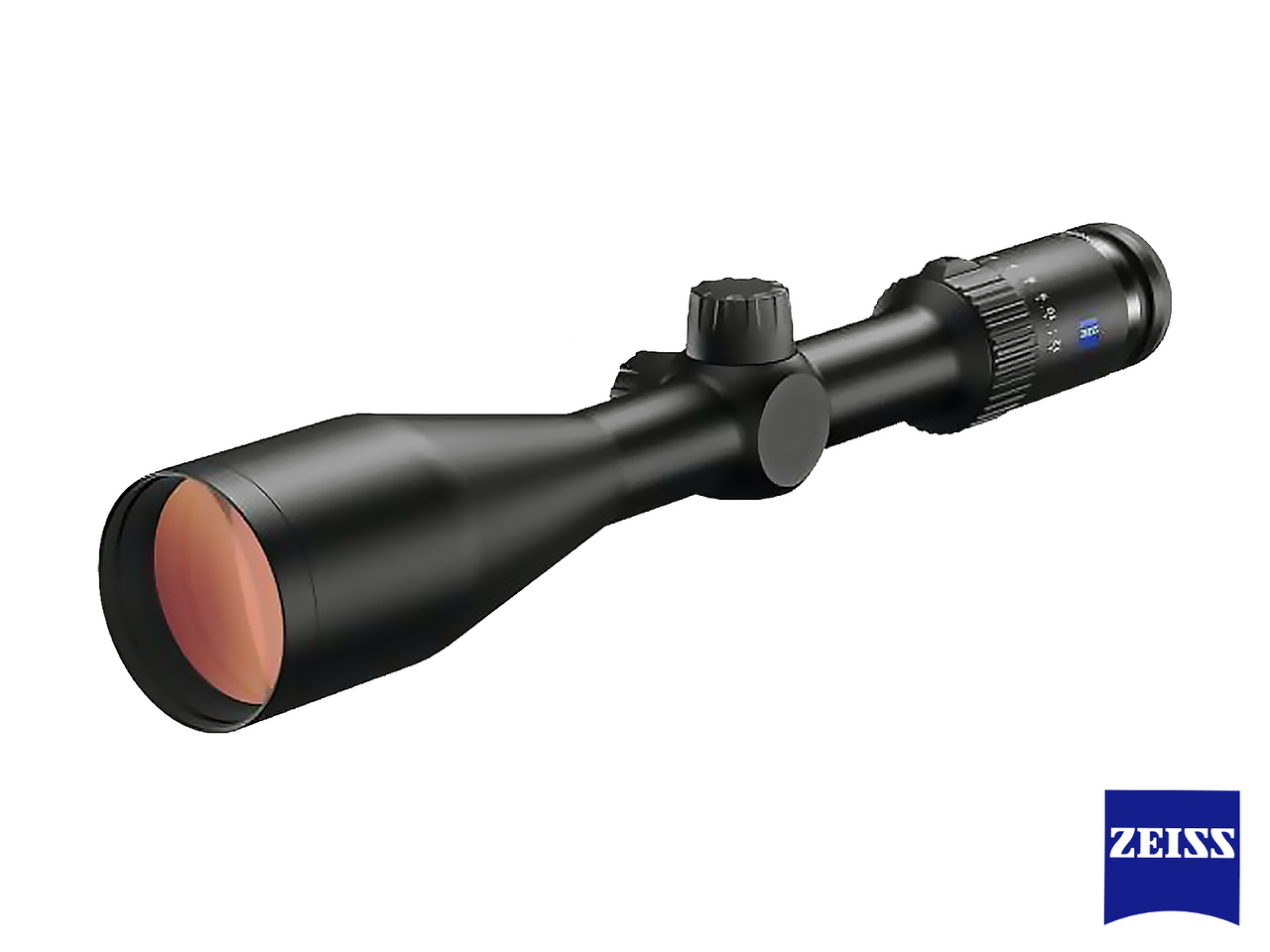
Out of the box, the V4 3-12×56 feels substantial without crossing into burdensome territory. At 23.5 ounces, it’s noticeably heavier than smaller-objective scopes, but the weight feels purposeful rather than excessive – you’re carrying that 56mm lens for a reason. The scope measures 13.7 inches overall with a 30mm maintube, and the construction quality is immediately apparent. The anodizing is even and durable, the magnification ring turns with smooth, damped resistance, and the overall fit and finish reflects its German manufacturing. This isn’t a scope that feels like corners were cut to hit a price point.
The eyepiece design is generous, with a fast-focus diopter that locks securely once adjusted. Eye relief sits around 3.5 inches across the magnification range, which is adequate but not exceptional – shooters with heavy-recoiling rifles might wish for another half-inch. The ocular housing is slightly larger than some competitors, which some shooters find easier to acquire quickly in field positions. Mounting the scope is straightforward with standard 30mm rings, though the 56mm objective does limit mounting flexibility on some rifles – you’ll want to verify clearance, especially on rifles with heavy barrels or those requiring lower mounting heights for proper eye alignment.
Optical Performance in Field Conditions
This is where the V4 3-12×56 justifies its design priorities. The glass clarity is genuinely excellent, delivering edge-to-edge sharpness that rivals scopes costing considerably more. Color rendition is neutral and accurate without the warm cast some European optics exhibit, making target identification natural and fatigue-free during extended glassing sessions. Resolution is strong enough to distinguish fine detail at distance – I could clearly read wind indicators at 600 yards on 12x that appeared as vague movement through lesser glass. The image quality doesn’t have the almost three-dimensional “pop” of true alpha glass like the Zeiss Victory or Swarovski Z8i, but it’s noticeably cleaner and sharper than most scopes in its price bracket.
Low-light performance is where that 56mm objective earns its keep. During Colorado elk hunts in September, the usable shooting time extended a solid 15-20 minutes beyond what I could manage with 44mm scopes, and the difference was even more pronounced in heavy timber where available light drops quickly. The combination of large objective, quality glass, and Zeiss’s LotuTec coating delivers genuinely impressive twilight capability. In practical terms, this means identifying whether that shadow in the timber is a branch or an animal when it actually matters. That said, the scope isn’t magical – in true darkness it performs like any other scope, and the low-light advantage only matters during those critical dawn and dusk periods. If your hunting rarely extends into marginal light conditions, you’re carrying extra weight for capability you won’t use.
Turrets, Reticle, and Tracking Accuracy
The V4’s turrets represent a compromise between hunting simplicity and precision adjustment. The elevation turret offers 1/4 MOA clicks with a capped design – you can dial, but it requires removing the cap first. The clicks are tactile and audible with positive detents, though they’re not as crisp or defined as dedicated tactical scopes from Nightforce or Vortex’s Razor line. For hunting applications where you might dial for a longer shot, they’re perfectly functional. I ran a tracking test over multiple sessions, dialing through the full elevation range and returning to zero repeatedly. The scope tracked accurately with no measurable deviation – adjustments corresponded precisely to point-of-impact changes, and it returned to zero reliably every time.
The reticle options include several configurations, with the ZMOA-2 being the most versatile for general hunting. It’s a second focal plane design with a clean, uncluttered appearance – a fine crosshair with MOA-based subtensions that remain consistent across the magnification range when you’re using the reticle holdovers at maximum power. The illumination is daylight-bright when needed, with multiple intensity settings that work well in varying conditions. The reticle doesn’t wash out in bright snow or lose definition against dark backgrounds, which speaks to the overall optical quality. However, SFP reticles do limit holdover accuracy at magnifications other than 12x, so if you’re planning to use subtensions for wind or elevation holds at varying powers, you’ll need to do the math or stick with maximum magnification. For traditional crosshair aiming and dialing, it’s a non-issue.
Real-World Use: From Mountain Hunts to Range Work
On mountain hunts, the V4 3-12×56 proved its worth repeatedly. The low magnification range is genuinely useful – 3x is wide enough for quick target acquisition in timber or brush, while 12x provides sufficient magnification for positive identification and precise shot placement out to reasonable hunting distances. I took a bull elk at 340 yards in fading light where the combination of optical quality and light-gathering capability made the shot straightforward rather than marginal. The scope’s weight becomes noticeable on long pack-in hunts, but it’s not prohibitive – this isn’t a dedicated mountain rifle scope, but it’s manageable for hunters who prioritize optical performance over ounce-counting.
Range work revealed both the scope’s capabilities and its limitations. For precision shooting at known distances where you’re dialing elevation, it performs well – the tracking is reliable, the glass is clear enough to read mirage and see bullet trace, and the magnification range is adequate for targets to 600-700 yards. Beyond that, you start wishing for more power and a first focal plane reticle with finer subtensions. The scope feels most at home in the 100-400 yard range where most hunting and practical rifle work happens. It’s not optimized for competitive precision shooting or extreme long-range work, and trying to force it into that role highlights its hunting-first design priorities. If your shooting extends regularly beyond 600 yards or you need a scope that excels at both close-range speed and long-range precision, you’ll want something more specialized.
Competitive Landscape
| Scope | Weight | Price Range | Key Strengths | Notable Weaknesses |
|---|---|---|---|---|
| Zeiss Conquest V4 3-12×56 | 23.5 oz | $900-1,100 | Exceptional glass clarity, excellent low-light performance, reliable tracking | Heavy for mountain use, SFP limits reticle versatility, capped turrets |
| Leupold VX-5HD 3-15×56 | 23.1 oz | $900-1,000 | Similar light transmission, slightly more magnification, ZeroLock turret | Glass clarity slightly behind Zeiss, less crisp turrets |
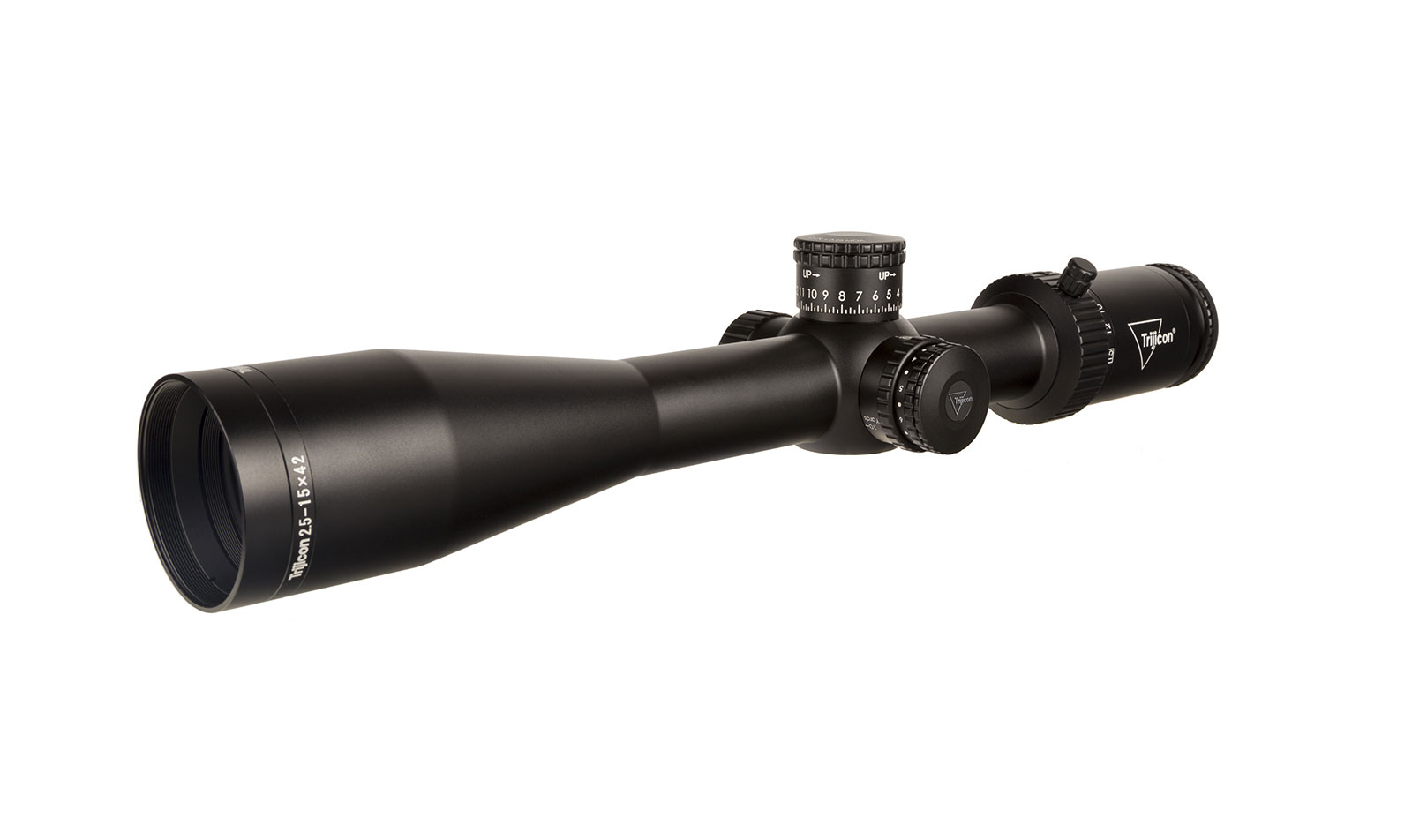
| Trijicon Credo HX 2.5-15×56 | 27.8 oz | $950-1,150 | FFP reticle option, exposed tactical turrets, excellent warranty | Noticeably heavier, glass not quite Zeiss level |
| Meopta Optika6 3-18×56 | 28.5 oz | $750-900 | More magnification range, good glass for price, FFP available | Heavier still, brand recognition lower, turrets less refined |
The Zeiss distinguishes itself primarily through optical quality – the glass is genuinely a step above the Leupold and noticeably clearer than the Meopta, though the differences narrow in good light. If you’re comparing purely on low-light capability, the Zeiss and Leupold are close enough that other factors (turret preference, reticle design, brand loyalty) should drive your decision. The Trijicon offers more tactical features if that’s your priority, but you’re carrying more weight and giving up some optical refinement.
Who This Scope Is For – And Who Should Look Elsewhere
The Zeiss Conquest V4 3-12×56 is ideal for hunters who prioritize optical quality and low-light performance in a practical magnification range. If you hunt deer, elk, or similar game in varied terrain where shots might range from 50 to 400 yards, and you frequently find yourself hunting during dawn or dusk, this scope delivers exactly what you need. It’s particularly well-suited to hunters who’ve used budget optics and want a meaningful upgrade in glass quality without jumping to $2,000+ scopes. The scope excels in the hands of a shooter who values being able to see clearly in marginal conditions more than having tactical turrets or maximum magnification.
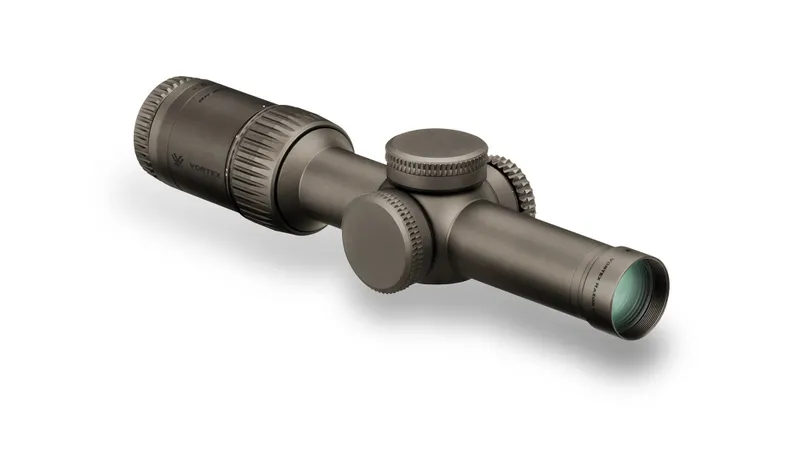
You should look elsewhere if weight is a primary concern for backcountry hunting – there are lighter scopes that sacrifice some low-light capability but save significant ounces. Long-range precision shooters will find the magnification range and second focal plane reticle limiting for their applications. If you need exposed tactical turrets for regular dialing or want a first focal plane reticle for holdover versatility at any magnification, scopes like the Trijicon Credo or Vortex Razor LHT better match those priorities. The V4 is also not the choice for driven hunts or dangerous game where you need absolute minimum magnification and bomb-proof simplicity – a fixed 4x or 1-6x variable would serve better.
The Zeiss Conquest V4 3-12×56 succeeds by knowing exactly what it is: a hunting-focused riflescope that prioritizes optical excellence and low-light capability over tactical features or extreme versatility. The glass quality punches above its price point, the low-light performance is genuinely impressive, and the mechanical reliability inspires confidence. It’s not the lightest option, the turrets aren’t designed for constant adjustment, and the second focal plane reticle has inherent limitations – but none of these are flaws if you understand the scope’s intended role. For hunters who spend time in the field during marginal light conditions and want to see their target clearly when it matters most, the V4 3-12×56 delivers tangible, field-proven performance. It’s a scope that does a specific job very well rather than attempting to be adequate at everything, and that focused design philosophy is exactly what makes it worth considering for the right shooter.