
First impressions & build quality
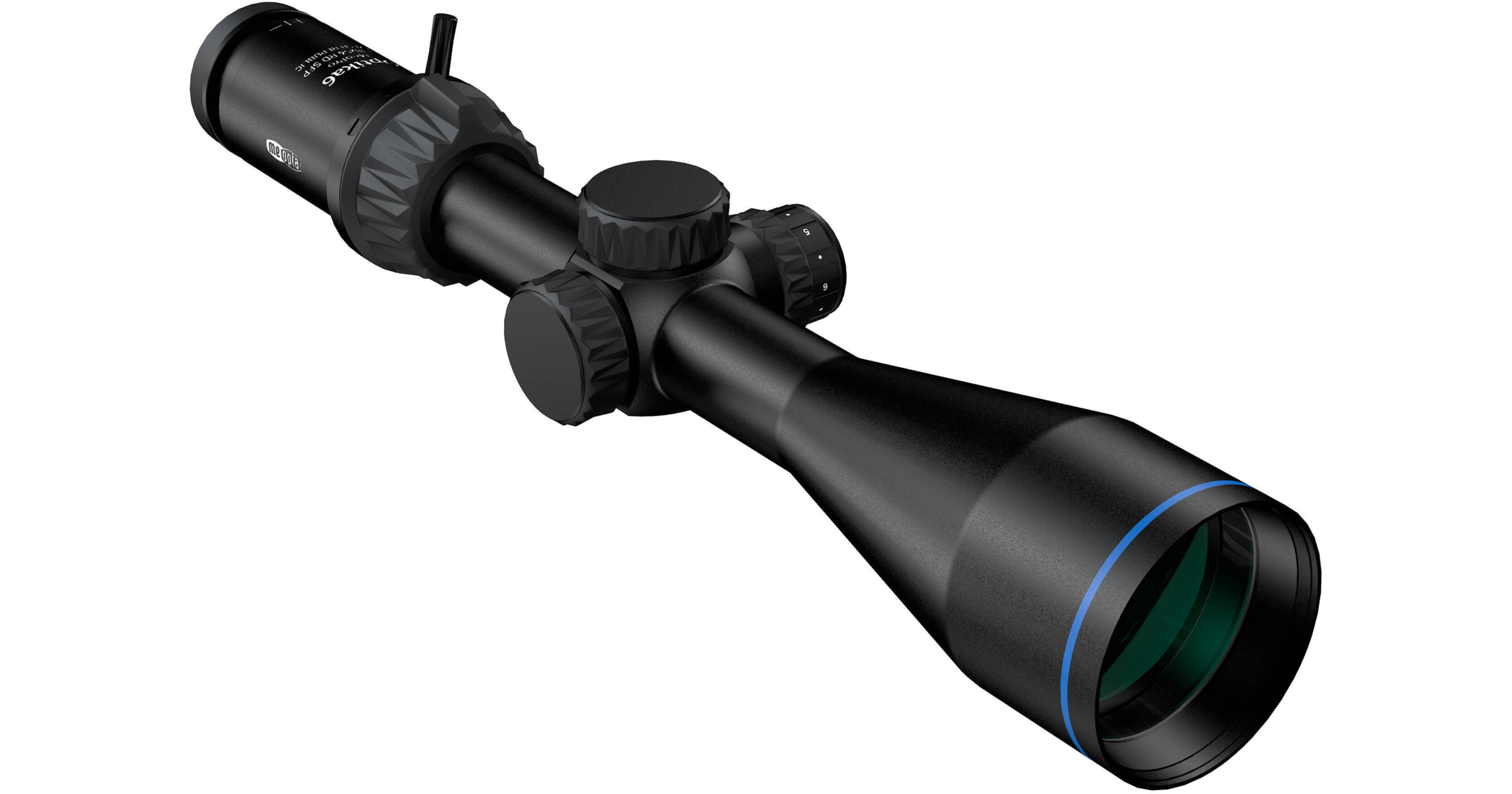
The Meopta Optika6 3-18×56 arrives with a solid, workmanlike presence that immediately sets expectations for serious field use rather than flashy marketing appeal. The tube is a traditional 30mm diameter, and at 28.3 ounces, this scope sits in the middle weight range – not featherlight for mountain stalking, but manageable for most hunting rifles. The anodizing is even and professional, with a matte finish that resists glare without feeling overly textured. The Meopta Optika6 3-18×56 features a fast-focus eyepiece that locks firmly once set, and the magnification ring turns with deliberate, controlled resistance – no slop, but also no excessive stiffness that would slow target acquisition under pressure.
Build quality reflects Meopta’s Czech manufacturing heritage, with tight tolerances and no rattles or play in any component. The turrets are capped elevation with an exposed, locking windage adjustment – a configuration that makes sense for hunters who dial occasionally but don’t want accidental shifts during transport. The side parallax adjustment operates smoothly from 25 yards to infinity, clearly marked and easy to manipulate with gloves. The scope ships with flip-up lens covers and a sunshade, both functional rather than premium. Overall, this feels like a tool designed by people who actually hunt, prioritizing durability and field reliability over aesthetic refinement.
Optical performance in varied conditions
Glass clarity in the Meopta Optika6 3-18×56 is where this scope earns its keep. Edge-to-edge sharpness is excellent through the mid-magnification range, with only minor softness appearing at the periphery when cranked to 18x – entirely acceptable for a scope at this price point. Color rendition leans slightly warm, which many hunters prefer for picking out game against varied terrain. Resolution is genuinely impressive when comparing details at distance; you can reliably identify antler points or assess trophy quality at ranges where cheaper glass turns muddy.
Low-light performance is a standout feature, as the 56mm objective paired with Meopta’s MeoBright ion-assisted lens coatings delivers usable brightness well into legal shooting hours. Testing during dawn and dusk conditions showed the scope maintaining contrast and detail when competing optics in the $1,000-$1,500 range were already struggling. Light transmission feels comparable to scopes costing several hundred dollars more. In variable weather – rain, fog, and snow – the coatings shed moisture effectively, though not quite to the hydrophobic level of top-tier German glass. Glare control is solid in direct sunlight, with minimal flaring even when shooting into sun angles that would compromise lesser optics.
Turrets & reticle functionality
The Meopta Optika6 3-18×56 uses a capped elevation turret with 1/4 MOA clicks that are tactile and audible without being overly loud. Each revolution provides 15 MOA of adjustment, with a total elevation travel of 60 MOA – adequate for most hunting applications out to 600-700 yards depending on caliber. The turrets track reliably in box tests, returning to zero consistently after multiple adjustments. However, the turret design isn’t optimized for frequent dialing; the caps require two hands to remove and replace, and there’s no zero-stop feature. This scope is clearly intended for hunters who set a zero and hold for wind, occasionally dialing for known-distance shots rather than tactical-style shooting.
The reticle options include several first focal plane designs, with the RD (Rapid Dot) and Z-Plex variants being most popular among hunters. The RD reticle features a fine center crosshair with illuminated center dot and holdover marks calibrated in MOA or MRAD depending on model selection. Illumination has 11 brightness settings controlled by a side turret, with daylight-visible settings that don’t wash out and low settings dim enough for night use without destroying your dark adaptation. Because it’s first focal plane, the reticle scales with magnification – useful for precise holdovers at any power, but the fine crosshair becomes almost invisible at 3x in low light. Hunters who primarily shoot at lower magnifications might find this frustrating; a second focal plane option would serve many users better.
Real-world use across hunting scenarios
In mountain hunting situations where weight matters, the Meopta Optika6 3-18×56 feels slightly heavy compared to compact alternatives, but the optical performance justifies the extra ounces when shots extend past 300 yards. The 3x low end provides adequate field of view for locating game in broken terrain, though it’s not quite as forgiving for quick target acquisition as a true 2.5x or 2x bottom end. The scope excels in western hunting scenarios – pronghorn, mule deer, and elk – where you’re glassing and shooting across varied distances. The clarity at 12-15x makes it easy to judge animals before committing to a stalk, and the magnification range handles everything from timber shots at 100 yards to open-country opportunities at 500-plus.
For driven hunts or thick-cover whitetail hunting, this scope is overkill in both magnification and size. The 56mm objective sits high on most rifles, requiring taller rings that can feel awkward for instinctive shooting. The scope truly shines in precision hunting applications – prairie dog towns, long-range varminting, or any scenario where you’re shooting from stable positions with time to range, dial, and execute. The glass quality rewards careful shooting, and the generous eye relief (3.7 inches) accommodates magnum recoil without scope bite. After extensive field use, the Meopta Optika6 3-18×56 proves most valuable for deliberate, long-range hunting rather than fast-moving or close-quarters work.
How it compares to direct competitors
| Feature | Meopta Optika6 3-18×56 | Vortex Razor HD LHT 3-15×50 | Leupold VX-5HD 3-15×56 | Athlon Ares ETR 3-18×50 |
|---|---|---|---|---|
| Weight | 28.3 oz | 21.6 oz | 25.4 oz | 30.9 oz |
| Elevation travel | 60 MOA | 80 MOA | 75 MOA | 100 MOA |
| Turret style | Capped | Capped | Capped/exposed option | Exposed, zero-stop |
| Glass quality | Excellent | Excellent | Excellent | Very good |
| Street price | ~$1,300 | ~$1,400 | ~$1,200 | ~$900 |
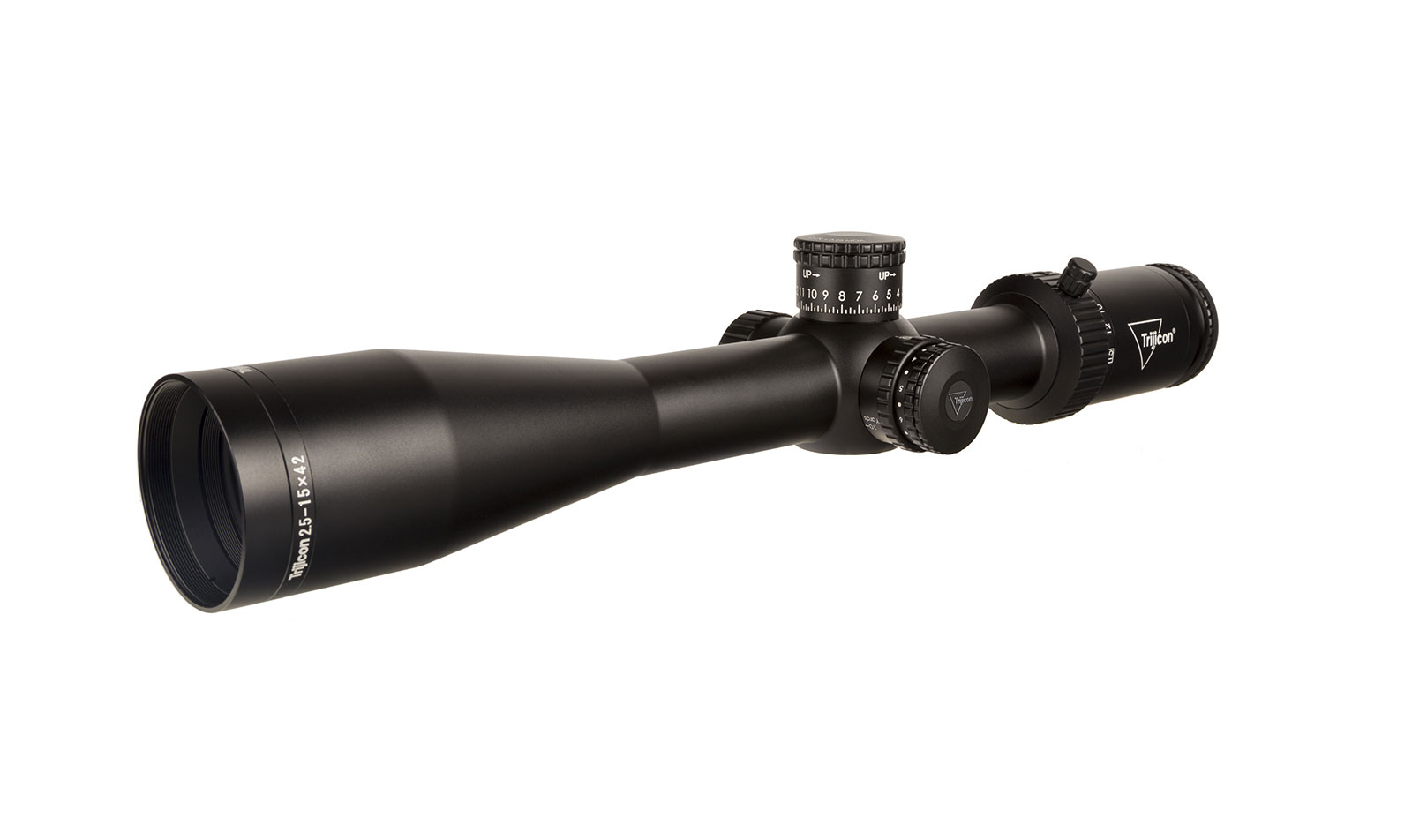
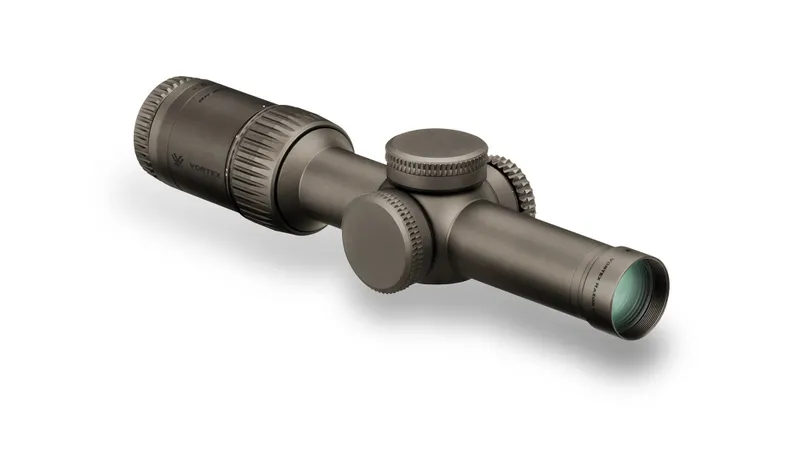
Against the Vortex Razor HD LHT 3-15×50, the Meopta offers slightly better low-light performance due to the larger objective, but the Vortex is significantly lighter and better suited for backcountry hunting where every ounce matters. Glass quality is comparable between the two, with the Vortex edging ahead slightly in edge sharpness. The Leupold VX-5HD 3-15×56 is the closest direct competitor – similar objective size, comparable weight, and nearly identical optical performance. The Leupold offers more versatile turret options and a more refined reticle selection, but the Meopta typically costs $100 more and delivers marginally better contrast in low light.
The Athlon Ares ETR 3-18×50 represents the budget-conscious alternative, offering tactical-style exposed turrets with zero-stop and exceptional elevation travel for the price. However, the Athlon’s glass doesn’t match the Meopta’s clarity or color fidelity, and it’s noticeably heavier. For pure hunting applications where optical quality matters more than tactical features, the Meopta justifies its higher cost. The Optika6 3-18×56 sits in an interesting middle ground – better glass than budget tactical scopes, more affordable than premium European hunting optics, but lacking the feature refinement of similarly-priced American brands that have optimized for specific hunting niches.
Common mistakes when using this scope
The most frequent error with the Meopta Optika6 3-18×56 is mounting it too low, attempting to maintain a traditional cheek weld height. The 56mm objective requires higher rings – typically medium or medium-high depending on barrel diameter and action style – and failing to accommodate this results in scope-to-barrel clearance issues or an awkward head position. Test your setup with snap caps before heading to the range, ensuring the bolt can cycle freely and you can comfortably acquire the sight picture without straining your neck. Many shooters also overlook the importance of proper eye relief adjustment; with 3.7 inches available, take time to position the scope correctly in the rings to maximize the forgiving eye box.
Another common mistake involves misunderstanding the first focal plane reticle behavior. Hunters accustomed to second focal plane scopes often struggle with the Optika6’s reticle appearing too fine at low magnification in poor light. If you hunt primarily at dawn and dusk in timber, turn the illumination on and set it to an appropriate level before you need it – waiting until a shooting opportunity appears wastes critical seconds. Similarly, shooters sometimes fail to verify their turret tracking before hunting season, assuming factory specs guarantee field performance. Always conduct a tall-target or box test after mounting to confirm your specific scope tracks true, and re-verify zero after any hard impacts during transport. The Meopta is reliable, but no scope is immune to the physics of being dropped or knocked around in a truck bed.