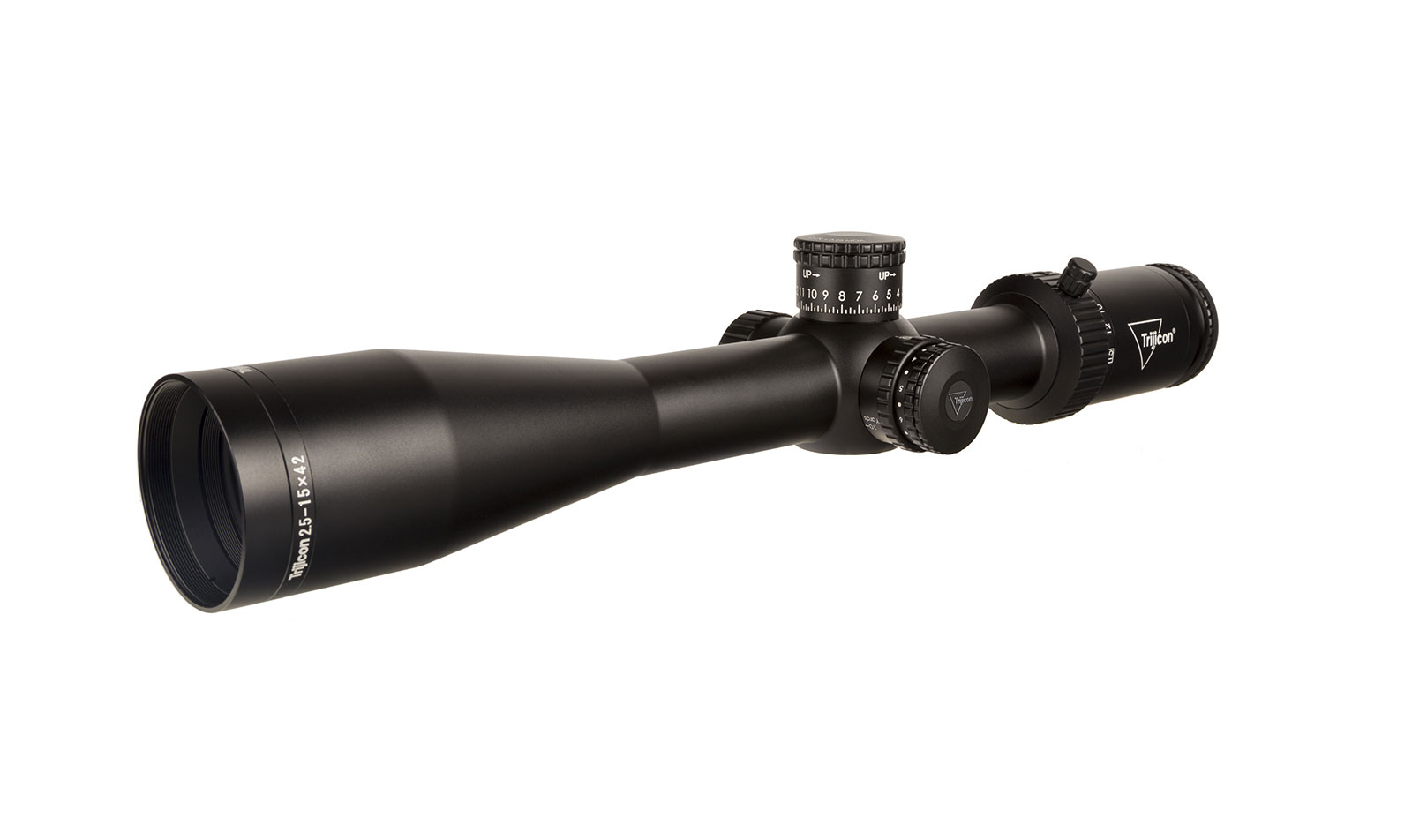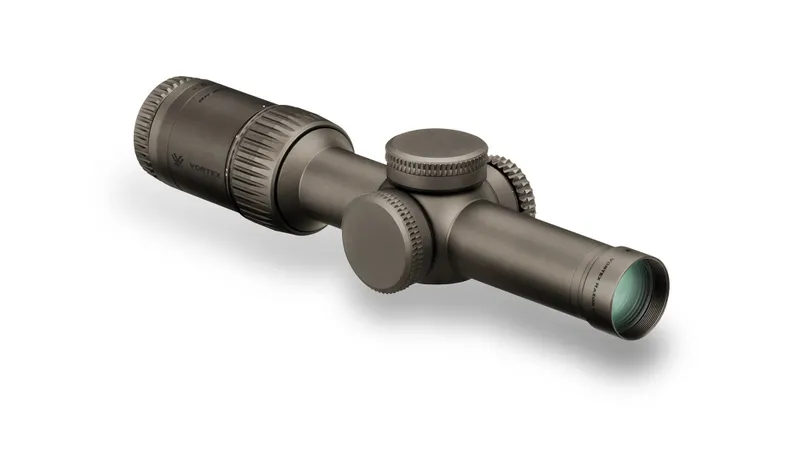

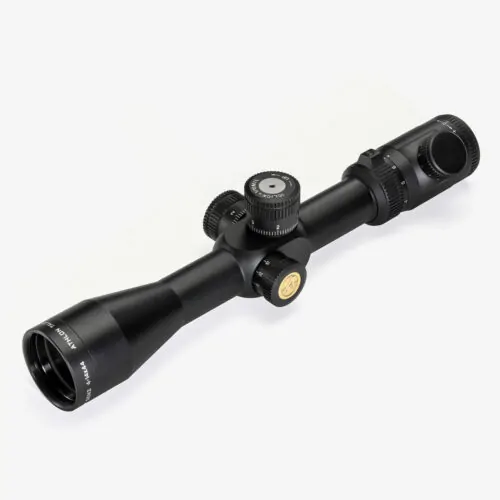
The Athlon Argos BTR Gen 2 4-14×44 sits in that challenging middle ground where shooters demand serious performance without crossing into premium-tier pricing. After several months of field use across varied environments – from predawn deer stands to prairie dog work at extended ranges – this scope reveals itself as a competent, if occasionally compromised, optic that prioritizes mechanical function over absolute optical excellence. It’s a tool designed for shooters who need reliable tracking and useful magnification range more than they need alpha-grade glass.
Understanding where this scope succeeds and where it shows its price point is essential for making an informed decision. At roughly $400 street price, the Argos BTR Gen 2 competes directly with offerings from Vortex, Burris, and the lower-tier Primary Arms scopes. The question isn’t whether it’s perfect – it isn’t – but whether its specific combination of features aligns with your shooting priorities and budget realities.
First Impressions & Build Quality Overview
Unboxing the Argos BTR Gen 2, you immediately notice the weight – this is a substantial optic at 22.9 ounces, which feels closer to scopes a price class above. The 30mm main tube is properly machined with clean lines, and the anodizing appears uniform without the mottled appearance that plagues some budget offerings. The turrets have a businesslike appearance with clear markings, though the exposed design means you’ll want to be mindful of debris in dusty or wet conditions. The side parallax adjustment turns with appropriate resistance, indexed clearly from 10 yards to infinity.
Build quality is where Athlon has clearly focused their engineering budget. The scope survived multiple range sessions in freezing rain, a tumble from a truck tailgate onto gravel, and consistent recoil from a 300 Win Mag without losing zero or developing any play in the turrets. The eyepiece diopter locks firmly once adjusted, and the magnification ring – while slightly stiff out of the box – smoothed out after a few weeks of use. The flip-up lens covers included are functional but cheap-feeling; I replaced them within the first month. The overall impression is of a scope built to withstand field use, though you won’t mistake it for a premium European optic when handling it.
Optical Performance in Field Conditions
The optical performance of the Argos BTR Gen 2 tells the story of careful compromises. In good light conditions – bright overcast or full sun – the image is sharp center-frame with acceptable edge clarity through about 80% of the field of view. Colors render naturally without the warm cast some budget scopes exhibit, and resolution is sufficient for identifying vitals on game animals out to 400 yards without strain. The ED glass does its job controlling chromatic aberration reasonably well; you’ll see some purple fringing on high-contrast edges at maximum magnification, but it’s not intrusive during actual shooting.
Low-light performance is where this scope shows its price point most clearly. During the last 20 minutes of legal shooting light – the critical window for whitetail hunters – the image noticeably dims compared to scopes with better glass and coatings. I tested it side-by-side with a Leupold VX-3HD 4.5-14×40, and the Leupold delivered a visibly brighter, clearer image in twilight conditions. The Argos remains usable, but you’re giving up perhaps 5-10 minutes of effective shooting time at dawn and dusk. The 44mm objective simply can’t overcome the limitations of the coating package at this price. For prairie dog shooting or range work where lighting isn’t critical, this doesn’t matter. For serious deer or hog hunting in timber, it’s worth considering.
Turrets, Tracking & Reticle Functionality
The turrets on the Argos BTR Gen 2 are the scope’s strongest feature and the reason it carries the “BTR” (Ballistic Tactical Range) designation. Each click delivers a tactile, audible 0.25 MOA adjustment with consistent spacing – I’ve tracked these turrets through multiple box tests and tall target tests, and they’ve returned to zero reliably every time. The elevation turret offers 80 MOA of total travel with 20 MOA per revolution, which is sufficient for most practical shooting scenarios out to 800-900 yards depending on your cartridge. The zero-stop function is tool-less and works as advertised, though it requires a few extra seconds to set properly during initial zeroing.
The APMR3 FFP reticle in my test unit is well-designed for practical field use – the reticle is visible against varied backgrounds without being intrusive, and the hash marks are spaced logically for both holdovers and wind calls. Being first focal plane, the reticle scales with magnification, which means it’s quite fine at 4x and becomes more prominent at 14x. I found 8-10x to be the sweet spot where the reticle remained unobtrusive but provided enough detail for precise aiming. The illumination is daylight-visible on the higher settings, though I rarely used it; the reticle design works well without illumination in most conditions. One minor complaint: the turret caps are slightly loose and rattle if you shake the rifle aggressively, though they’ve never fallen off during field use.
Real-World Use: Hunting & Precision Shooting
I’ve used this scope primarily on a 6.5 Creedmoor precision rifle and briefly mounted it on a 308 hunting rifle for whitetail season. For precision shooting applications – steel targets from 100 to 600 yards – the Argos BTR Gen 2 performs admirably. The tracking reliability means your dope is consistent, and the reticle provides sufficient reference points for quick wind adjustments. I consistently hit 10-inch plates at 500 yards in moderate wind conditions, and the scope never felt like the limiting factor in my accuracy. The weight is noticeable on a lighter hunting rifle but feels appropriate on a dedicated precision platform where stability matters more than portability.
For hunting, the scope is acceptable but not ideal unless you’re hunting in open country with good light. The 4x low end provides adequate field of view for shots inside 100 yards, though you’ll need to be deliberate about eye positioning – the eyebox is unforgiving at 4x and improves as you zoom in. I took a whitetail doe at 240 yards in late-afternoon light, and the scope performed flawlessly for that application. However, I passed on a shot opportunity 30 minutes before dark because I couldn’t confidently resolve the shoulder on a buck at 180 yards through timber – a shot I would have taken with better glass. This scope is best suited for hunters who primarily shoot in daylight or who prioritize adjustability over low-light performance. Mountain hunters will also find the weight penalty significant on longer treks.
Competitive Comparison
| Feature | Athlon Argos BTR Gen 2 4-14×44 | Vortex Diamondback Tactical 4-16×44 | Burris Fullfield TAC30 3-9×40 | Primary Arms GLx 4-16×50 |
|---|---|---|---|---|
| Street Price | ~$400 | ~$450 | ~$380 | ~$480 |
| Weight | 22.9 oz | 24.5 oz | 19.2 oz | 26.1 oz |
| Turret Type | Exposed tactical | Exposed tactical | Capped hunting | Exposed tactical |
| Reticle | FFP APMR3 | FFP EBR-2C | SFP Ballistic Plex | FFP ACSS HUD-DMR |
| Low-Light | Fair | Fair | Good | Good |
| Tracking Reliability | Excellent | Very Good | Good | Very Good |
| Best Use | Precision/varmint | Precision/competition | Hunting/general | Precision/tactical |
The Vortex offers slightly more magnification and Vortex’s legendary warranty, but it’s heavier and optically similar. The Burris is lighter and better in low light but lacks the tactical turrets entirely. The Primary Arms costs more but delivers noticeably better glass and a more feature-rich reticle system. Your choice depends on whether you prioritize weight savings, optical quality, or mechanical features.
Who This Scope Is For – And Who Should Look Elsewhere
The Athlon Argos BTR Gen 2 4-14×44 makes the most sense for shooters who need reliable, repeatable adjustments for precision work at moderate ranges without spending $800-plus on optics. It’s ideal for dedicated varmint rifles, entry-level PRS competition, and target shooting where lighting conditions are controlled. Hunters who primarily shoot in open country during daylight hours will find it perfectly adequate, especially if they value the ability to dial elevation for longer shots. Budget-conscious shooters building a precision rifle on a tight budget will appreciate that the mechanical performance doesn’t compromise despite the price.
This scope is not the right choice for serious low-light hunters, anyone who prioritizes optical excellence over features, or shooters who need to minimize weight. If your primary hunting occurs in the first and last 30 minutes of daylight, spend the extra money on better glass – something like a Leupold VX-3HD or Trijicon Credo will serve you better. Similarly, if you’re building a lightweight mountain rifle, the 23-ounce weight penalty is significant. The Argos BTR Gen 2 succeeds by focusing on mechanical reliability and practical features while accepting optical compromises that won’t matter to many shooters but will be dealbreakers for some.
After extensive field testing, the Athlon Argos BTR Gen 2 4-14×44 earns a recommendation with clear caveats. It’s a mechanically sound scope that tracks reliably, offers useful features, and withstands field use without the premium price tag. The optical performance is adequate rather than impressive, and low-light capability lags behind both more expensive optics and some similarly-priced hunting scopes with simpler feature sets. If your shooting priorities align with what this scope does well – reliable adjustments, practical magnification range, and solid build quality – it represents fair value at $400. If you need better glass or lighter weight, your money is better spent elsewhere. This is a tool for deliberate shooters who understand their needs and recognize that not every scope must excel at everything. For precision shooting in good light and hunting applications where optical quality isn’t paramount, the Argos BTR Gen 2 does its job without fanfare or failure.