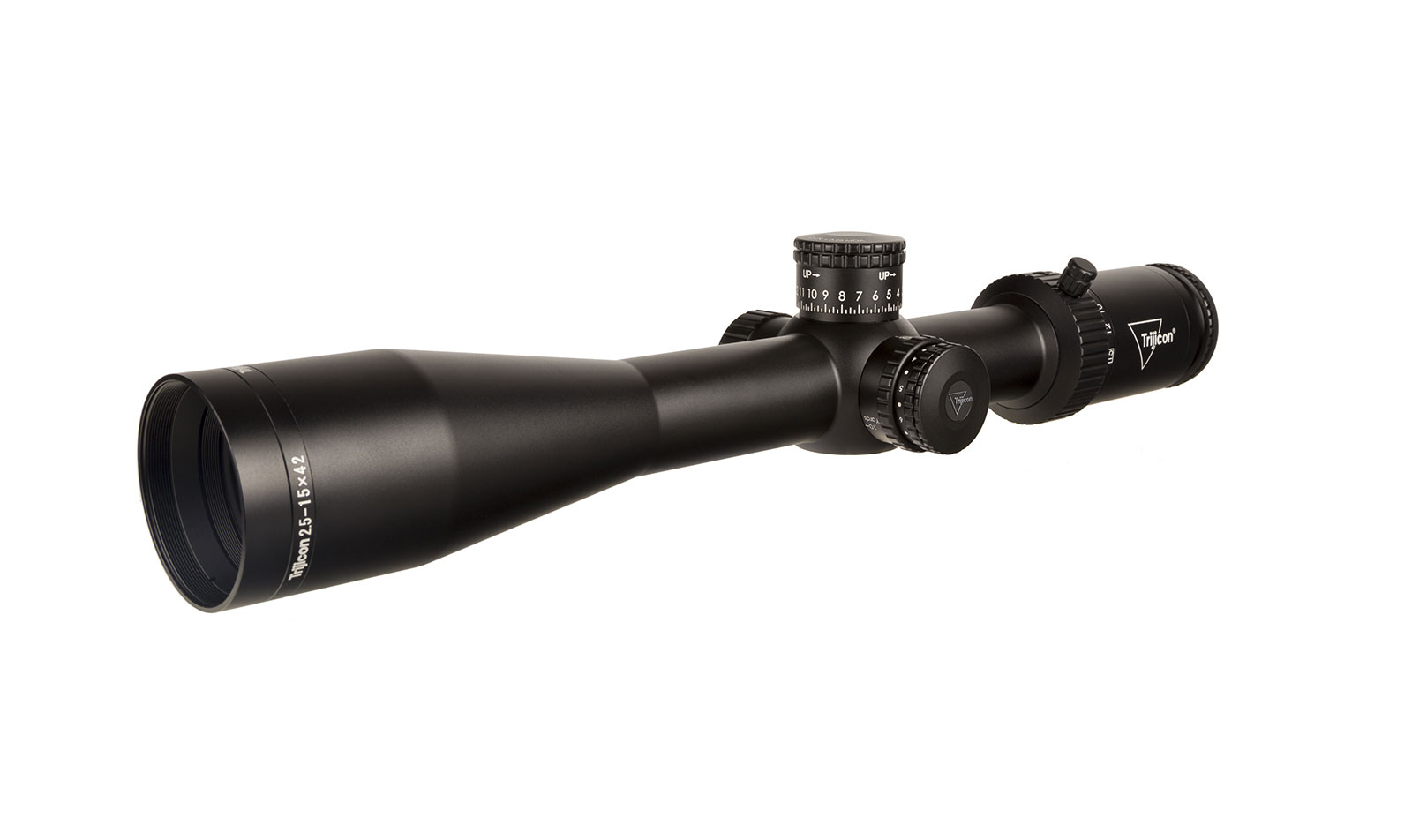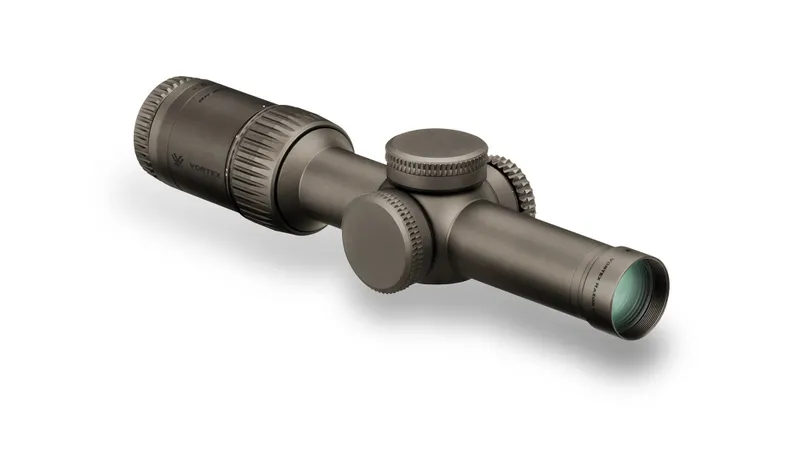

The Burris Fullfield TAC30 3-9×40 lands in an interesting middle ground – it’s a scope that tries to bridge traditional hunting aesthetics with tactical features, and the result is a package that feels pragmatic rather than premium. Out of the box, the Fullfield TAC30 3-9×40 presents a matte black finish that resists glare well enough, though the anodizing isn’t quite as refined as what you’d find on higher-tier optics. The tube diameter is a standard 1-inch, which keeps mounting options broad but also signals that this isn’t built for heavy recoil or extreme long-range work. Weight comes in at 15.9 ounces, making it light enough for a general-purpose hunting rifle without feeling flimsy.
Construction quality is solid but not exceptional. The turrets have a functional feel with decent tactile feedback, though there’s a slight mushiness compared to scopes in the next price bracket. The eyepiece focus ring turns smoothly, and the magnification ring operates with appropriate resistance – not too stiff, not too loose. The scope is nitrogen-purged and O-ring sealed, which should handle typical field conditions, though I wouldn’t subject it to prolonged submersion or extremely harsh environments. For the price point, Burris delivers a workmanlike build that should serve most shooters adequately, but don’t expect the refined machining or bombproof construction of a Nightforce or Schmidt & Bender.
Optical Performance in the Field
Glass clarity is where the Burris Fullfield TAC30 3-9×40 shows its budget-conscious design. In good lighting conditions, the optic delivers acceptable edge-to-edge sharpness with minimal chromatic aberration at the center of the image. Colors appear reasonably true, though there’s a slight coolness to the image that becomes more noticeable when comparing it side-by-side with higher-grade glass. Resolution is adequate for target identification out to 300-400 yards on deer-sized game, but fine details start to wash out beyond that range, especially at maximum magnification.
Low-light performance is the most significant limitation. As shooting hours extend into dawn and dusk – prime hunting time – the Burris struggles compared to competitors with better glass and coatings. Light transmission feels noticeably inferior to scopes like the Leupold VX-Freedom 3-9×40 or Vortex Diamondback HP 3-12×42. The last 20 minutes of legal shooting light reveal a dimmer, less contrasty image that makes target acquisition more difficult. Eye box is moderately forgiving at lower magnifications but tightens up considerably at 9x, requiring precise head placement. If you’re primarily shooting in good daylight conditions, the optical performance is serviceable. If low-light hunting is a regular part of your routine, this scope will leave you wanting.
Turrets & Reticle Functionality
The Burris Fullfield TAC30 3-9×40 ships with exposed tactical-style turrets featuring 1/4 MOA clicks. The adjustments are audible and tactile enough for basic use, though the clicks lack the crisp, mechanical precision you’d find on dedicated precision optics. Each turret offers 60 MOA of total adjustment, which provides adequate range for zeroing and moderate-distance shooting. The turrets aren’t zero-resettable, which is a notable omission for a scope marketed with “TAC” in the name – you’ll need to remember your zero position or mark it yourself. Turret caps are low-profile and stay secure, but they’re not tool-free, requiring a coin or screwdriver edge to remove.
The Ballistic CQ reticle is a second focal plane design with holdover marks calibrated for specific ballistics. It’s a simple, uncluttered reticle that works well for quick shooting at closer ranges, but it lacks the versatility of modern Christmas tree reticles or even mil-dot systems. The reticle subtensions only apply at maximum magnification, which limits its usefulness for quick ranging or holdovers at lower powers. For hunters who dial their turrets or stick to point-blank range shooting, it’s functional. For shooters wanting to use holdovers effectively across the magnification range, the second focal plane design and basic reticle layout will feel restrictive. Illumination is not offered, which is fine for a hunting scope at this price point.
Real-World Use and Field Testing
I mounted the Burris Fullfield TAC30 3-9×40 on a .308 Winchester hunting rifle and put it through several range sessions and two hunting trips over a four-month period. Zeroing at 100 yards was straightforward, and the scope held zero reliably through approximately 150 rounds of standard hunting ammunition. Tracking tested reasonably well in a box test, with minimal deviation over 10 MOA squares – acceptable for a hunting scope, though not precise enough for competitive shooting. The scope survived typical hunting abuse including vehicle transport, moderate rain, and temperature swings from 25 to 70 degrees Fahrenheit without fogging or losing zero.
In actual hunting situations, the Burris proved adequate but not inspiring. On a whitetail hunt in mixed hardwoods, the scope performed well enough during midday shooting, delivering a clean one-shot kill at 175 yards. However, during an evening sit where deer appeared 30 minutes before dark, the dimmer image made target identification frustratingly difficult compared to my hunting partner’s Leupold VX-3HD 3.5-10×40. The lightweight design was appreciated during long walks to stand locations, and the simple reticle didn’t clutter the field of view when tracking moving game. For casual hunters taking shots inside 250 yards during reasonable light, this scope will get the job done. For serious hunters who demand optical performance across all conditions, the limitations become apparent quickly.
How It Comparesto Competitors
When stacked against direct competitors in the $200-$300 price range, the Burris Fullfield TAC30 3-9×40 occupies a middle position. The Vortex Diamondback 3-9×40 offers similar optical performance with Vortex’s superior warranty and slightly better low-light capability. The Leupold VX-Freedom 3-9×40 delivers noticeably better glass quality and light transmission, though it costs $50-$75 more depending on retailer. The Nikon Prostaff (when still available) provided comparable performance at a similar price point, though Nikon’s exit from the riflescope market makes that comparison academic.
| Feature | Burris Fullfield TAC30 3-9×40 | Leupold VX-Freedom 3-9×40 | Vortex Diamondback 3-9×40 |
|---|---|---|---|
| Weight | 15.9 oz | 12.6 oz | 15.4 oz |
| Tube Diameter | 1 inch | 1 inch | 1 inch |
| Eye Relief | 3.1-3.8 inches | 3.6-4.2 inches | 3.3-3.9 inches |
| Low-Light Performance | Fair | Good | Fair-Good |
| Turret Style | Exposed tactical | Capped hunting | Capped hunting |
| Price Range | $200-$250 | $250-$325 | $180-$230 |
The Burris differentiates itself primarily through the exposed tactical turrets, which appeal to shooters who want to dial elevation without removing caps. However, the lack of zero-reset functionality undermines this advantage. For pure hunting applications where turrets rarely get adjusted, the Leupold VX-Freedom offers better overall value through superior optics. For budget-conscious shooters who prioritize warranty coverage, the Vortex provides comparable performance with their unlimited lifetime warranty. The Burris makes sense primarily for shooters who specifically want exposed turrets at this price point and can accept the optical compromises.
Common Mistakes When Using This Scope
The most frequent error with the Burris Fullfield TAC30 3-9×40 is expecting tactical-level tracking precision from a hunting-grade scope. Shooters see “TAC” in the name and exposed turrets, then attempt to use it for precision long-range shooting or target competition. This scope lacks the mechanical precision and optical resolution for consistent hits beyond 400 yards, and the turrets don’t have the repeatability required for serious dialing work. If you’re planning to regularly dial elevation for shots beyond 300 yards, you need to move up to a scope with better internals and verifiable tracking like the Vortex Viper PST or SWFA SS.
Another common mistake is failing to properly manage expectations around low-light performance. Hunters often choose this scope based on magnification range and price, then find themselves disappointed during prime dawn and dusk hunting hours. If your hunting style regularly involves shooting in marginal light – which describes most serious deer hunters – the Burris will handicap you compared to scopes with better glass and coatings. Additionally, shooters sometimes fail to account for the second focal plane reticle limitations, attempting to use holdovers at mid-range magnifications where the subtensions no longer correspond to the calibrated values. The Ballistic CQ reticle only provides accurate holdover information at 9x magnification, so using it at 5x or 6x will result in incorrect point-of-impact predictions. For this scope to work as intended, stick to dialing turrets for longer shots or memorize your holds at maximum magnification only.