
Zeiss V4 4-16×44
First Impressions & Build Quality
The Zeiss V4 4-16×44 arrives in a packaging that reflects its mid-tier positioning – functional but not extravagant. Upon handling, the scope immediately communicates solid German engineering through its machined aluminum construction and matte finish that resists glare without feeling delicate. The Zeiss V4 4-16×44 weighs in at 17.6 ounces, which places it in a comfortable middle ground for hunters who need magnification range without the burden of excessive weight during mountain stalks or extended carries. The 30mm main tube provides adequate internal adjustment range, and the scope’s overall dimensions suggest Zeiss prioritized practical field use over showroom aesthetics.
Build quality inspection reveals tight tolerances and no play in the turrets or magnification ring. The anodizing appears durable enough for rough handling, though it’s not quite the fortress-grade finish you’d find on higher-end European optics. The eyepiece threads smoothly for diopter adjustment, and the fast-focus mechanism locks securely once set. The scope includes a throw lever for magnification changes, which is a welcome inclusion at this price point. One minor concern is the turret caps – they’re functional but feel slightly less refined than the rest of the construction, with a plastic quality that contrasts with the otherwise robust impression.
Optical Performance in Field Conditions
Glass clarity in the Zeiss V4 4-16×44 demonstrates why the brand maintains its reputation for optical excellence. Edge-to-edge sharpness is impressive throughout the magnification range, with minimal chromatic aberration even when glassing against bright skies or snow. The 44mm objective gathers sufficient light for dawn and dusk hunting, though it won’t match larger objectives in the final minutes of legal shooting light. Color rendition is neutral and accurate, which aids in judging animal condition and distance estimation in varied terrain. At 16x magnification, heat mirage becomes visible on warm days, but image quality remains usable for precise shot placement out to 400-500 yards.
Low-light performance is competent rather than exceptional. During field testing in alpine conditions at last light, the Zeiss V4 4-16×44 provided clear images for approximately 20-25 minutes after sunset, depending on cloud cover and terrain contrast. This places it slightly behind premium scopes with larger objectives or superior lens coatings, but ahead of budget offerings in the same magnification class. The scope’s resolution holds up well in flat light conditions common in forests or overcast days. One notable strength is the lack of internal reflections or flare when shooting into or away from the sun – the Zeiss T* coating proves its worth here, maintaining contrast when cheaper optics wash out.
Turrets & Reticle Functionality
The Zeiss V4 4-16×44 ships with either a ballistic reticle or the ZMOA-1 reticle, depending on configuration. The ZMOA-1 provides a clean MOA-based holdover system with hash marks that don’t clutter the field of view at lower magnifications. Reticle illumination offers 10 brightness settings, with the middle settings being most useful for practical hunting situations. The illumination module is side-mounted and easily accessible, though the battery compartment requires a coin for access – not ideal for field battery changes in cold weather with gloves on. The reticle remains visible without illumination in most conditions, which is essential for reliability.
Turret performance is where the Zeiss V4 4-16×44 shows its hunting pedigree rather than tactical precision roots. The elevation turret provides 1/4 MOA clicks that are tactile and audible, though not as crisp or defined as those found on dedicated long-range scopes. The capped windage turret is appropriate for hunters who zero and forget, though dialing for wind is possible if needed. Tracking accuracy tested at 100 yards showed consistent returns to zero over multiple adjustment cycles, with no noticeable wandering. The ballistic turret option allows for quick range adjustments, but requires proper velocity input and environmental consideration. One limitation is the total elevation adjustment of approximately 65 MOA, which restricts extreme long-range applications but proves adequate for most hunting scenarios inside 600 yards.
Real-World Use Across Hunting Scenarios
During driven hunts and snap-shooting situations, the Zeiss V4 4-16×44 performs admirably at its lower magnification settings. The 4x bottom end provides sufficient field of view for acquiring moving game at close to moderate distances, though dedicated 1-6x or 1-8x scopes offer faster target acquisition in thick cover. The magnification throw lever enables quick adjustments between 4x for timber work and 12-16x for longer shots across clearings or agricultural fields. Eye relief measures a consistent 90mm across the magnification range, which accommodates various shooting positions and recoil from standard hunting calibers without scope bite. The eye box is forgiving enough for field shooting but tightens noticeably above 12x magnification.
Mountain hunting with the Zeiss V4 4-16×44 revealed both its strengths and limitations. The weight-to-performance ratio is excellent for steep terrain pursuits where ounces matter over multi-day hunts. Glassing for extended periods proved comfortable, with minimal eye fatigue compared to scopes with narrower eye boxes or inferior glass. The scope handled temperature swings from morning frost to midday sun without internal fogging or loss of zero. However, when compared to true alpine-specific optics, the 44mm objective becomes a limiting factor during those critical first and last light periods when animals are most active. For prairie or plains hunting where shots regularly exceed 300 yards, the 16x top end and clear optics make precise holdovers or dialing straightforward, though dedicated long-range scopes offer more granular adjustments.
How It Compares to Direct Competitors
| Scope | Weight | Elevation Travel | Low Light | Turret Type | Street Price |
|---|---|---|---|---|---|
| Zeiss V4 4-16×44 | 17.6 oz | ~65 MOA | Good | Capped/Ballistic | $700-800 |
| Leupold VX-5HD 3-15×44 | 16.7 oz | ~75 MOA | Very Good | CDS/Exposed | $800-900 |
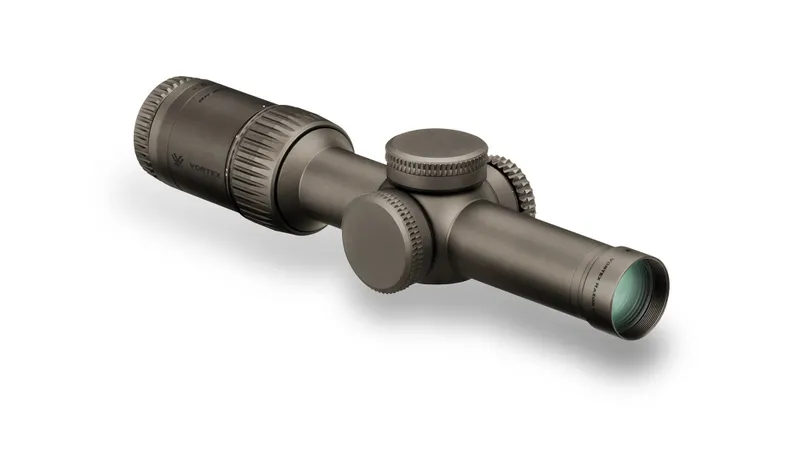
| Vortex Razor LHT 3-15×42 | 21 oz | ~80 MOA | Very Good | Exposed | $1,100-1,200 |
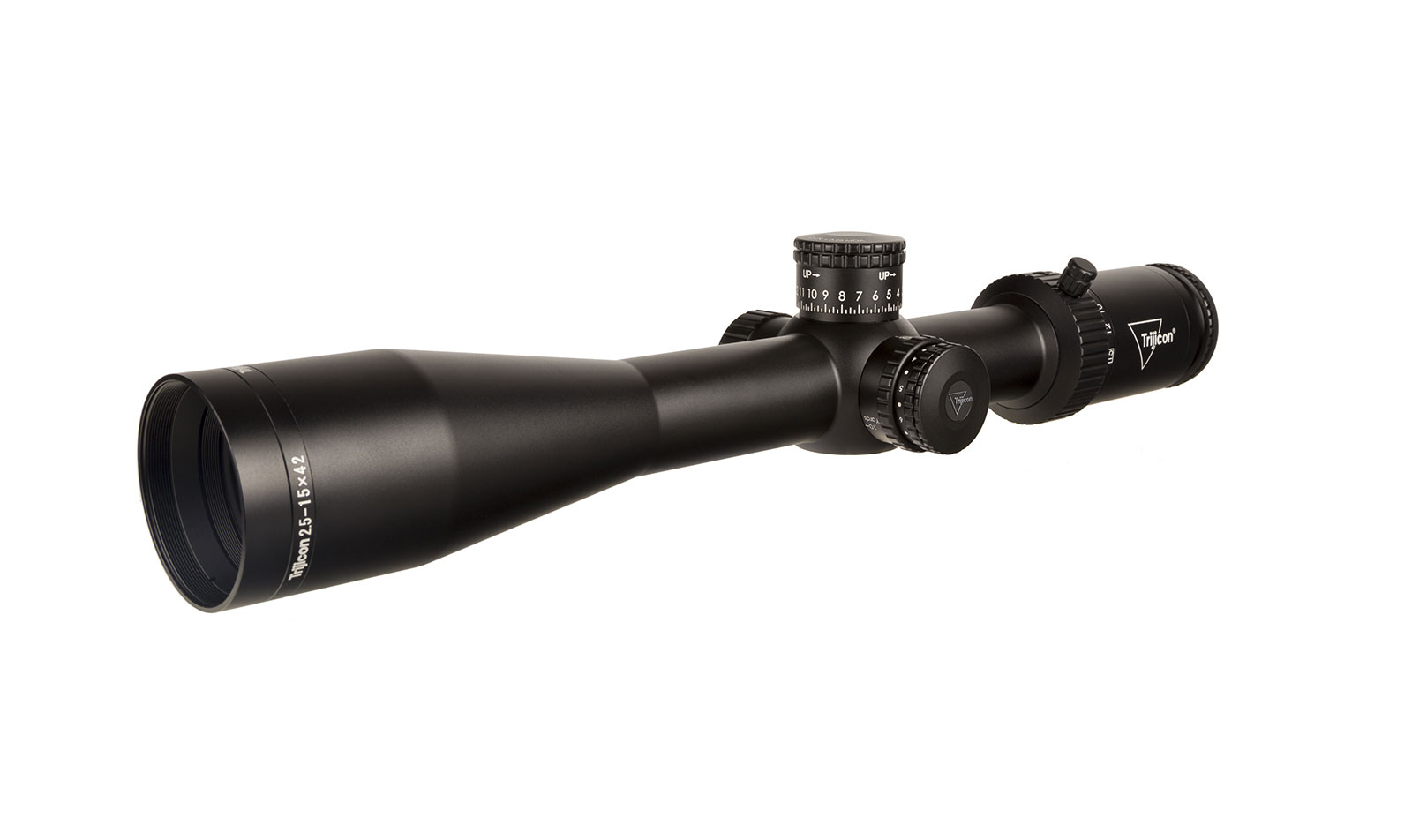
| Trijicon Credo HX 2.5-15×42 | 21.2 oz | ~80 MOA | Good | Exposed | $900-1,000 |
Against the Leupold VX-5HD 3-15×44, the Zeiss V4 4-16×44 offers slightly more top-end magnification and comparable optical quality at a marginally lower price point. The Leupold edges ahead in low-light performance and provides more elevation adjustment, making it preferable for shooters who regularly dial for distance. The VX-5HD’s wider magnification range (3x vs 4x bottom end) also gives it an advantage in close-quarters situations. Both scopes represent excellent value in the premium hunting category, with the choice often coming down to personal preference for reticle design and brand loyalty.
The Vortex Razor LHT 3-15×42 costs significantly more but delivers noticeably superior glass quality and a more refined turret system. If your budget allows and you prioritize optical excellence and precise adjustments, the Razor LHT justifies its premium. However, the Zeiss V4 4-16×44 offers 90% of the performance at 65% of the cost, making it the smarter choice for hunters who need excellent optics without the flagship price tag. The Trijicon Credo HX 2.5-15×42 sits between these options, offering rugged construction and good glass, but the Zeiss typically wins on pure optical clarity. For weight-conscious hunters, the Zeiss V4 4-16×44 presents the lightest option in this comparison while maintaining performance standards.
Common Mistakes When Using the Zeiss V4
Many users fail to properly set the diopter on the Zeiss V4 4-16×44, leading to complaints about focus issues that stem from user error rather than optical defects. The correct procedure requires setting magnification to maximum, focusing the eyepiece on the reticle (not the target) until the reticle appears sharp, then adjusting the parallax/side focus for target clarity. Skipping this initial setup results in eye strain and reduced optical performance throughout the magnification range. Additionally, some shooters over-tighten the scope rings, which can stress the tube and potentially affect tracking accuracy – proper torque specifications should be followed using a torque wrench.
Another frequent mistake involves expecting tactical-level turret performance from what is fundamentally a hunting scope. The Zeiss V4 4-16×44 tracks reliably for occasional dialing, but it’s not designed for constant adjustment across multiple shooting sessions like a Nightforce NXS or Schmidt & Bender. Hunters who attempt to use this scope for PRS-style competitions or frequent dialing applications will find the turrets adequate but not optimal. The scope excels when zeroed at a practical distance (200-250 yards for most calibers) and used with holdovers for most shots, reserving dialing for only the longest attempts. Failing to match the scope’s design intent to your shooting style leads to disappointment – this is a premium hunting optic that happens to have adjustable turrets, not a tactical scope marketed to hunters.