
Zeiss Conquest V4 3-12×44
First Impressions & Build Quality
The Zeiss Conquest V4 3-12×44 arrives with the understated confidence typical of German engineering – no flashy packaging, just a solid scope that feels substantial without crossing into heavy. At 17.5 ounces, it sits in that sweet spot where you notice the quality but won’t curse it on a long stalk. The tube is a true 30mm, and the machining shows no tooling marks or rough edges. The matte finish resists glare effectively, and the turret caps snap on with reassuring precision. This isn’t a scope that screams for attention, but pick it up next to similarly priced optics and the build quality difference becomes immediately apparent.
Zeiss chose an anodized aluminum construction that balances durability with weight savings. The eyepiece rotates smoothly for diopter adjustment, and the magnification ring has just enough resistance to prevent accidental changes while still allowing quick adjustments with gloves. The ocular lens housing is slightly larger than some competitors, which translates to a more forgiving eye box. The scope ships with flip-up lens covers that actually stay put – a small detail that matters in the field. Waterproofing is rated to 400 mbar pressure, and the nitrogen purging has held up through temperature swings from single digits to summer heat without internal fogging.
Optical Performance in the Field
The glass in the Zeiss Conquest V4 3-12×44 punches above its price point, which is exactly what you’d expect from a company with Zeiss’s optical heritage. Edge-to-edge clarity is excellent at all magnifications, with minimal chromatic aberration even when glassing against bright skies or snow. Color rendition leans slightly warm, which I find more natural for identifying game in varied terrain compared to the cooler tones of some Japanese glass. At 12x, you can count tines at 400 yards in good light, and the resolution holds up well enough to judge trophy quality without cranking to maximum magnification.
Low-light performance is where this scope separates itself from budget competitors. The 44mm objective combined with Zeiss’s T* multi-coating delivers usable light transmission well into the last 20 minutes of legal shooting light. I’ve used it during late-season deer hunts where legal light extends to near darkness, and the V4 3-12×44 consistently provided enough clarity to identify vitals when cheaper scopes were already showing muddy images. It won’t match alpha-tier glass from Schmidt & Bender or a Swarovski Z8i, but it comes closer than the price suggests. In harsh side-light conditions, the coatings control flare better than most scopes in this bracket.
Turrets & Reticle Functionality
The Zeiss V4 3-12×44 comes with capped turrets as standard, which tells you immediately what Zeiss designed this scope for – hunting, not dialing. The clicks are positive with 1/4 MOA adjustments, and they track reliably in box tests. I’ve run it through multiple tracking evaluations, and return to zero has been consistent across several hundred rounds. The turrets aren’t designed for rapid adjustments under time pressure – they’re meant to be set and forgotten after zeroing. If you need to dial for long-range shots regularly, you’ll want the 4-16×44 or 6-24×50 variants that offer exposed target turrets.
The reticle options include several configurations, with the #60 plex and the Rapid-Z variants being most common. I tested the Rapid-Z 600, which provides holdover references calibrated for common hunting cartridges. At lower magnifications, the reticle remains visible without dominating the field of view. The illumination, when equipped, offers 11 brightness settings with an off position between each – a practical feature that prevents you from cycling through all settings to turn it off. The illuminated dot is appropriately sized and doesn’t bloom excessively. My only criticism is that the reticle subtensions aren’t optimized for precise ranging at lower magnifications, but that’s not what this scope was built for.
Real-World Use Across Conditions
I mounted the Zeiss Conquest V4 3-12×44 on a .308 Winchester for a combination of whitetail hunting and range work over six months. On a driven hunt in mixed hardwoods, the 3x low end provided fast target acquisition on moving deer at under 50 yards, while the 12x top end was sufficient for confirming shot placement on a doe at 280 yards across a bean field. The scope handled recoil from the .308 without any shift in zero, and I later moved it to a 7mm Remington Magnum without issues. The eye relief of 3.5 inches remains consistent across the magnification range, which is critical when you need to get on target quickly.
Weather testing included several hunts in persistent rain and one particularly miserable morning in sleet. The lens coatings shed water effectively, though not quite as well as Leupold’s Guard-Ion or Leica’s Aqua-Dura. A few swipes with a microfiber kept the view clear. Temperature changes from a heated truck to below-freezing stands produced no internal fogging. The magnification ring operated smoothly even with wet gloves, though the turret caps became slightly stiff in sub-20-degree temperatures. For mountain hunting, the weight is reasonable – noticeably lighter than comparably featured scopes from Nightforce, though heavier than a Leupold VX-5HD 3-15×44.
How the Zeiss V4 3-12×44 Compares
| Scope | Weight | Low-Light Performance | Turret Type | Street Price |
|---|---|---|---|---|
| Zeiss Conquest V4 3-12×44 | 17.5 oz | Excellent | Capped | $700 |
| Leupold VX-5HD 3-15×44 | 16.3 oz | Very Good | Capped/CDS | $750 |
| Vortex Razor LHT 3-15×42 | 16.9 oz | Very Good | Exposed | $1,250 |
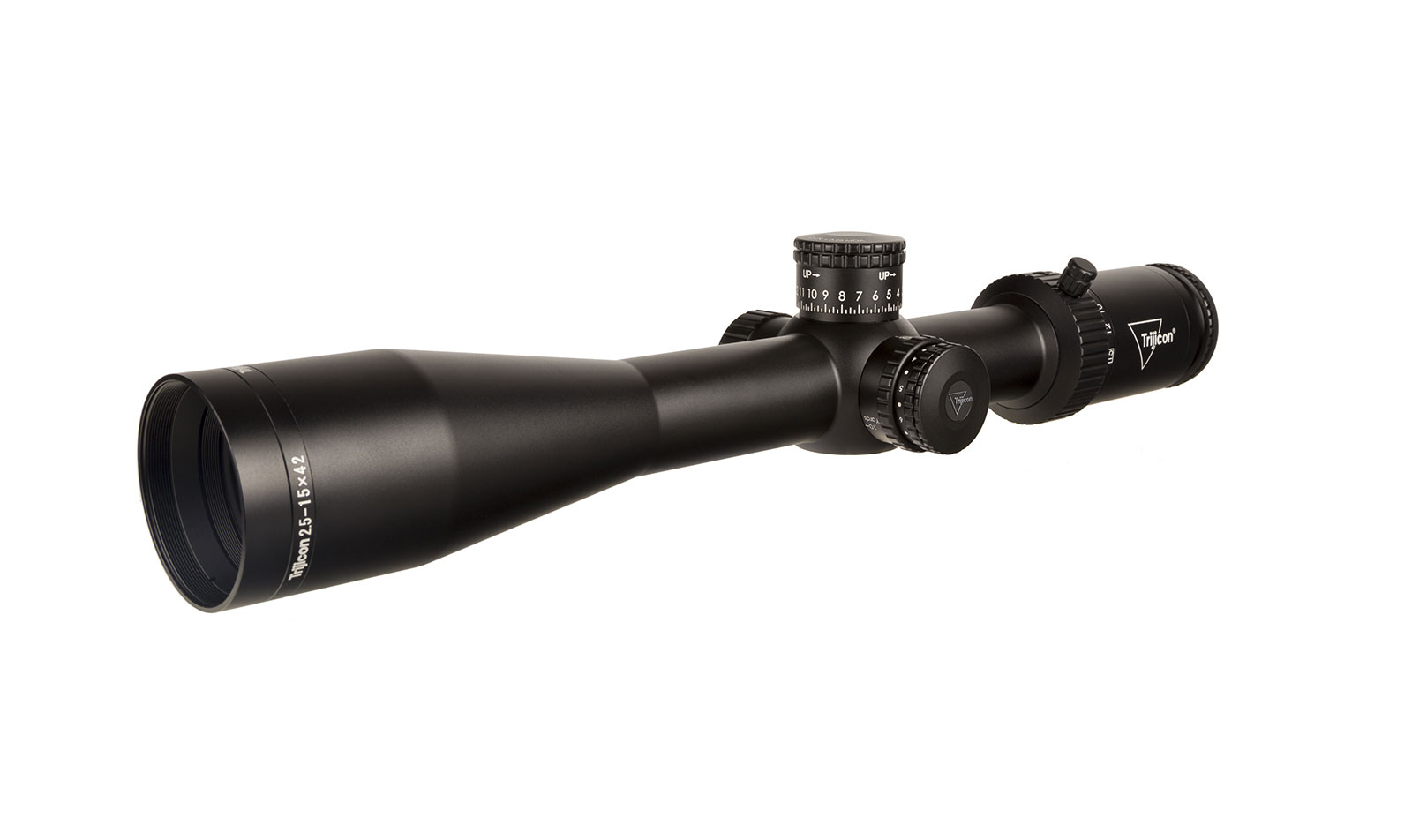
| Trijicon Credo HX 2.5-15×42 | 21.5 oz | Excellent | Capped | $900 |
Against the Leupold VX-5HD 3-15×44, the Zeiss delivers slightly better glass clarity and superior low-light performance, but the Leupold offers an extra 3x magnification and comes in lighter. The VX-5HD’s Custom Dial System also provides more flexibility if you want dialing capability without exposed turrets. For pure hunting in varied light conditions, I’d take the Zeiss glass. For western hunting where longer shots are routine and weight matters, the Leupold makes more sense.
The Vortex Razor LHT 3-15×42 costs significantly more but justifies it with exceptional glass quality that nearly matches alpha brands and exposed turrets for dialing. If your budget stretches to $1,250 and you need that capability, it’s the better choice. The Trijicon Credo HX 2.5-15×42 offers comparable glass to the Zeiss with a wider magnification range but weighs noticeably more and costs $200 extra. For traditional hunting applications where capped turrets and proven reliability matter most, the Zeiss V4 3-12×44 represents better value than either premium option.
Common Mistakes When Using This Scope
The most frequent error I see with the Zeiss V4 3-12×44 is mounting it on rifles intended for long-range precision work. This scope was designed for hunting at reasonable distances – inside 400 yards for most shooters. The capped turrets and 12x maximum magnification aren’t suited for dialing solutions at extended ranges or reading wind at 600-plus yards. If you’re building a dedicated long-range rig, look at the Zeiss V4 6-24×50 or consider scopes from Nightforce or Vortex with exposed tactical turrets and higher magnification ranges. Using this scope beyond its design intent leads to frustration.
Another mistake is failing to properly set the diopter before initial use. The fast-focus eyepiece makes it easy to achieve a sharp image without correctly adjusting the diopter, which leads to eye strain during extended glassing sessions. Take time to focus the reticle independently of the target image by looking at a blank surface and adjusting the eyepiece until the reticle appears crisp. Some shooters also over-tighten the mounting rings, which can stress the tube and potentially affect tracking. Zeiss recommends 15-18 inch-pounds on steel rings and slightly less on aluminum – follow those specifications. Finally, don’t expect this scope to perform like $2,000 alpha glass. It’s excellent for the price, but it has limitations in extreme conditions where top-tier optics maintain a clearer advantage.