
Athlon Cronus BTR Gen2 4.5-29×56
First impressions & build quality
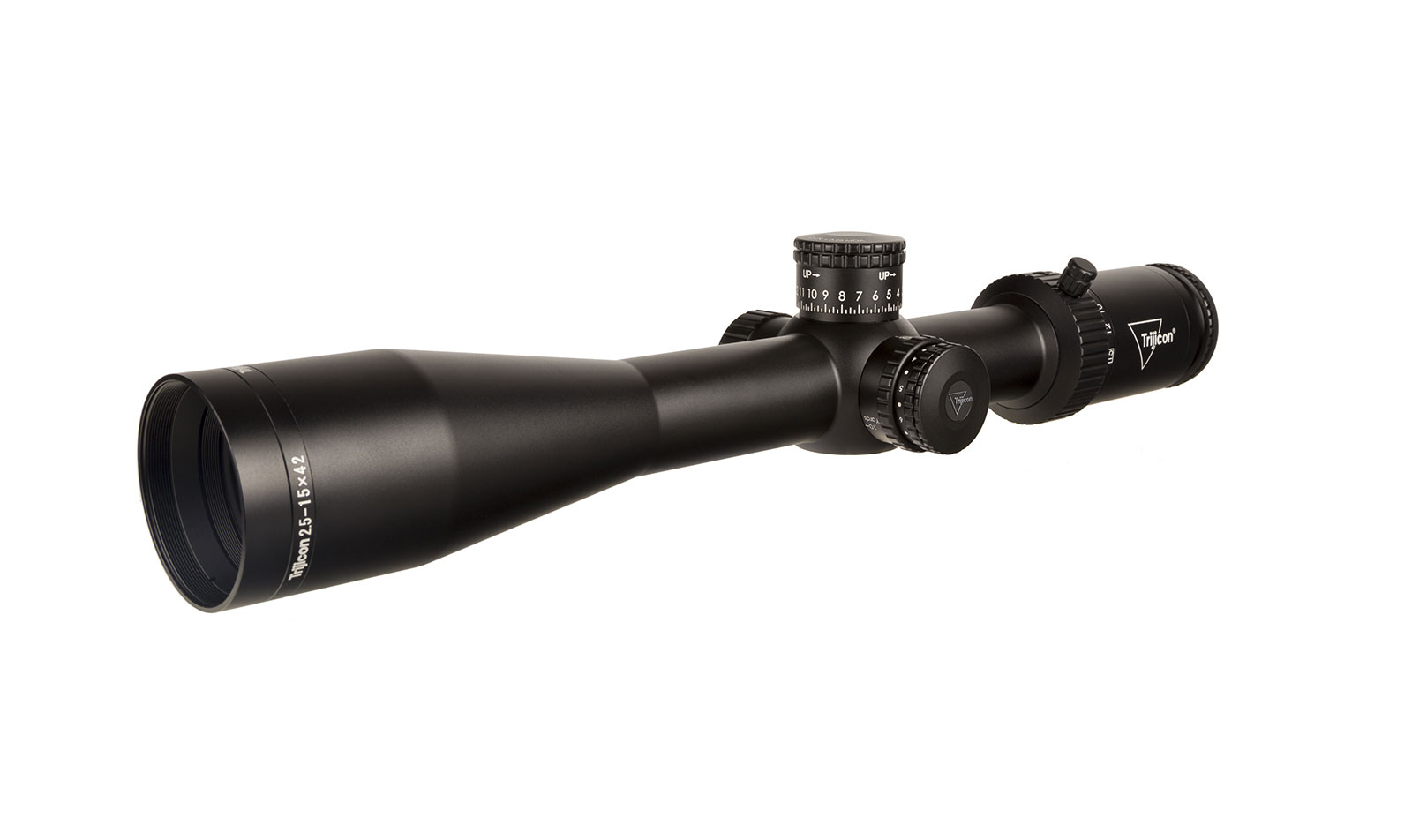
The Athlon Cronus BTR Gen2 4.5-29×56 arrives as a substantial piece of equipment that immediately communicates its intended purpose – this is a scope built for serious long-range work. Weighing in at 38.4 ounces and stretching 15.35 inches, the Athlon Cronus BTR Gen2 4.5-29×56 feels more like a precision rifle optic than a traditional hunting scope. The 34mm main tube is machined from a single piece of aircraft-grade aluminum with a matte finish that resists glare effectively. The turrets are large and tactile, the parallax knob turns smoothly, and the magnification ring operates with just the right amount of resistance. Build quality is excellent for this price point, with tight tolerances and no play in any of the adjustment mechanisms.
What stands out during initial handling is the scope’s balance between robustness and refinement. The locking turrets inspire confidence, though they add considerable bulk to the profile. The flip-up lens covers feel slightly flimsy compared to the rest of the construction, but they’re functional. The fast-focus eyepiece dials in quickly, and the eye relief is generous at 3.74-3.39 inches across the magnification range. The 56mm objective is notably large – it gathers light aggressively but demands proper ring height to avoid barrel contact. This isn’t a scope you’ll mistake for lightweight mountain gear, but the heft suggests durability rather than excess.
Optical performance in varied conditions
Glass quality in the Athlon Cronus BTR Gen2 4.5-29×56 punches well above its price class. The Japanese ED glass delivers sharp, high-contrast images with minimal chromatic aberration, even when testing against more expensive European glass. Edge-to-edge clarity remains impressive up to about 22x magnification, after which some softening appears at the periphery – expected behavior in this magnification range. Color rendition is neutral without the warm cast some budget optics exhibit, and resolution at distance is genuinely excellent. In bright midday conditions, the scope performs flawlessly with no washout or internal reflections.
Low-light performance is where the 56mm objective earns its keep. Testing during dawn and dusk revealed usable clarity well into legal shooting hours, though not quite matching alpha-tier European glass. The scope maintains contrast in shadows better than most competitors in its price bracket. In variable weather, including light rain and overcast skies, the fully multi-coated lenses shed water reasonably well, though not as effectively as premium hydrophobic coatings. One weakness emerges in bright backlit scenarios – occasionally, slight flaring appears when transitioning from shaded positions to bright backgrounds, though it’s manageable with proper positioning.
Turrets & reticle functionality
The exposed tactical turrets on the Athlon Cronus BTR Gen2 4.5-29×56 are among its strongest features. Each click delivers 0.25 MOA adjustments with crisp, audible feedback that you can both hear and feel even with gloves. The turrets track reliably – multiple box tests confirmed repeatable return to zero with no measurable drift. Each revolution provides 10 MOA of travel, with a total elevation adjustment of 34 MOA and windage of 20 MOA. The zero-stop mechanism is tool-less and intuitive to set, though it requires removing the turret cap entirely. The locking turrets prevent accidental adjustments during transport, a practical feature for those moving through heavy brush or packing scopes in tight cases.
The APLR5 FFP reticle (first focal plane) is well-designed for precision shooting but requires familiarity. The Christmas-tree style wind holds and ranging marks remain proportional throughout the magnification range, which is essential for dialing solutions at any power. However, the reticle becomes quite fine below 10x magnification, making quick target acquisition challenging in dense cover or on dark targets. At full 29x magnification, the reticle is perfectly sized for precision work without obscuring small targets. The illumination offers 11 brightness levels with an off position between each setting – the daylight-bright settings are genuinely usable in full sun, while the lowest settings preserve night vision without blooming. One critique: the illumination dial is small and requires deliberate manipulation, which can be frustrating with cold or gloved hands.
Real-world use across hunting scenarios
For long-range hunting applications where shots exceed 400 yards, the Athlon Cronus BTR Gen2 4.5-29×56 excels. Testing on prairie dogs and ground squirrels at distances from 300 to 650 yards demonstrated the scope’s capability for precise holdovers and wind corrections. The clarity at high magnification allowed confident shot placement on small targets, and the turrets made dialing elevation adjustments straightforward. The weight becomes less of an issue when shooting from prone or supported positions, where the scope’s stability actually aids in spotting your own impacts. For this type of methodical, position-based shooting, the scope delivers exceptional value.
Where this scope struggles is in dynamic, close-range hunting scenarios. The combination of weight, bulk, and a reticle that’s too fine at low magnification makes it poorly suited for driven hunts, timber stalking, or any situation requiring rapid target acquisition inside 100 yards. During a simulated deer drive, transitioning to targets quickly proved cumbersome – the 4.5x low end isn’t truly low-power for snap shooting, and the reticle virtually disappears on dark fur in shadows. Mountain hunters will find the 38-ounce weight punishing during long climbs. This is fundamentally a precision rifle scope adapted to hunting use, not a versatile all-around hunting optic. It belongs on rifles dedicated to long-range work – western pronghorn, mountain goats at distance, or prairie predators – where you can set up deliberately and use the scope’s capabilities fully.
How it compares to direct competitors
| Feature | Athlon Cronus BTR Gen2 4.5-29×56 | Vortex Razor HD Gen II 4.5-27×56 | Nightforce ATACR 5-25×56 |
|---|---|---|---|
| Price | ~$1,400 | ~$2,400 | ~$2,900 |
| Weight | 38.4 oz | 48.5 oz | 38.4 oz |
| Glass Origin | Japan (ED) | Japan (HD) | Japan (ED) |
| Turret Click | 0.25 MOA | 0.25 MOA | 0.25 MOA |
| Elevation Travel | 34 MOA | 30 MOA | 33 MOA |
| Low-light Performance | Very Good | Excellent | Excellent |
| Warranty | Lifetime | Lifetime | Lifetime |
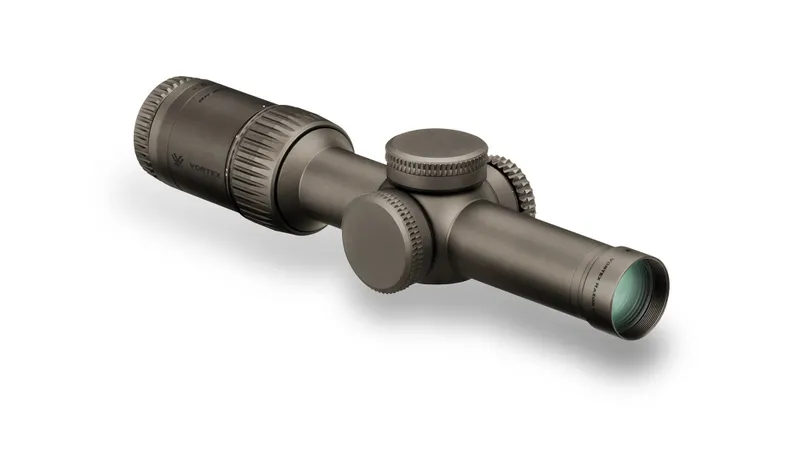
Against the Vortex Razor HD Gen II 4.5-27×56, the Athlon offers comparable optical performance at nearly half the price, though the Razor edges ahead in low-light contrast and build refinement. The Razor is significantly heavier, which may or may not matter depending on your application. Both scopes track reliably, but the Vortex’s turrets have slightly more refined tactile feedback. For shooters on a budget who prioritize glass quality and tracking accuracy over brand prestige, the Athlon represents better value.
The Nightforce ATACR 5-25×56 sits in a different league regarding durability and optical excellence, justifying its higher price for professionals and serious competitors. The Nightforce glass delivers noticeably better edge clarity and low-light performance, and its construction is bomb-proof. However, for recreational precision shooters and hunters who don’t need military-grade durability, the Athlon delivers 80-85% of the performance at half the cost. The Athlon is ideal for dedicated long-range hunters, PRS competitors on a budget, and precision rifle enthusiasts who shoot frequently enough to appreciate quality glass but can’t justify $3,000 optics. Skip this scope if you need lightweight mountain gear, hunt primarily in timber, or want a true all-around hunting optic.
Common mistakes when using this scope
The most frequent error with the Athlon Cronus BTR Gen2 4.5-29×56 is mounting it too low. That 56mm objective requires sufficient clearance – many shooters discover barrel contact issues after installation. Use rings that provide at least 0.25 inches of clearance between the objective bell and barrel. Medium-height rings typically work on standard hunting rifles, but verify clearance before permanently mounting. Additionally, shooters often neglect to properly set the zero-stop feature, either skipping it entirely or setting it incorrectly, which defeats one of the scope’s most useful functions. Take the time during initial zeroing to set the zero-stop precisely – it takes five minutes and prevents frustration later.
Another common mistake is using this scope for applications it wasn’t designed for. Mounting it on a lightweight mountain rifle or brush gun creates an unbalanced, front-heavy setup that’s miserable to carry and awkward to handle. This scope belongs on heavier precision rifles with substantial stocks and bipods – platforms designed for deliberate, long-range work. Shooters also frequently struggle with the FFP reticle at low magnification, attempting to use it like a traditional hunting scope at 5-6x. If you’re hunting in situations requiring low-power shooting, either learn to use the center dot exclusively or choose a different optic. Finally, many users fail to properly adjust parallax, particularly at longer ranges. At 500-plus yards, parallax error becomes significant – dial the side focus knob carefully for each distance rather than leaving it set at infinity.