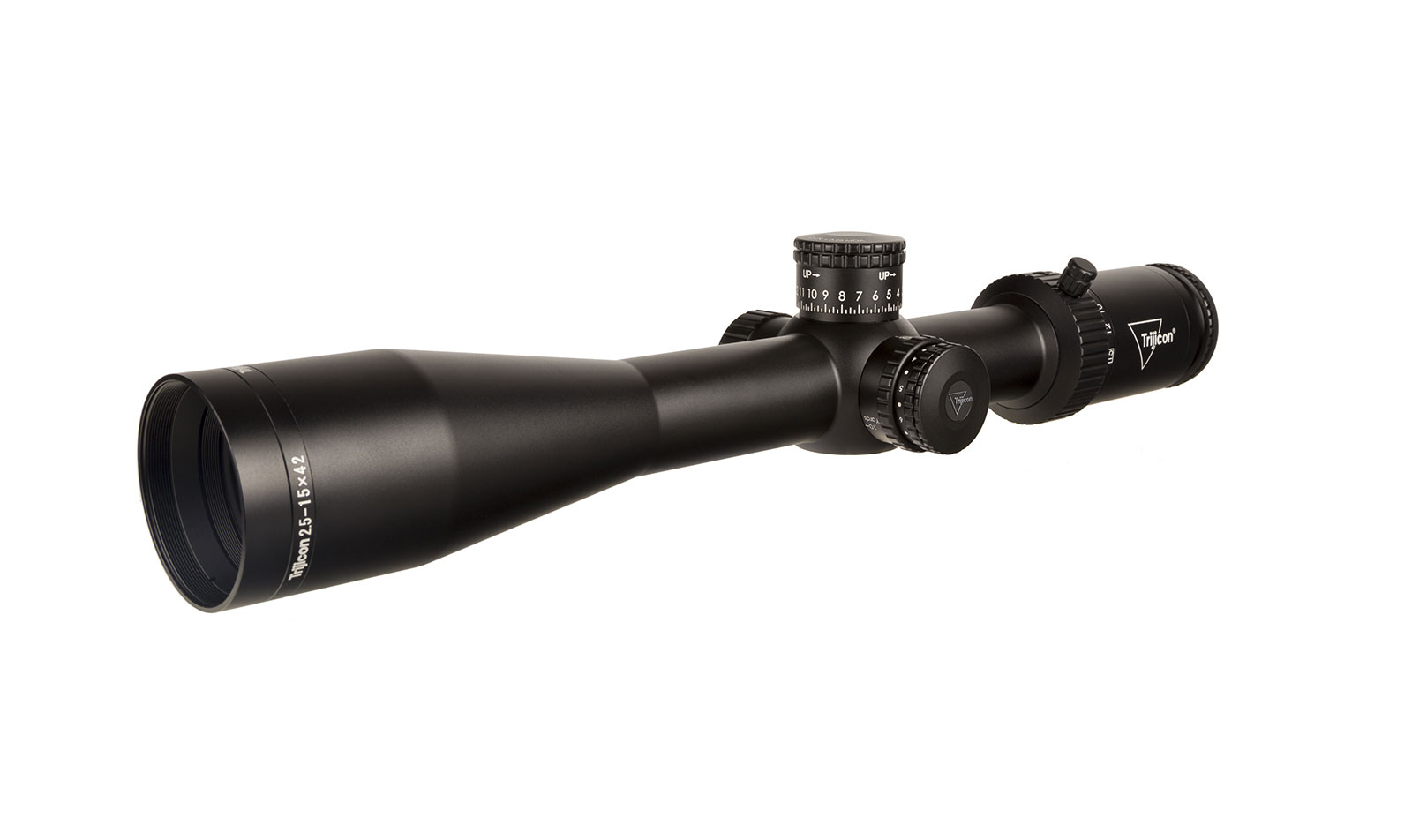

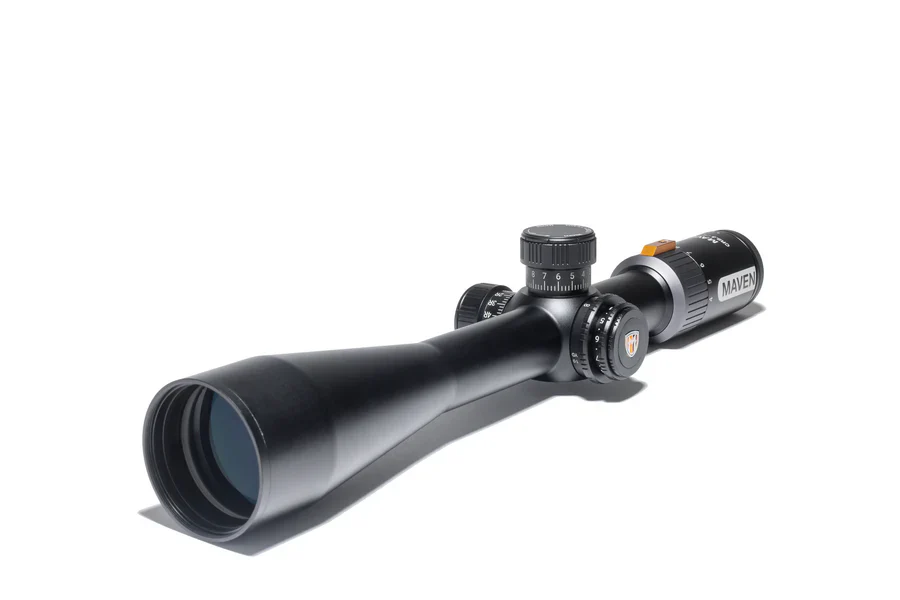
The Maven RS.3 4-20×50 sits in a crowded segment where precision rifle scopes need to balance long-range capability with hunting versatility. Maven’s direct-to-consumer model positions this optic at roughly $1,400, undercutting traditional competitors while promising Japanese glass and first focal plane functionality. After several months testing this scope across prairie dog towns, mountain rifle practice, and timber hunts, I’ve developed a clear picture of where it excels and where it compromises.
This isn’t Maven’s flagship – that distinction belongs to the RS.1 and RS.5 series – but the RS.3 represents their attempt to deliver serious magnification range and FFP precision without crossing the $2,000 threshold. The 4-20x magnification spread is ambitious, offering genuine low-end hunting usability while stretching into dedicated long-range territory. Whether that versatility translates to practical performance depends heavily on your expectations and shooting context.
Maven RS.3 4-20×50: First Impressions & Build
The RS.3 arrives with a reassuring heft – 28 ounces isn’t featherweight, but it’s reasonable for a 50mm objective in this magnification class. The machining quality is clean, with smooth transitions between the turret housing and main tube. The anodizing shows good uniformity, though it lacks the jewelry-grade finish of higher-tier European optics. The throw lever includes a rubberized contact point that’s functional without being oversized, and the parallax dial turns with appropriate resistance – not mushy, not excessively stiff.
What stands out immediately is the eyebox. At 4x, it’s forgiving enough for quick target acquisition in timber or broken terrain. Push past 15x, and you’ll notice the sweet spot tightens considerably. This isn’t unusual for high-magnification scopes, but shooters accustomed to premium German glass will find themselves doing more head repositioning during extended glassing sessions. The diopter locks firmly once set, and the magnification ring has well-defined detents at whole-number intervals. Build-wise, this feels like a $1,400 scope – competent and purposeful, not exceptional.
Optical Performance in Field Conditions
The RS.3 uses Japanese ED glass, and in good light conditions from 4-12x, it delivers clean, color-neutral images with respectable edge clarity. Center sharpness is very good across the magnification range. Where you notice the price point is in contrast and low-light transmission. Compared to a Nightforce NX8 4-20×50 or Zeiss LRP S3 4-25×50, the Maven shows slightly muted contrast in shadow detail and doesn’t pull quite as much usable light in the final 20 minutes of legal shooting time.
At maximum magnification, chromatic aberration becomes visible along high-contrast edges – tree branches against bright sky, for example. It’s not severe enough to interfere with target identification at distance, but it’s present. The image remains sharp enough for precise holdovers or dialing at 600-800 yards on steel. For hunting applications where you’re glassing heavy timber or canyon shadows at dawn, you’ll want to stay below 14x to maintain image brightness. The parallax adjustment is effective from 25 yards to infinity, with clear markings that correspond well to actual focus distances. This isn’t class-leading glass, but it’s honest glass that performs adequately for the price.
Turrets, Reticle, and Tracking Accuracy
The RS.3 features capped windage and exposed elevation, both offering 0.1 mil adjustments. The elevation turret has a tool-less zero reset and clear, tactile clicks – not the crisp mechanical snap of a Nightforce, but distinct enough to count reliably with gloves. I ran a tracking test over 300 clicks (30 mils up and back), and the scope returned to zero within 0.1 mil. That’s adequate for hunting and recreational long-range work, though I’d want more extensive testing before trusting it in a competitive precision environment.
The SHR-W reticle (Maven’s MOA-based holdover option also available) is a clean, uncluttered design with floating center dot and hash marks at 0.2 mil intervals along the windage line and 0.5 mil intervals on the elevation stadia. Being first focal plane, the reticle scales proportionally – usable at 4x for quick work, detailed enough at 20x for precise holds. The illumination has 11 settings, with daylight-visible brightness at the top end and genuinely dim settings suitable for night vision compatibility. One quirk: the center dot is 0.05 mil, which some shooters find too fine at lower magnifications. It’s a matter of preference, but if you’re transitioning from SFP scopes with bold center crosshairs, there’s an adjustment period.
Real-World Use: From Range to Rugged Terrain
I mounted this scope on a 6.5 Creedmoor precision rifle for prairie dog work and steel practice out to 900 yards. At those distances, the RS.3 performed without drama – clicks tracked predictably, the reticle provided clear aiming references, and image quality was sufficient to spot impacts on steel through mirage. Where it showed limitations was during a mountain mule deer hunt at elevation. Glassing across canyon draws in broken light, I found myself wishing for the contrast pop of better glass. The scope handled recoil from a 300 WSM without issue across 60+ rounds, maintaining zero through transport in a soft case over rough roads.
The weight becomes noticeable on a lightweight hunting rifle during all-day carries above treeline. At 28 ounces, it’s not punishing, but paired with a 34mm mount, you’re adding significant mass to a rig intended for mobility. For a dedicated long-range rifle that lives on a bench or in a truck, the weight is irrelevant. The RS.3 makes most sense for shooters who want one optic to cover both precision practice and occasional hunting applications—accepting that it won’t be optimized for either extreme. If you’re primarily hunting in low light or heavy cover, you’d be better served by a 3-15x or 3-18x scope with better glass. If you’re focused on competitive precision work, spending another $600-800 gets you noticeably better tracking and optical performance.
Comparison Table
| Optic | Price | Weight | Glass Quality | Tracking | Best For |
|---|---|---|---|---|---|
| Maven RS.3 4-20×50 | ~$1,400 | 28 oz | Good | Very Good | Budget-conscious shooters wanting FFP and high magnification |
| Nightforce NX8 4-20×50 | ~$2,000 | 29 oz | Excellent | Excellent | Serious precision work where reliability is non-negotiable |
| Athlon Cronus BTR Gen2 4.5-29×56 | ~$1,500 | 38 oz | Very Good | Good | Maximizing magnification and features per dollar, weight not a concern |
| Zeiss LRP S3 4-25×50 | ~$2,600 | 31 oz | Outstanding | Excellent | Hunters and precision shooters demanding best-in-class low-light performance |
The Maven RS.3 4-20×50 delivers functional first focal plane performance at a price point that undercuts many competitors. It’s built well enough to hold zero under field use, offers adequate optical quality for most shooting distances, and provides a usable magnification range for both hunting and target work. The glass isn’t exceptional, the eyebox tightens at high magnification, and low-light performance trails premium options – but these are expected compromises at $1,400. This scope makes sense for shooters building a dual-purpose rifle on a defined budget, particularly those who prioritize magnification range and FFP reticle over ultimate optical refinement. If you’re hunting primarily in marginal light, spending more on better glass pays immediate dividends. If you’re competing where tracking reliability is critical, the extra investment in Nightforce or similar tier is justified. But for the shooter who understands the trade-offs and values Maven’s direct pricing model, the RS.3 is a competent tool that performs its intended role without pretense.