
A Field-Tested Review
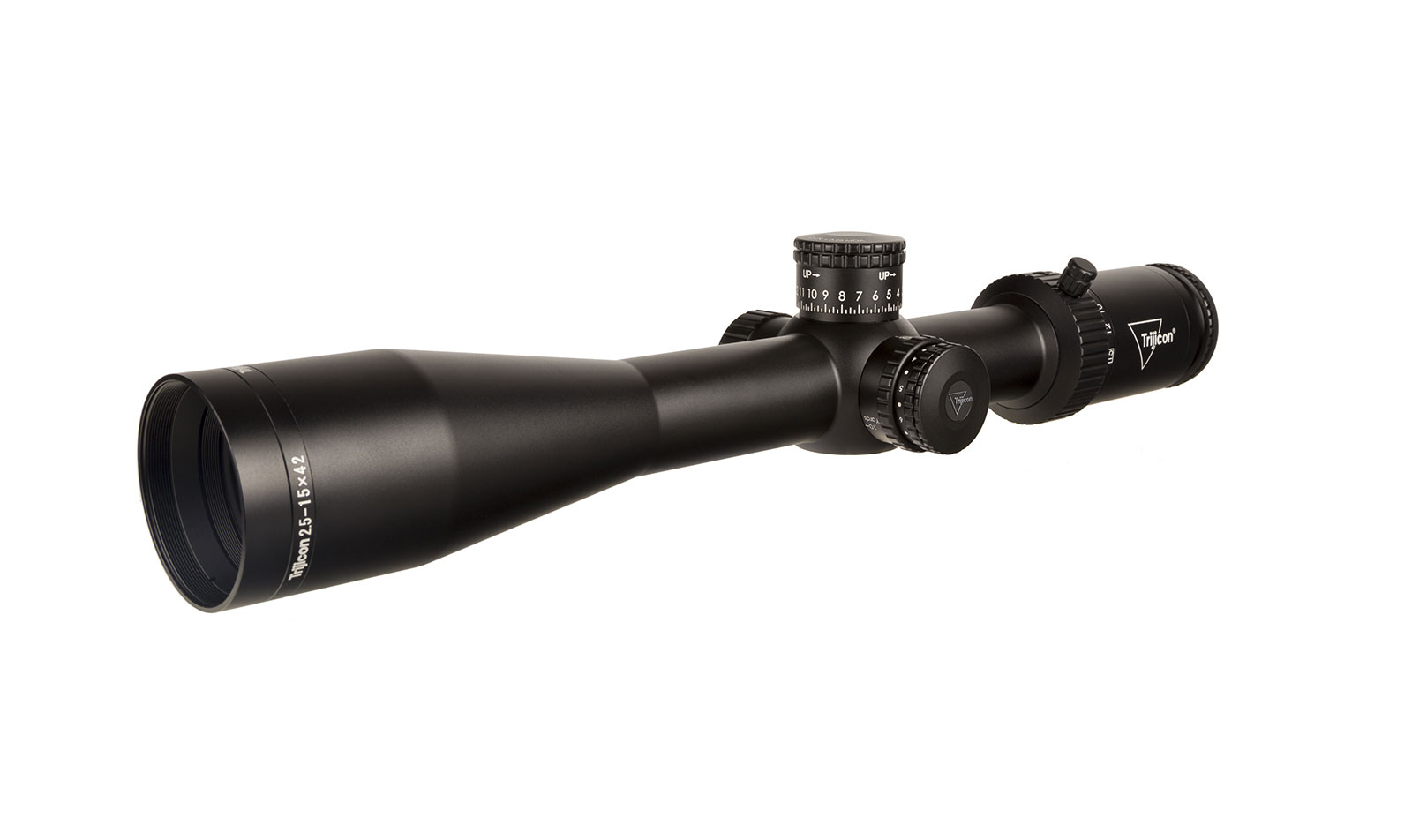
The Trijicon Huron 3-9×40 sits in an interesting space within Trijicon’s lineup—it’s their entry into the traditional hunting scope market, priced lower than their tactical offerings but carrying the brand’s reputation for durability. After spending several months with this scope across whitetail stands, prairie dog towns, and the rifle range, I’ve developed a clear picture of what it does well and where it falls short. This isn’t Trijicon’s flagship glass, and that’s immediately apparent when you start using it, but it brings some genuine strengths that matter in the field. If you’re considering this scope, you deserve an honest assessment of whether it fits your needs or if your money is better spent elsewhere.
First Impressions & Build Quality Overview
The Huron feels substantial without being heavy, checking in at around 15 ounces—lighter than many competitors in this magnification range. The tube is a true one-inch diameter with a matte black anodized finish that resists scratches reasonably well, though it’s not quite as refined as what you’ll find on European glass. The eyepiece and objective bell transitions are smooth, and the overall machining quality is solid, with no visible gaps or misalignments. The scope comes with flip-up lens covers that are functional but feel a bit cheap compared to the scope itself—I replaced mine with Butler Creek caps after the factory ones started feeling loose. Trijicon’s warranty backs this scope, and the construction suggests it’ll handle typical hunting abuse without issue, though it doesn’t have the overbuilt feel of their military-grade products.
Optical Performance: Clarity and Low Light
The glass quality is where the Huron shows its price point most clearly. At 3x and 6x magnification, clarity is good across about 85% of the image with some softness creeping in at the edges—acceptable for hunting but noticeably behind premium optics from Zeiss or Leupold’s VX-5HD line. Color rendition is neutral without being particularly vibrant, which I actually prefer for judging distances and picking out details in timber. Where this scope struggles is in low light conditions; during the last 20 minutes of shooting light, the image gets noticeably dimmer and grainier than scopes with better glass coatings. I’ve passed on shots in heavy timber that I would have taken with better glass, and that’s a real limitation if you hunt thick cover at dawn or dusk. The scope uses fully multi-coated lenses, but the coatings aren’t in the same league as high-transmission glass from premium manufacturers. For open country hunting in good light, it performs well enough, but low-light hunters should look elsewhere.
Turrets & Reticle Options Explained
The Huron features capped turrets with 1/4 MOA clicks, and this is one area where Trijicon made smart choices. The clicks are tactile and audible without being mushy—you can count them with gloves on, and they’ve held zero reliably through several months of use and transport. The turrets aren’t designed for dialing; they’re set-and-forget adjustments for zeroing, which suits this scope’s intended use perfectly. The reticle options include the BDC Hunter Hold and a standard German #4 style duplex. I tested the BDC version, which features holdover marks calibrated for common hunting cartridges at 100-yard increments. The reticle is in the second focal plane, meaning it stays the same size regardless of magnification—practical for hunters who need consistent reference points. The BDC marks worked reasonably well with my .308 load out to 400 yards, though you’ll need to verify drops with your specific ammunition. The reticle is a bit thick for precise long-range work but perfectly adequate for hunting-sized vitals out to reasonable distances.
Real-World Use: Hunting and Field Testing
I’ve used this scope on a Tikka T3x in .308 across multiple hunting scenarios: whitetail from treestands, spot-and-stalk mule deer in open sage country, and extended prairie dog sessions that put several hundred rounds through the system. The scope has held zero without issue—I check it before each hunt and haven’t needed to adjust since initial zeroing. The eye relief is forgiving at around 3.6-4 inches, making it easy to acquire the sight picture quickly when a deer steps into an opening. The magnification ring turns smoothly but requires deliberate effort, which prevents accidental adjustments but can slow you down when you need to change power quickly. During a mule deer stalk, I found myself wishing for a throw lever to quickly dial down from 9x to 3x when the buck suddenly appeared at 80 yards instead of the anticipated 300. The parallax is fixed at 100 yards, which works fine for hunting but shows noticeable shift when shooting prairie dogs at 200+ yards—you’ll need to be consistent with head placement for precision work at distance.
How It Compares to Similar Scopes
Here’s how the Huron stacks up against direct competitors in the $400-$600 range:
| Scope | Weight | Glass Quality | Low Light | Turrets | Price |
|---|---|---|---|---|---|
| Trijicon Huron 3-9×40 | 15 oz | Good | Fair | Excellent | $450 |
| Leupold VX-3HD 3.5-10×40 | 12.6 oz | Very Good | Good | Very Good | $500 |
| Vortex Viper HS 2.5-10×44 | 17.3 oz | Good | Very Good | Good | $480 |
| Athlon Midas TAC 4-16×44 | 22 oz | Good | Good | Very Good | $400 |
The Leupold offers better glass and lighter weight but costs more and has slightly less robust turrets. The Vortex Viper HS is my top pick in this price range for low-light performance thanks to its larger objective, though it’s noticeably heavier. The Athlon provides more magnification and features for less money but lacks the warranty and reputation of the other brands. The Huron’s strength is its durability and turret quality—if you’re hard on equipment and prioritize mechanical reliability over optical perfection, it makes sense. For pure optical performance, the Leupold wins. For low-light hunting, I’d choose the Vortex.
Common Mistakes When Setting Up This Scope
The most common error I see with the Huron is mounting it too far forward on the rail, which compresses the eye relief and makes it difficult to get a full sight picture quickly. This scope needs to be positioned so your eye naturally falls into the eye box when your cheek hits the stock—take the time to get this right before permanently tightening rings. Another mistake is expecting the BDC reticle to magically work with your ammunition without verification; you must shoot your actual drops at distance to confirm where those holdover marks actually hit with your specific load and environmental conditions. I’ve also seen shooters crank the magnification to 9x for every shot, which narrows the eye box and makes field of view unnecessarily tight—I keep mine at 4-6x for most hunting situations and only dial up for confirmed long shots. Finally, some users don’t properly tighten the turret caps after zeroing, leading to inadvertent adjustments in the field. These caps should be snug but not gorilla-tight.
Best Use Cases for the Huron 3-9×40
This scope excels in specific scenarios: hunting in open to moderately wooded terrain where most shots occur between 100-300 yards in decent light conditions. It’s ideal for someone who wants Trijicon reliability without paying tactical optic prices, particularly hunters who are rough on equipment—guys who throw rifles in truck beds, ride ATVs through rough country, or hunt in nasty weather. The scope makes sense for cartridges like .308, .270, .30-06, and similar calibers where the magnification range and BDC reticle align well with trajectory. It’s also a solid choice for someone building a do-everything rifle that needs to work for deer, hogs, and predators without specializing in any one role. Where this scope doesn’t fit is low-light hunting in heavy timber, precision shooting beyond 400 yards, or situations where you need to regularly dial turrets for elevation. If you primarily hunt the first and last 30 minutes of daylight in thick cover, spend the extra money on better glass. If you’re a western hunter glassing long distances, you’ll want more magnification and better optical quality.
Quick Takeaways: Is This Scope Worth It?
The Trijicon Huron 3-9×40 is a mechanically sound scope with good-enough glass that will serve most hunters reliably in the field, but it’s not a standout value in a competitive market. At $450, it’s priced fairly for what you get—solid construction, reliable turrets, and the Trijicon warranty—but it doesn’t offer the optical performance of similarly priced competitors. The low-light capability is its biggest weakness; if that matters to your hunting style, look elsewhere. The turret quality and overall durability are its greatest strengths; if you’re hard on gear, that might justify the purchase. I’d recommend this scope to someone who values mechanical reliability over optical perfection, hunts primarily in good light, and wants a simple, durable hunting scope from a trusted manufacturer. I wouldn’t recommend it to low-light hunters, precision shooters, or anyone who prioritizes glass quality above all else. It’s a solid B-grade scope that does nothing exceptionally but handles the basics competently—which is exactly what some hunters need, and not quite enough for others.
After several months and multiple hunting seasons with the Trijicon Huron 3-9×40, my assessment is straightforward: it’s a capable hunting scope with clear strengths and weaknesses that make it right for some shooters and wrong for others. The mechanical reliability and turret quality punch above the price point, while the optical performance sits squarely in the middle of the pack. If your hunting happens in open country during daylight hours and you value durability over the last 5% of optical clarity, this scope will serve you well. If you’re a dawn-and-dusk hunter in heavy timber or someone who obsesses over glass quality, save your money for something with better low-light performance. The Huron is an honest scope that does what Trijicon designed it to do—provide reliable performance for typical hunting scenarios without the premium price of their tactical lines. Just make sure those scenarios match your actual hunting before you buy.