
Trijicon Credo HX 1-8×28: Field-Tested Performance Review
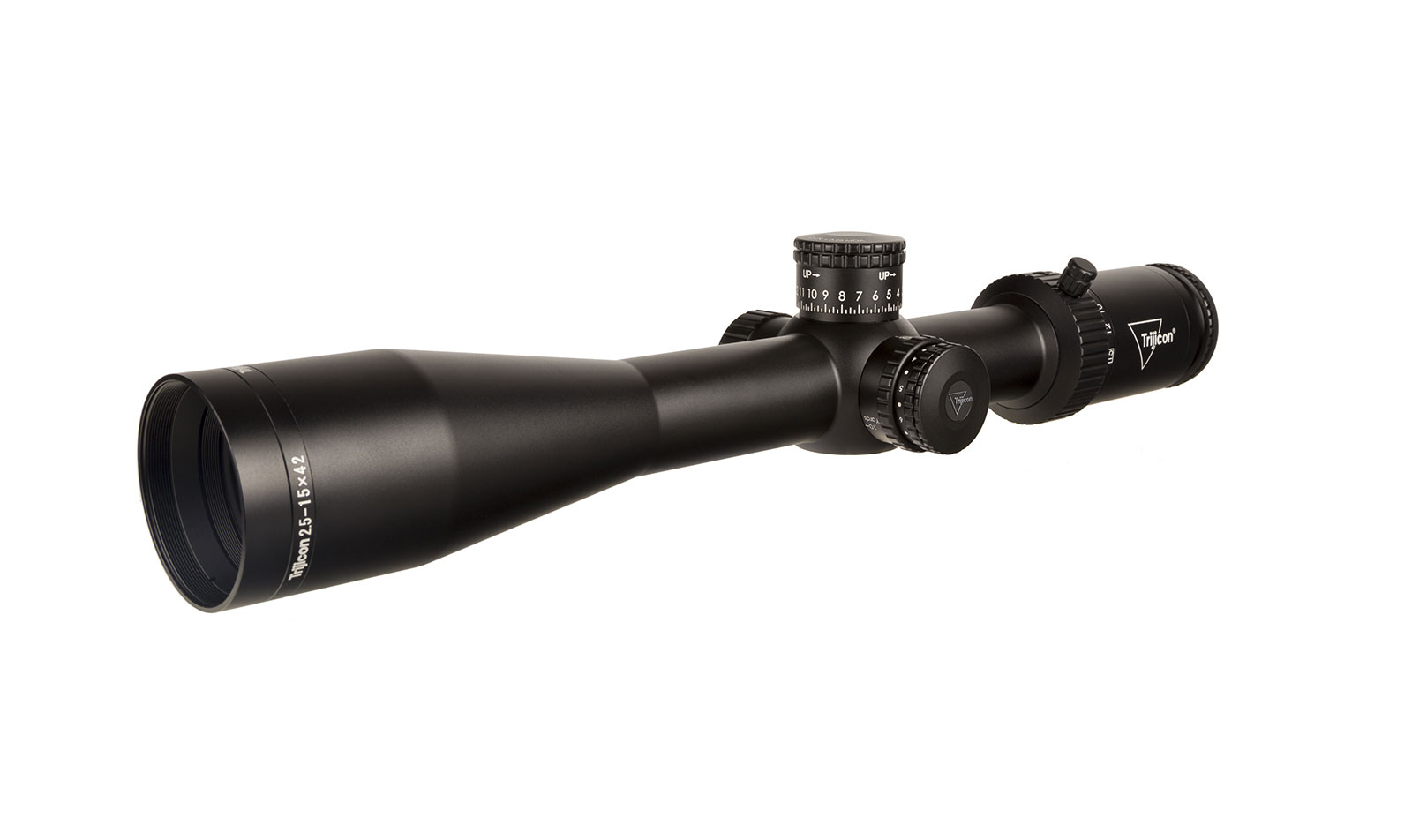
The Trijicon Credo HX 1-8×28 sits in a crowded space where tactical low-power variable optics (LPVOs) meet hunting applications. Priced around $1,200-$1,400 depending on reticle choice, it’s positioned as a do-everything scope for shooters who need true 1x speed at close range and enough magnification for precise shots out to 400-500 yards. I’ve run this optic through multiple seasons on a .308 bolt gun and a 5.56 semi-auto, testing it in everything from predawn timber stands to bright midday prairie shots. What follows is what actually matters when you’re behind the glass.
Optical Performance: Glass Quality & Low-Light Use
The Credo HX uses fully multi-coated Japanese glass, and it shows. Edge-to-edge clarity is very good—not quite alpha-tier like a Razor HD Gen III, but noticeably sharper than budget LPVOs in the $600-$800 range. Color rendition is neutral without the slight yellow cast some Vortex models exhibit. At 8x, resolution holds up well enough to identify antler points at 300 yards in good light, though you’ll notice some chromatic aberration on high-contrast edges if you’re pixel-peeping. For practical field use, it’s more than adequate.
Low-light performance is where Trijicon’s glass earns its keep. The 28mm objective is small by hunting scope standards, but the lens coatings pull impressive amounts of usable light during the first and last 20 minutes of legal shooting time. I’ve clearly resolved deer in heavy timber 15 minutes after sunset—not quite matching a 50mm objective scope, but competitive with other 30mm LPVOs. The etched reticle remains visible without illumination in dim conditions, though you’ll want the red dot active in true low light. Battery life on medium settings has been exceptional; I’m still on the factory battery after 18 months of intermittent use.
Turrets & Reticle: Tracking and Field Usability
The Credo HX features capped turrets with 0.25 MOA clicks. They’re not designed for dialing—there’s no zero stop, and the caps are small and fiddly with cold fingers. This is a hold-over scope, plain and simple. The clicks are tactile enough to feel through gloves but lack the precision feedback of a true tactical turret. I’ve verified tracking with box tests twice; both times it returned to zero accurately, and adjustments matched advertised values within acceptable tolerances. For hunting applications where you’re setting zero and leaving it, they’re fine. If you need to dial elevation regularly, look elsewhere.
The BDC reticle (I tested the red segmented circle version) is practical but not inspired. At 1x, the illuminated center dot is fast for close work—genuinely both-eyes-open usable, unlike some LPVOs with fisheye distortion. The horseshoe outer ring provides just enough reference without cluttering the view. At 8x, the BDC hash marks are calibrated for 5.56 but required some mental math for my .308 loads. Subtensions are clearly marked in the manual, but you’ll need to verify drops with your specific ammunition. The illumination has 10 daylight-bright settings and works well; no washout in direct sun, no bloom at night with NVGs (though this isn’t marketed as NV-compatible). One gripe: the illumination dial is on the left side, awkward for right-handed shooters to adjust quickly.
Real-World Use: Field Testing Across Conditions
I’ve used this scope in temperatures from -10°F Montana mornings to 95°F August prairie dog sessions. Zero has held through transport in truck beds, ATV vibration, and one unintentional drop from a tree stand (don’t ask). The nitrogen purging works; no internal fogging even when moving from heated vehicles into subzero air. The scope body is machined aluminum with a matte finish that resists glare but shows scratches easily—purely cosmetic, but worth noting if you baby your gear.
Weight is reasonable at 21 ounces, making it viable for rifles you’ll carry all day. Eye relief is forgiving at 3.5-4 inches across the magnification range, and the eyebox is generous enough for quick acquisition when shooting offhand or from awkward field positions. Parallax is fixed, optimized around 100 yards—acceptable for an LPVO, though you’ll see slight shift at extreme close range on 8x. The throw lever (included) is mandatory for quick magnification changes; without it, the ring is too stiff to adjust smoothly under stress. In practical hunting scenarios—scanning timber at 6-8x, then dropping to 1x for a running shot—the system works as advertised once you develop muscle memory.
How It Compares: Value Against Direct Rivals
| Scope | Price | Weight | Glass Quality | Turrets | Best For |
|---|---|---|---|---|---|
| Trijicon Credo HX 1-8×28 | $1,200-$1,400 | 21 oz | Very Good | Capped, no zero stop | General hunting, 3-gun, versatile use |
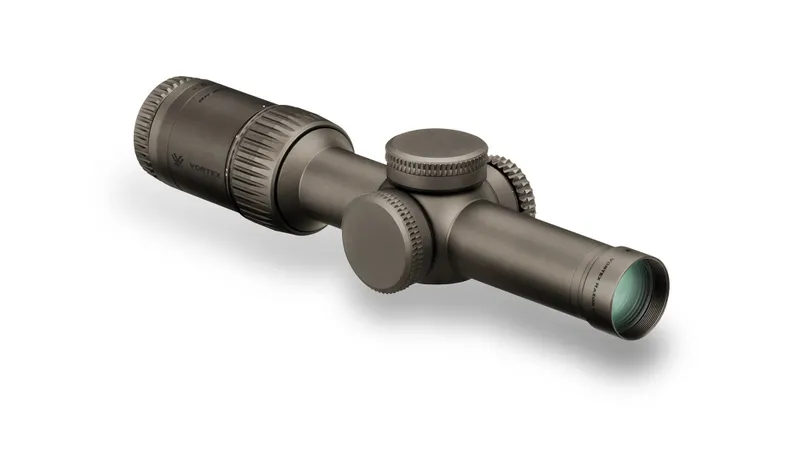
| Vortex Razor HD Gen II-E 1-6×24 | $1,100-$1,300 | 21.5 oz | Excellent | Capped, basic | Close-range hunting, tactical |
| Nightforce NX8 1-8×24 | $1,700-$1,900 | 17 oz | Excellent | Capped, zero stop available | Weight-conscious hunters, backcountry |
| Primary Arms PLx 1-8×24 | $1,100-$1,300 | 24.5 oz | Good | Exposed tactical | Budget-conscious precision shooters |
The Credo HX slots between the Vortex Razor Gen II (slightly better glass, narrower FOV) and the Nightforce NX8 (superior glass and weight, much higher price). If you’re choosing between these, the Trijicon makes sense if you value Trijicon’s reputation for bomb-proof reliability and don’t need dialing turrets. The NX8’s weight savings are significant for mountain rifles, but you pay dearly for those 4 ounces. The Primary Arms PLx offers exposed turrets and similar optical performance for less money, but lacks the track record and resale value.
Against dedicated hunting scopes like a Leupold VX-5HD 2-10×42, the Credo gives up low-light capability and magnification range but gains true 1x performance for close work. It’s genuinely a crossover optic—excellent if your shooting spans whitetails in thick cover and coyotes at 400 yards, less ideal if you specialize in either extreme. I wouldn’t choose this for a dedicated long-range rifle (insufficient magnification) or a pure dangerous-game gun (the 28mm objective limits twilight performance), but for a general-purpose centerfire that does everything reasonably well, it’s a solid pick.
The Trijicon Credo HX 1-8×28 delivers on its core promise: reliable, field-ready performance across diverse shooting situations without excelling dramatically in any single category. The glass is very good, the 1x is genuinely fast, and the construction inspires confidence after hard use. It’s ideal for hunters who encounter varied terrain and shot distances, 3-gun competitors wanting proven durability, or shooters consolidating multiple rifles into one versatile platform. You’ll pay a modest premium for the Trijicon name, but the quality control and customer service justify it for many buyers. If you need best-in-class glass, look at the NX8; if you need dialing capability, consider the Primary Arms PLx. But if you want a tough, dependable LPVO that simply works across the widest range of conditions, the Credo HX earns its place. Just understand its limitations—this is a jack-of-all-trades scope, with all the compromises that entails.