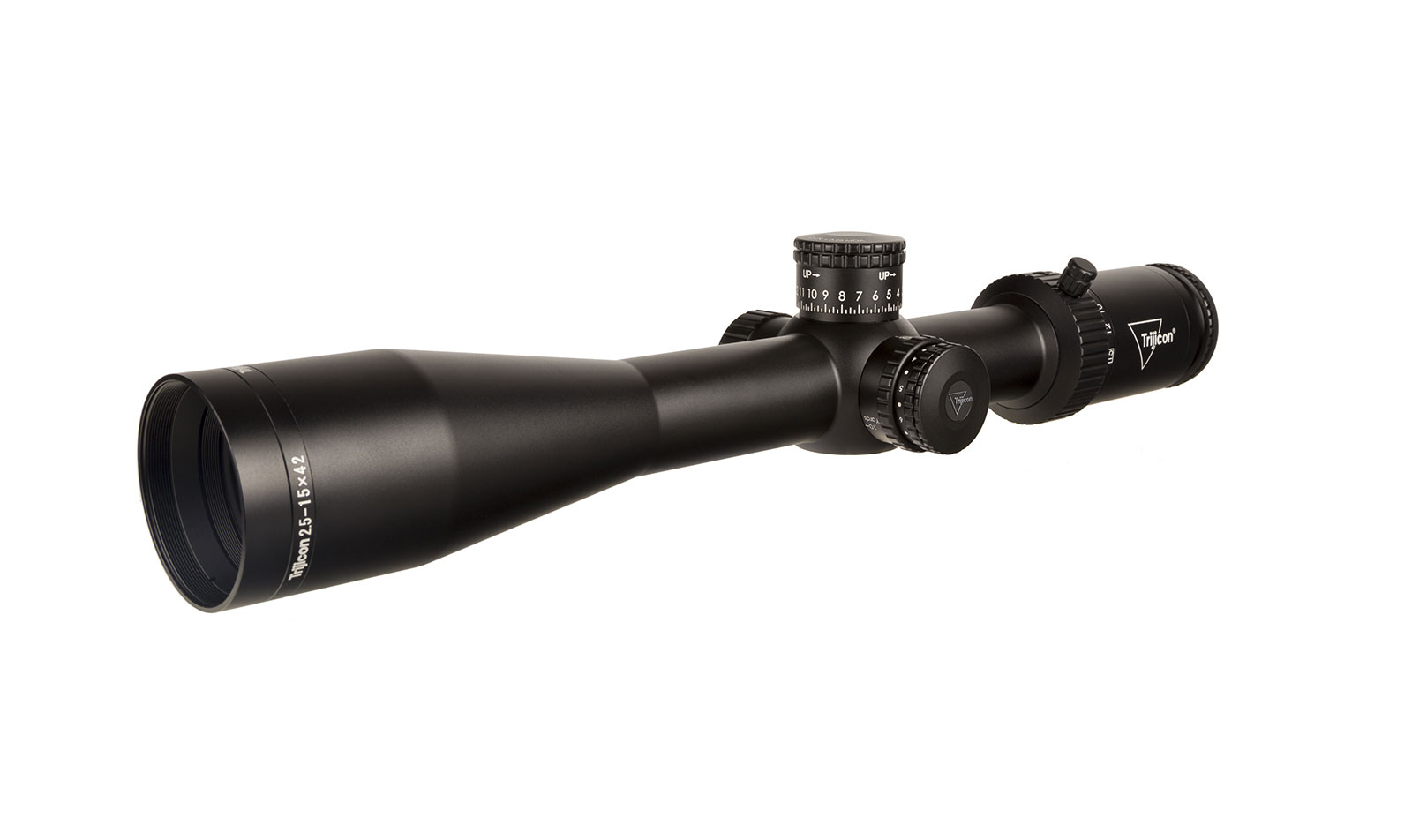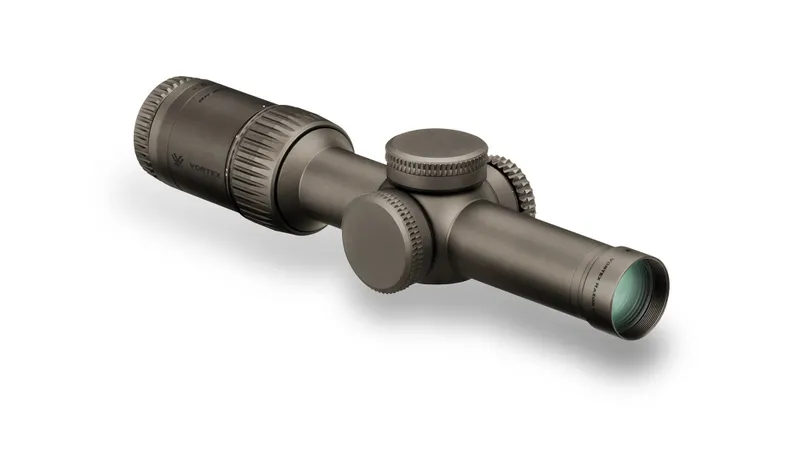

The Nightforce SHV 3-10×42 occupies an interesting position in the riflescope market – it’s the entry point to the Nightforce brand, designed to deliver core performance without the premium price tag of the ATACR or NXS lines. After spending several months with this optic across mountain hunts, range sessions, and variable weather conditions, I’ve developed a clear picture of where it excels and where compromises were made to hit its price point. This isn’t a scope that will wow you with luxury features, but it might surprise you with what matters most: reliability and functional optical quality.
First Impressions & Build
The SHV feels substantial in hand – at 20.5 ounces, it’s not a lightweight option, but the weight translates to reassuring solidity rather than bulk. The 30mm tube is machined from a single piece of aluminum, and the finish is uniformly matte with no rough edges or tooling marks. Compared to Nightforce’s higher-tier models, the SHV lacks some of the refinements like locking turrets or zero stops, but the construction quality doesn’t feel compromised. The eyepiece and parallax adjustment turn smoothly with appropriate resistance, and there’s no play in any of the controls.
The scope’s profile is clean and functional. The objective bell isn’t oversized, which helps with mounting flexibility, and the ocular housing is compact enough to work well with most stock configurations. The magnification ring has raised ribs that provide good purchase even with gloves, though it requires more rotational force than scopes with lighter internal mechanisms. This isn’t a flaw – it’s a characteristic of Nightforce’s preference for mechanical security over feather-light operation. The power ring won’t accidentally shift during transport, which matters more in the field than effortless rotation at the range.
Optical Performance in Field Conditions
The glass in the SHV represents where Nightforce made calculated decisions to control costs. In good to moderate light, the image is sharp center-to-edge with accurate color rendition and no noticeable chromatic aberration on high-contrast edges. Resolution is very good at all magnifications, though not quite at the level of the NXS or European alpha glass. Where you’ll notice the difference is in low light—the SHV is serviceable in the last 20 minutes of shooting light, but it doesn’t gather or transmit light as efficiently as scopes with higher-grade coatings or larger objectives.
In practical hunting scenarios across varied terrain, the optical performance proved more than adequate for shots out to 400 yards on medium to large game. The image remains clear through mirage at mid-day on the range, and edge distortion is minimal even at 10x. The parallax adjustment (located on the objective bell) is effective from 50 yards to infinity, though the markings aren’t perfectly calibrated—true parallax-free focus came a bit past the indicated yardage marks. This is common and easily compensated for, but worth noting. In rain and snow, the exposed lenses required frequent wiping, as the coatings don’t shed water as effectively as higher-end options.
Turrets & Reticle: Tracking and Usability
The SHV comes with capped turrets and MOA adjustments (0.25 MOA clicks), which immediately tells you this scope is designed for hunters who dial occasionally rather than precision shooters who dial constantly. The clicks are positive and tactile – you can feel and hear each adjustment clearly. Over multiple tracking tests using a tall target protocol, the scope returned to zero consistently and tracked true through 20 MOA of elevation adjustment. There’s no zero stop, so you’ll need to remember your starting position or use a reference mark, which isn’t ideal but manageable with proper technique.
The MOAR reticle (my test model’s configuration) is a traditional duplex-style design with MOA hash marks on the lower vertical stave and both horizontal staves. It’s a second focal plane reticle, so the subtensions are only accurate at 10x magnification. For hunters who range with a rangefinder and hold for wind or occasionally dial elevation, this reticle works well – it’s uncluttered and the hash marks are visible against most backgrounds without being distracting. The illumination (on models so equipped) is daylight-bright and has enough dim settings for low-light use. The reticle isn’t as versatile as first focal plane Christmas tree designs, but that’s not what this scope is built for. If you need to hold for both wind and elevation on multiple targets rapidly, look elsewhere.
Real-World Use: From Mountains to the Range
I mounted this scope on a .308 Winchester hunting rifle and put it through its paces across two mountain mule deer hunts, several range sessions, and some precision practice out to 600 yards. In the mountains, the scope performed exactly as needed – reliable tracking for elevation adjustments based on ranged distances, clear enough glass to identify antler quality at distance, and rugged enough to handle being knocked around in a scabbard and against rocks. The weight is noticeable on a lightweight mountain rifle, but not prohibitive. The 3-10x magnification range proved ideal for this application: 3x for close encounters in timber, 6-8x for general glassing and shooting to 300 yards, and 10x for longer shots or detailed observation.
On the range, the SHV’s limitations became more apparent when compared directly to higher-end optics. The lack of a zero stop and exposed turrets means this isn’t optimized for dialing multiple adjustments per shooting session. The capped turrets require a coin or cartridge rim to adjust, which slows things down. For precision rifle competition or tactical applications where you’re dialing constantly, this scope will frustrate you. But for load development, zero confirmation, and practicing field shooting positions, it’s perfectly functional. The eyebox is forgiving enough to acquire the sight picture quickly from awkward positions, and eye relief (3.5 inches) is adequate for most rifles, though magnum shooters might want a bit more buffer.
Comparison Table
| Feature | Nightforce SHV 3-10×42 | Leupold VX-5HD 3-15×44 | Vortex Razor LHT 3-15×42 |
|---|---|---|---|
| Weight | 20.5 oz | 17.9 oz | 21.2 oz |
| Price | ~$1,000 | ~$900 | ~$1,300 |
| Glass Quality | Very Good | Very Good | Excellent |
| Low Light | Good | Very Good | Excellent |
| Turrets | Capped, reliable tracking | Capped, CDS available | Exposed, zero stop |
| Reticle | SFP MOAR | SFP FireDot | FFP MOA |
| Best For | Reliable hunting optic | Lightweight mountain hunting | Precision hunting hybrid |
Who This Scope Is For – And Who Should Look Elsewhere
The Nightforce SHV 3-10×42 is ideal for hunters who prioritize mechanical reliability and functional optical quality over features or weight savings. If you’re the type of shooter who wants a scope that will hold zero through hard use, deliver clear images in most conditions, and won’t fail when it matters, the SHV delivers. It’s particularly well-suited to big game hunting where shots typically range from 50 to 400 yards, and where you’ll dial elevation occasionally but not constantly. The Nightforce reputation for durability isn’t just marketing with the SHV – this scope is built to take abuse and keep working.
However, this scope isn’t for everyone. If you’re a mountain hunter counting every ounce, the Leupold VX-5HD or Maven RS.2 offer similar performance with meaningful weight savings. If you’re a precision shooter who dials frequently, you’ll want exposed turrets with a zero stop – look at the Vortex Razor LHT or step up to the Nightforce NXS. If low-light performance is your top priority for timber hunting or dawn/dusk shooting, European glass from Zeiss or Meopta will give you a noticeable edge. The SHV is honest about what it is: a workmanlike hunting scope with Nightforce reliability at a more accessible price point. It won’t be the lightest, brightest, or most feature-rich option, but it will work when you need it to.
After extensive field use, the Nightforce SHV 3-10×42 earns its place as a solid, dependable hunting optic that delivers on the fundamentals. It’s not exciting, and it won’t make you the envy of the range, but it will hold zero, track accurately, and provide clear enough glass for ethical shot placement in the vast majority of hunting situations. The lack of features like zero stops and exposed turrets is a compromise, not a flaw – this scope knows what it’s designed for and executes that mission reliably. For hunters who value durability and tracking accuracy over low weight or luxury features, the SHV represents genuine value in the $1,000 scope category. Just understand its limitations, match it to the right application, and it will serve you well for years of hard use.