
First Impressions & Build Quality
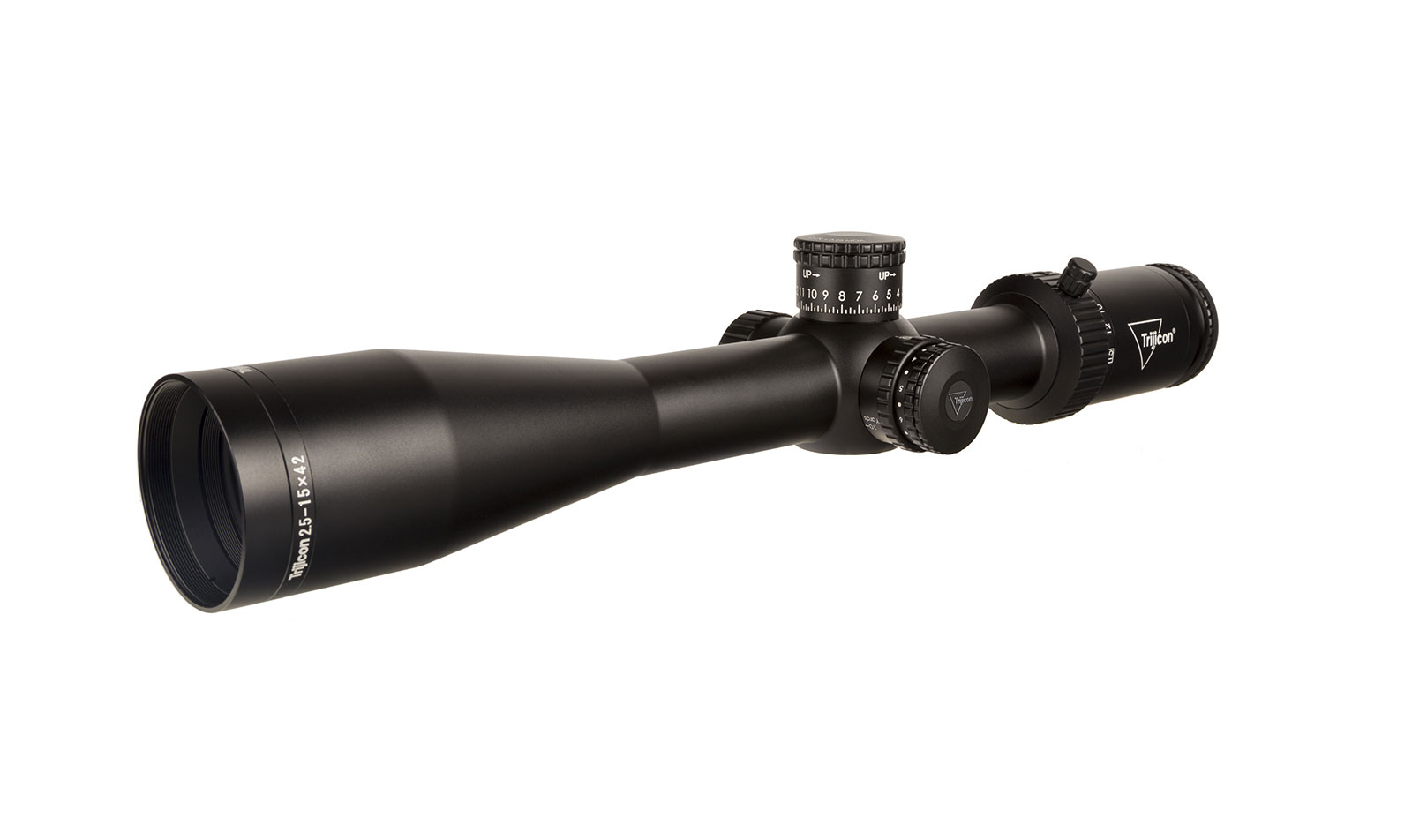
The Nightforce ATACR 5-25×56 arrives with the kind of heft that immediately signals serious intent – this is a 38-ounce scope built for users who prioritize performance over portability. Unboxing reveals machining quality that sets a benchmark in the tactical optics category. The one-piece 34mm tube is manufactured from 7075-T6 aluminum with a hard-anodized finish that shows no tooling marks or inconsistencies. The ATACR 5-25×56 features a true first focal plane design, and the turrets sit tall and positive with zero-stop functionality that engages cleanly without the mushy feel found in lesser designs.
Physical inspection reveals thoughtful engineering throughout. The magnification ring rotates with consistent resistance – firm enough to hold position under recoil but smooth enough for quick adjustments wearing gloves. The parallax adjustment runs from 25 yards to infinity with clear yardage markings, though the font size could be larger for low-light reading. The locking diopter prevents accidental shifts during transport. At 14.96 inches in length, this scope requires proper ring spacing and won’t fit compact mounting solutions. The eyepiece sits flush without protruding bells that catch on gear, and the objective lens housing maintains a low profile despite the 56mm glass.
Optical Performance in Field Conditions
Glass quality separates the ATACR from mid-tier tactical scopes immediately upon first look through the eyepiece. Edge-to-edge clarity remains sharp across the entire magnification range, with minimal chromatic aberration even when glassing high-contrast targets like dark treelines against bright skies. At 5x, the field of view spans 21.1 feet at 100 yards – adequate for close-range work but noticeably narrower than some hunting-focused designs. The true test comes at maximum magnification, where the Nightforce ATACR 5-25×56 delivers exceptional resolution at 25x without the image degradation that plagues scopes pushing their optical limits.
Low-light performance justifies the 56mm objective, though not dramatically. During late evening sessions with legal shooting light fading, the ATACR provided usable images roughly 10-12 minutes longer than comparable 50mm scopes. The extra light transmission helps, but the real advantage shows in target definition rather than pure brightness – fine details remain distinguishable when other optics turn targets into silhouettes. In harsh midday glare and mirage conditions, the ED glass controls distortion effectively. Rain beading on the objective lens does obscure the image, though the lens coatings shed water better than average. Fog has never penetrated the scope through multiple seasons of temperature swings and high-humidity environments.
Turrets & Reticle Functionality
The ZeroStop turrets represent some of the most reliable tracking mechanisms available in any price range. Each click delivers 0.1 mil adjustments with tactile and audible feedback that registers clearly even through heavy gloves or hearing protection. The turrets require deliberate force to rotate – this isn’t a scope where accidental bumps will shift your zero. After repeated tracking tests spanning hundreds of clicks up and down, the Nightforce ATACR 5-25×56 returns to zero consistently without the 0.1-0.2 mil drift that eventually appears in lesser scopes. The tool-free zero reset works intuitively, and the revolution indicator prevents lost count during extended elevation adjustments.
Reticle selection matters significantly with this platform. Testing focused on the Tremor3 and MIL-XT reticles, both first focal plane designs that scale proportionally with magnification changes. The Tremor3 provides extensive holdover and wind references but appears cluttered for precision work beyond 600 yards where the reticle subtensions cover critical target areas. The MIL-XT offers cleaner sight pictures with a floating center dot and hash marks spaced for rapid ranging and holdovers. At 5x, both reticles remain visible but fine details wash out – practical use starts around 8-10x. The illumination system provides 11 brightness settings with off positions between each level, and battery life extends beyond two years of moderate use. Night vision compatibility works as advertised on lower settings.
Real-World Use: Precision & Reliability
Field performance across 18 months of regular use confirms the ATACR’s reputation for mechanical reliability. The scope has logged time on multiple rifle platforms from 6.5 Creedmoor to 300 Win Mag without losing zero or developing mechanical issues. Tracking accuracy translates directly to first-round hits at extended ranges – dialing 6.2 mils for an 800-yard shot puts impacts exactly where the math predicts. The generous eyebox at mid-range magnifications (10-18x) allows for quick target acquisition without perfect head positioning, though the eyebox tightens noticeably above 20x and requires consistent cheek weld for full field of view.
The scope excels in precision rifle applications where weight isn’t a primary concern – competition shooting, long-range target work, and tactical applications where the rifle deploys from stable positions. It performs adequately for precision hunting from fixed positions or vehicles, but the 38-ounce weight becomes burdensome during mountain hunts or extended carries. Recoil handling is exceptional – the scope has endured thousands of rounds from magnum cartridges without shifting in rings or developing internal issues. The only practical limitation appears in rapid transition shooting where the narrow field of view at low magnification slows target acquisition compared to true 1-x or wider field scopes.
How It Compares to Competitors
| Scope | Weight | Glass Quality | Turret Reliability | Price | Best For |
|---|---|---|---|---|---|
| Nightforce ATACR 5-25×56 | 38 oz | Excellent | Outstanding | $3,200 | Precision/tactical applications |
| Kahles K525i 5-25×56 | 32 oz | Excellent | Excellent | $3,000 | Competition shooting |
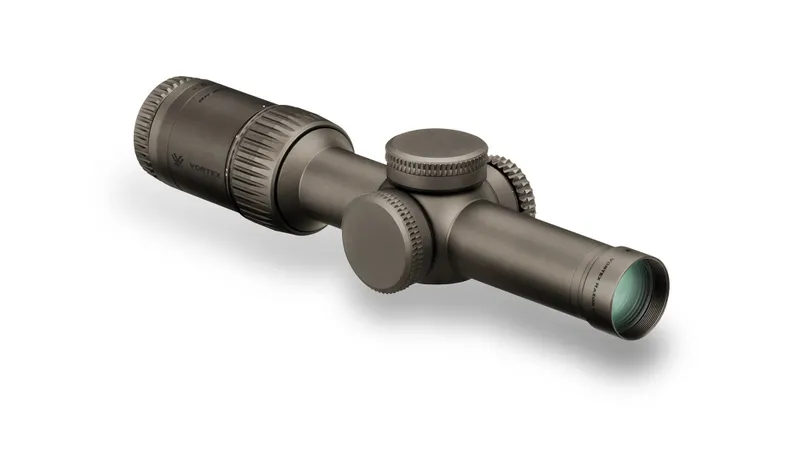
| Vortex Razor HD Gen III 6-36×56 | 49 oz | Excellent | Excellent | $3,600 | Extreme long-range work |
| Leupold Mark 5HD 5-25×56 | 30 oz | Very Good | Very Good | $2,400 | Weight-conscious precision |
The Kahles K525i matches the ATACR’s optical quality while saving six ounces, making it more suitable for hunting applications where weight matters. The Kahles turrets feel slightly less positive but track reliably, and the illumination system integrates better with the reticle design. The Vortex Razor HD Gen III extends magnification to 36x for extreme-range work but adds 11 ounces – justified only if you regularly shoot beyond 1,200 yards. The Leupold Mark 5HD sacrifices some glass quality and turret refinement but delivers 80% of the ATACR’s performance at eight ounces lighter and $800 less.
The Nightforce ATACR 5-25×56 justifies its price for shooters who demand absolute reliability and won’t accept tracking errors or mechanical failures. If your shooting discipline involves dialing elevation for every shot and your hits depend on precise turret adjustments, the ATACR delivers measurable advantages. For hunters who primarily use holdovers and rarely adjust turrets, the extra cost buys capability you won’t fully utilize. The scope makes most sense for competition shooters, tactical operators, and serious long-range practitioners who shoot frequently enough to appreciate the refinement in daily use.
Common Mistakes When Using This Scope
New users frequently mount the ATACR too far forward, attempting to maximize eye relief and creating a restricted eyebox that causes scope shadow and inconsistent sight pictures. The optimal mounting position places your eye 3.5-3.9 inches behind the eyepiece at your natural shooting position – closer than many shooters initially expect. This positioning provides full field of view across the magnification range and consistent head placement for repeatable accuracy. Ring selection matters significantly with the 34mm tube – cheap rings will slip under recoil with this heavy optic, and proper torque specs (typically 18-20 inch-pounds on ring screws) prevent shifting without over-stressing the tube.
The second common error involves running maximum magnification for all shooting scenarios. While the ATACR delivers clear images at 25x, mirage, atmospheric distortion, and reduced eyebox make mid-range magnifications (15-18x) more practical for most field shooting beyond 600 yards. Shooters also frequently fail to properly set the parallax adjustment, leaving it at infinity and wondering why precision degrades at closer ranges. The parallax requires adjustment for each distance – a few seconds spent properly setting parallax prevents unexplained vertical stringing. Finally, many users never practice with the reticle holdovers, depending entirely on dialing turrets and losing valuable speed when rapid follow-up shots demand quick adjustments without time for mechanical corrections.