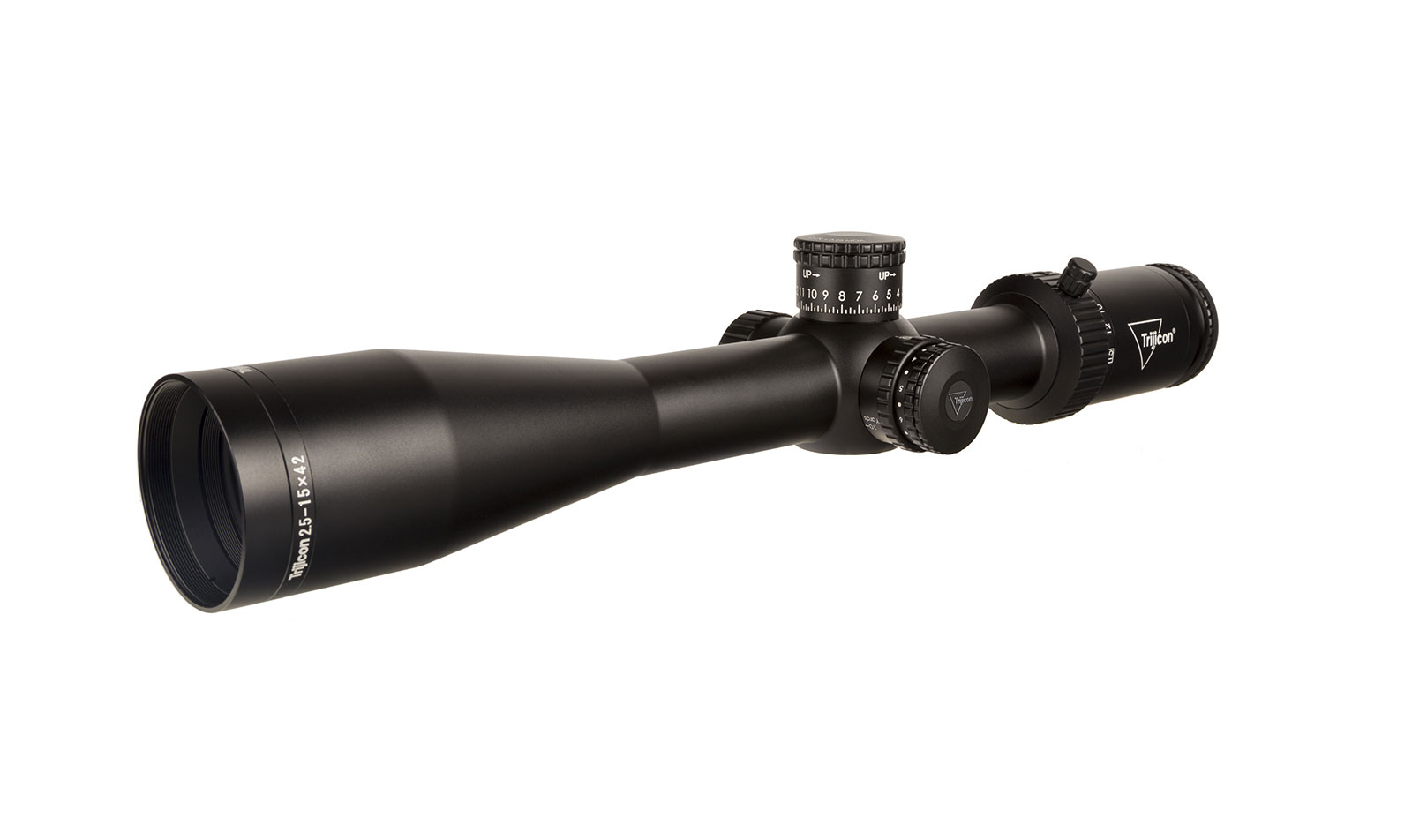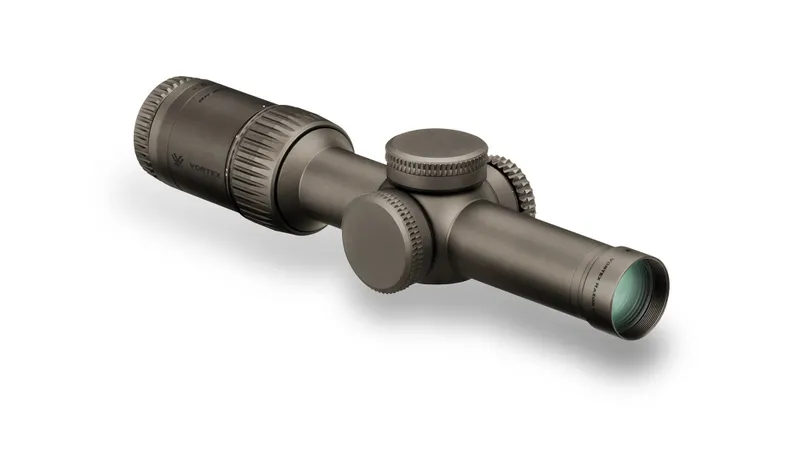

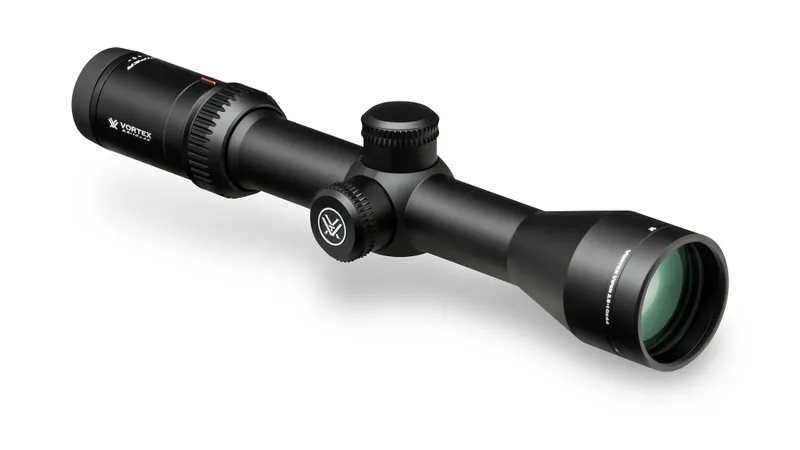
The Vortex Viper HS 2.5-10×44 arrives with a reassuring heft that immediately signals quality construction without crossing into the excessive weight territory that plagues some hunting scopes. At 17.3 ounces, it sits in a comfortable middle ground for a traditional hunting optic – substantial enough to inspire confidence in durability, but light enough that you won’t curse it after a full day of mountain hunting. The tube is a standard 30mm diameter with a matte black anodized finish that resists glare effectively. The machining quality is clean, with smooth transitions between surfaces and no sharp edges that could snag on gear or clothing during quick deployment.
What stands out during initial handling is the tactile quality of the controls. The power ring turns with consistent resistance throughout its range, requiring deliberate input but never feeling stiff or sticky. The eyepiece locks firmly once diopter adjustment is complete. The fast-focus eyepiece design works well, though it requires more rotation than some European designs to achieve sharp focus. The scope feels like a tool built for field use rather than a display piece – there’s nothing delicate about it. The objective bell and ocular housing are generously sized, which contributes to the scope’s presence on a rifle but also hints at the optical capabilities within.
Optical Performance in Field Conditions
Glass quality in the Vortex Viper HS 2.5-10×44 is where this scope earns its keep. The view is noticeably clearer than budget-tier optics, with good color fidelity and contrast that helps separate game from background vegetation in mixed light. Edge-to-edge sharpness is respectable – not class-leading, but the sweet spot covers roughly 70-75% of the field of view, which is adequate for hunting applications where you’re primarily focused on the center anyway. Chromatic aberration is well-controlled in typical hunting scenarios, though you’ll notice some purple fringing when glassing against bright skies or snow at higher magnifications.
Low-light performance is a genuine strength. The 44mm objective paired with the relatively modest 10x top-end magnification creates a respectable exit pupil, and the coatings do their job efficiently. During evening hunts in timber, the Viper HS maintains usable clarity well into that critical last 20 minutes of shooting light when animals move most actively. It won’t match alpha-tier European glass in absolute light transmission, but it performs admirably against other scopes in its price bracket. In heavy overcast conditions, the image remains bright enough for confident shooting. One limitation worth noting: at 2.5x in close timber, the eye box becomes somewhat finicky, requiring precise head placement to avoid shadowing at the edges of the field of view.
Turrets & Reticle Functionality
The Viper HS employs capped turrets with MOA adjustments – a sensible choice for a hunting scope where you’ll zero and leave it rather than dial frequently. The caps thread on securely and provide good weather protection. Underneath, the turret clicks are positive and audible, with each 1/4 MOA adjustment producing a distinct tactile and audible feedback. I’ve tracked these turrets through box tests and they return to zero reliably, which is the fundamental requirement. The turrets aren’t designed for rapid field adjustments like a tactical scope, but they’re perfectly adequate for the occasional zero verification or minor correction when switching ammunition.
The Dead-Hold BDC reticle is a mixed bag depending on your shooting style. For hunters who prefer holdover methods and shoot at known distances with consistent loads, the subtensions can work effectively once you’ve verified them with your specific ammunition. The reticle is in the second focal plane, so the holdover marks are only accurate at 10x magnification. This isn’t a problem if you discipline yourself to dial to max power before taking longer shots, but it’s a consideration that requires mental consistency in field conditions. The reticle thickness is well-balanced – fine enough for precise aiming but heavy enough to remain visible in low light. My preference would be for a simpler duplex or a finer crosshair for precise shot placement, but the BDC serves its intended purpose for hunters who want ranging reference points without the complexity of a Christmas tree reticle.
Real-World Use Across Hunting Scenarios
I’ve used the Vortex Viper HS 2.5-10×44 across several hunting seasons on a .308 Winchester, and it’s proven itself as a dependable workhorse. For whitetail hunting in mixed timber and agricultural edges – which represents the most common North American hunting scenario – this scope is nearly ideal. The 2.5x low end provides adequate field of view for quick target acquisition when a deer appears suddenly at 50 yards in thick cover, though you’ll need to get your head position right quickly. The 10x top end delivers plenty of magnification for confident shooting out to 300-350 yards, which covers the vast majority of ethical hunting shots on medium game.
Where this scope truly shines is in the weight-to-performance balance for mountain hunting. On a week-long mule deer hunt in Colorado, the Viper HS spent days being carried through elevation changes, bumped against rocks during scrambles, and exposed to temperature swings from freezing mornings to warm afternoons. It held zero throughout without complaint and never fogged internally despite significant condensation forming on the exterior during temperature transitions. The moderate magnification range is perfect for the varied shot opportunities you encounter in mountain terrain – close enough for timber shots, powerful enough for cross-canyon opportunities. The scope doesn’t excel at extreme long range work; beyond 400 yards, the relatively simple reticle and 10x magnification start to feel limiting compared to higher-powered tactical scopes.
How It Compares to Direct Competitors
The competitive landscape at this price point is crowded with capable options. Here’s how the Viper HS stacks up against its most direct rivals:
| Optic | Weight | Glass Quality | Turret System | Price Range | Best For |
|---|---|---|---|---|---|
| Vortex Viper HS 2.5-10×44 | 17.3 oz | Very Good | Capped MOA | $550-$600 | All-around hunting, good value |
| Leupold VX-3HD 2.5-8×36 | 12.2 oz | Very Good | Capped MOA/MIL | $500-$550 | Weight-conscious hunters |
| Burris Fullfield IV 2.5-10×42 | 16.9 oz | Good | Capped MOA | $400-$450 | Budget-focused buyers |
| Athlon Midas TAC 2.5-10×40 | 19.8 oz | Very Good | Exposed tactical | $450-$500 | Hunters wanting dialing capability |
Against the Leupold VX-3HD, the Viper HS offers slightly better optical performance in my testing, with a touch more clarity and better low-light capability thanks to the larger objective. However, the Leupold is noticeably lighter and has a more refined feel to its controls. If you’re counting ounces for a backcountry rifle, the Leupold makes more sense. If optical quality is your priority and you can accept the weight penalty, the Viper HS edges ahead.
The Burris Fullfield IV comes in at a lower price point and offers similar magnification range with respectable glass quality. However, the Vortex delivers noticeably better coatings and slightly superior edge clarity. The difference isn’t enormous, but it’s there. The Athlon Midas TAC is interesting because it offers exposed turrets at a similar price, making it better suited for shooters who want to dial elevation adjustments. The Viper HS is the better pure hunting scope with its capped turrets and slightly cleaner optical presentation, while the Athlon serves double-duty for hunters who also shoot precision rifle competitions. None of these competitors are bad choices – your decision should hinge on whether you prioritize weight savings, budget constraints, or optical performance.
Common Mistakes When Using the Viper HS
The most frequent error I see with this scope is improper eye relief management, particularly at the 2.5x setting. Shooters accustomed to scopes with more forgiving eye boxes will sometimes experience scope shadow or tunneling because they haven’t positioned their head correctly. The Viper HS requires consistent cheek weld and head position, especially at low magnification. Take time during initial setup to ensure your scope mounting provides the correct eye relief at all magnification settings – this typically means positioning the scope slightly farther forward than you might initially think comfortable. Once properly mounted, maintain disciplined shooting form and the eye box issues largely disappear.
Another common mistake involves misunderstanding the BDC reticle’s limitations. I’ve watched hunters attempt to use the holdover marks at magnifications other than 10x, which renders the subtensions meaningless. If you’re going to rely on the BDC for longer shots, you must verify your specific ammunition’s trajectory against the reticle’s holdover points at 10x magnification, and you must discipline yourself to dial to full power before taking shots where you’ll use those references. Alternatively, many shooters would be better served ignoring the BDC entirely and treating this as a simple duplex reticle, zeroing at 200 yards and learning their holdovers through practice. The final mistake is over-torquing the turret caps during reinstallation after zero adjustments – hand-tight is sufficient, and excessive force can strip the threads or distort the cap, leading to poor weather sealing. Treat the caps with reasonable care and they’ll protect the turrets reliably for years.