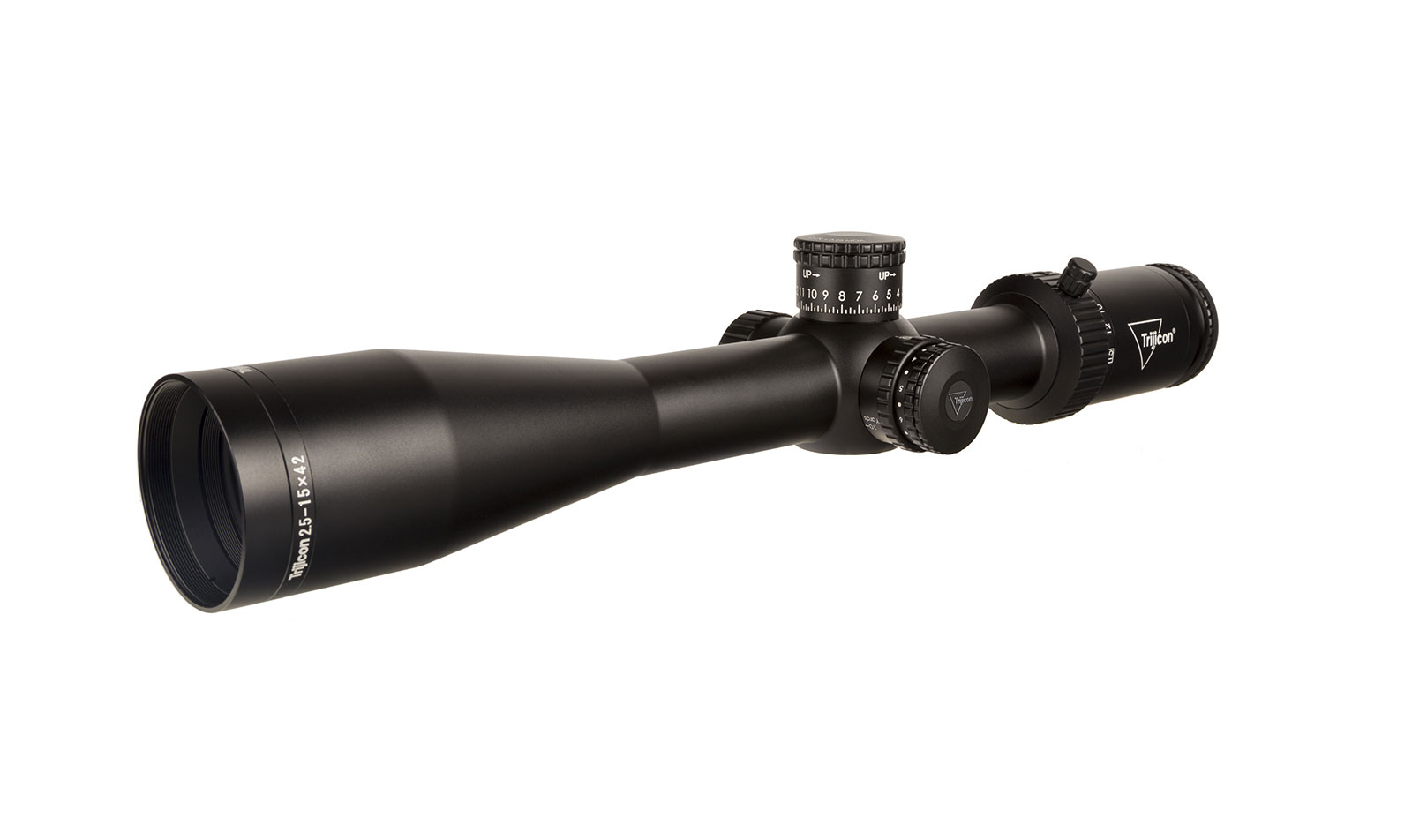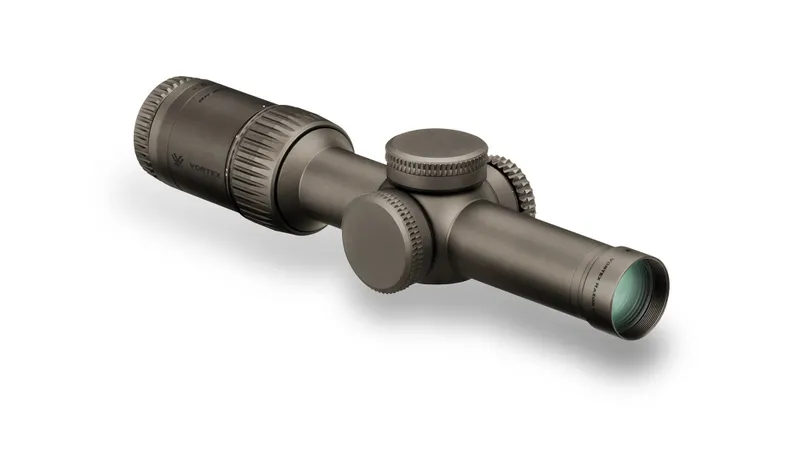

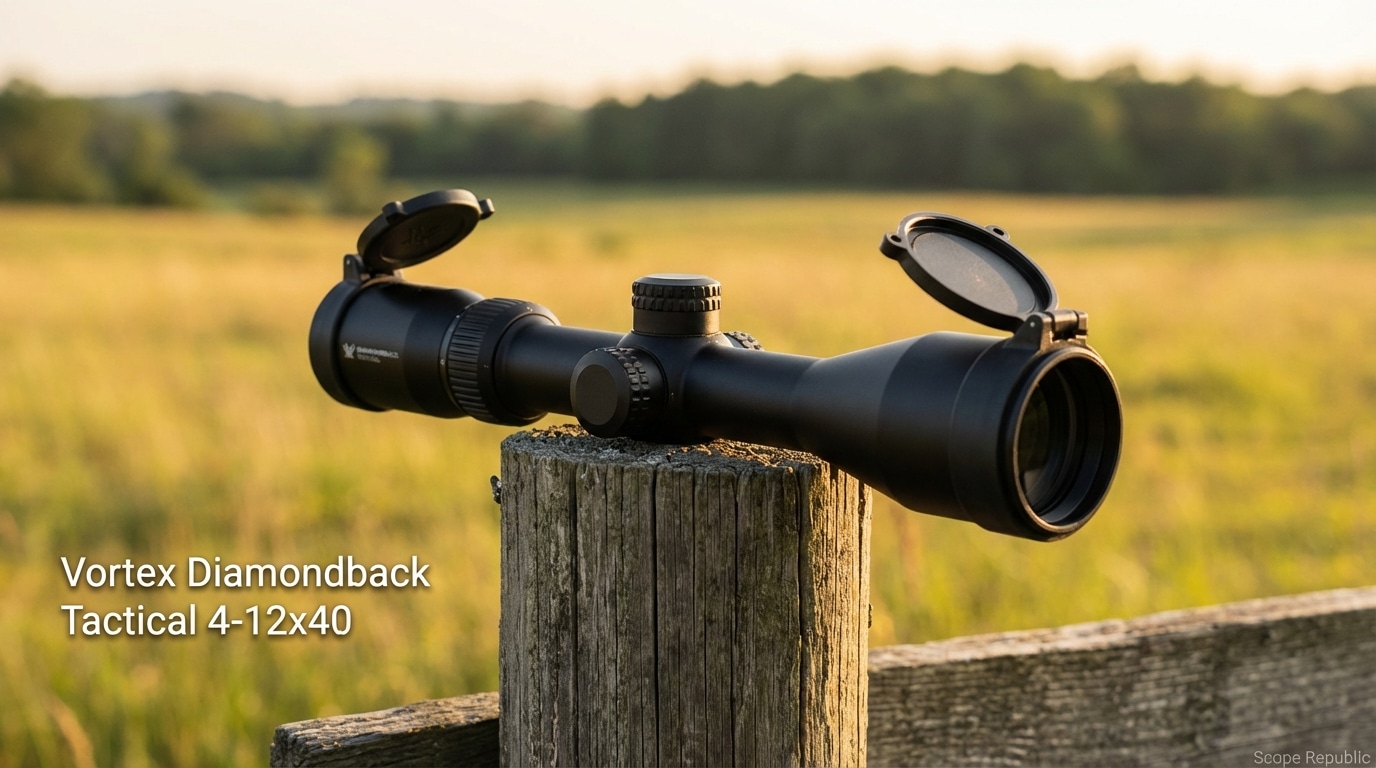
The Vortex Diamondback Tactical 4-12×40 occupies an interesting position in the budget-oriented tactical scope market. Priced significantly lower than premium offerings but positioned above entry-level hunting scopes, it promises first focal plane optics, exposed tactical turrets, and enough magnification range for both close-range work and moderate distance precision shooting. After several months of field use across multiple platforms and conditions, I’ve developed a clear picture of where this scope excels and where compromises become apparent.
This review reflects real-world experience with the Diamondback Tactical mounted on both a .308 precision rifle and a .223 AR-15 platform. I’ve used it in varying light conditions, from bright midday sun to dusk shooting sessions, and tested its mechanical reliability through repeated adjustments and live-fire tracking exercises. The goal here isn’t to sell you on this optic – it’s to provide honest assessment so you can determine whether it fits your specific shooting needs and budget constraints.
First Impressions & Build Quality Assessment
Unboxing the Diamondback Tactical reveals a scope that looks more substantial than its price tag suggests. The 30mm main tube feels solid, and at 18.9 ounces, it’s light enough for field rifles without feeling cheap. The anodizing is even and well-executed, though not quite to the standard of scopes costing twice as much. The turrets have aggressive knurling that works well with gloves, and the magnification ring operates smoothly with appropriate resistance. The fast-focus eyepiece locks securely once adjusted, and the overall fit and finish suggest Vortex put genuine effort into maximizing perceived quality at this price point.
However, closer inspection reveals the expected compromises. The turrets, while functional, have a slightly hollow feel compared to higher-end options. There’s no zero stop mechanism, which some shooters will miss for quick returns to base settings. The scope caps are simple flip-ups that get the job done but lack the refinement of competitors. The sunshade threads on smoothly, though it’s a basic design. Nothing feels fragile or poorly made, but experienced shooters will immediately recognize this isn’t competing with $800+ optics in tactile quality. For the money, build quality is competitive – just don’t expect premium refinement.
Optical Performance in Variable Conditions
The optical performance of the Diamondback Tactical is where budget realities become most apparent, yet also where the scope proves surprisingly capable for its class. In bright to moderate lighting conditions, the glass delivers acceptable clarity and color rendition. Edge-to-edge sharpness is reasonable at lower magnifications, with some softening toward the periphery as you approach 12x. Chromatic aberration is noticeable when examining high-contrast edges – tree branches against bright sky reveal purple fringing that premium scopes control better. For practical shooting purposes within 400 yards, the glass is entirely serviceable, providing enough resolution to identify targets and make precise shots.
Low-light performance exposes the limitations of a 40mm objective and budget glass coatings. Compared to 44mm or 50mm scopes with superior lens treatments, the Diamondback Tactical loses usable light noticeably earlier in diminishing conditions. During late-evening shooting sessions, I found myself wishing for another 15-20 minutes of viable shooting light. The image doesn’t turn muddy or unusably dark, but definition and contrast fade faster than with scopes featuring better glass and larger objectives. If you primarily shoot in good light or during midday, this won’t concern you. Hunters working dusk and dawn should consider this a real limitation and potentially look at larger objective models or save for better glass quality.
Turrets, Reticle & Tracking Accuracy
The exposed tactical turrets use 0.25 MOA clicks with audible and tactile feedback that’s adequate but not exceptional. Each click is distinguishable, though the feel is somewhat mushy compared to crisper mechanisms found on Athlon Midas TAC or SWFA SS scopes. The turrets reset to zero by loosening a set screw, pulling up, rotating to zero, and re-tightening – a simple system that works reliably. I’ve run this scope through multiple box tests and tall target tracking exercises, and it has consistently tracked true without measurable deviation. For a scope in this price bracket, mechanical reliability has been solid through approximately 600 rounds of centerfire use.
The first focal plane EBR-2C reticle (MOA version tested) proves genuinely useful for holdovers and ranging, with the reticle scaling appropriately with magnification changes. The Christmas tree design provides plenty of wind holds and elevation references without excessive clutter. Reticle thickness is well-balanced – visible at low power but not obscuring at higher magnification. My primary complaint is that the fine center crosshair can disappear against certain backgrounds in low light, making precise aiming challenging during the last shooting light. The illumination feature helps somewhat, though it’s not daylight-bright and offers limited intensity settings. For tactical and precision rifle applications where you’re dialing rather than holding, this reticle performs well. Hunters might prefer simpler designs.
Real-World Field Testing & Applications
I’ve used the Diamondback Tactical primarily for precision rifle practice from 100-500 yards, and it handles this role competently. Dialing elevation for different distances works reliably, and the magnification range proves versatile for both closer targets and moderate long-range work. On a .308 bolt gun, the scope has held zero through transport, temperature changes, and recoil without issues. The eye box is reasonably forgiving, particularly at lower magnifications, though it tightens noticeably above 10x. For positional shooting where head position varies, this requires attention but isn’t deal-breaking. The scope’s weight and length balance well on standard tactical rifles without creating unwieldy front-heaviness.
Where this scope struggles is in dynamic, low-light hunting scenarios. I attempted using it for deer hunting during a week-long trip, and the 40mm objective combined with budget glass left me unable to confidently identify and aim during prime early morning and late evening periods. The scope works fine for target shooting and prairie dog hunting in good light, but serious hunters working dawn and dusk should look elsewhere. It’s also worth noting that while tracking has been reliable, I wouldn’t trust this scope for extreme long-range work beyond 600 yards where every click must be perfect. This is a training scope, a budget precision option, or a tactical match scope for shooters who understand its limitations. It’s honest equipment that performs to its price point without pretending otherwise.
Competitive Comparison
| Scope | Price | Glass Quality | Turret Feel | Low Light | Best Use |
|---|---|---|---|---|---|
| Vortex Diamondback Tactical 4-12×40 | ~$350 | Adequate, CA present | Functional, mushy | Weak | Budget precision/training |
| Athlon Midas TAC 5-25×56 | ~$450 | Slightly better | Crisper clicks | Better (56mm) | Precision shooting/hunting |
| SWFA SS 3-15×42 | ~$700 | Noticeably superior | Excellent | Good | Serious tactical/hunting |
| Bushnell Match Pro 6-24×50 | ~$380 | Comparable | Similar | Better (50mm) | Competition/precision |
The Diamondback Tactical undercuts most competitors on price while delivering first focal plane functionality and reliable tracking. The Athlon Midas TAC offers better glass and low-light capability for about $100 more, which represents genuine value for hunters. SWFA’s fixed or variable SS line costs significantly more but delivers noticeably better optical and mechanical quality – worth considering if budget allows. Bushnell’s Match Pro provides similar features with a larger objective for comparable money, making it worth cross-shopping.
The Vortex Diamondback Tactical 4-12×40 succeeds as an affordable entry into first focal plane tactical scopes with reliable tracking and useful features. It’s ideal for shooters building budget precision rifles, those learning to dial elevation and wind, or anyone needing tactical features without premium pricing. The scope delivers on its core promise: mechanically reliable performance with adequate optics for training and moderate-distance precision work. Vortex’s VIP warranty adds genuine value, providing peace of mind that manufacturing defects won’t leave you stranded.
However, this scope isn’t for everyone. Hunters working low-light conditions should spend more for better glass and larger objectives. Serious long-range competitors will quickly outgrow its optical limitations. If you can stretch your budget another $150-200, scopes with noticeably better glass become available. But if $350 is your ceiling and you need FFP with exposed turrets, the Diamondback Tactical represents honest value. It won’t wow you with premium performance, but it won’t fail you either – and sometimes that’s exactly what a working scope should be.