
The Vortex Strike Eagle 1-6×24 sits in an interesting position within the low-power variable optic (LPVO) market – affordable enough for shooters on a budget, yet built with features that suggest serious intent. Priced well below premium competitors, this scope has become a common sight on AR-platform rifles, three-gun competition guns, and general-purpose hunting setups. After several months of field use across range sessions, hog hunts, and variable weather conditions, I’ve developed a clear understanding of where this optic excels and where its limitations become apparent. This isn’t a scope that tries to compete with $2,000 LPVOs, and that’s actually part of its appeal – it knows what it is and delivers accordingly.
Vortex Strike Eagle 1-6×24: First Impressions
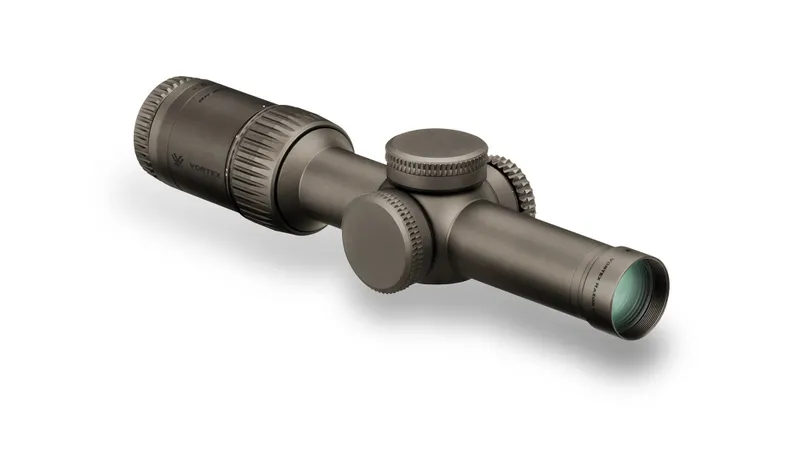
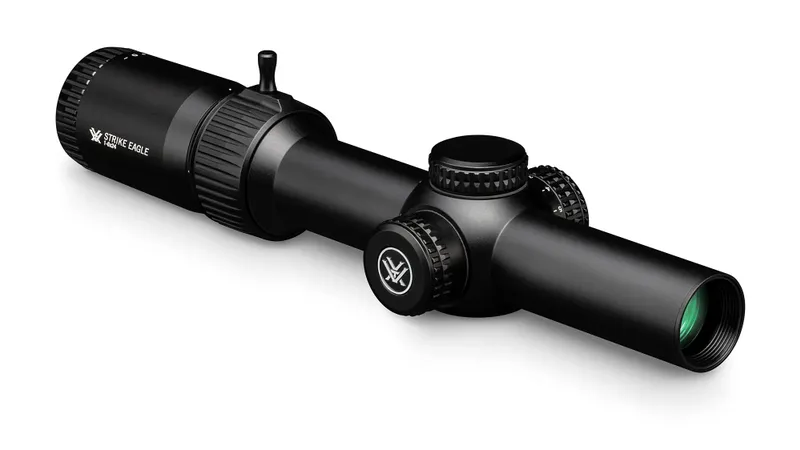
Unboxing the Strike Eagle reveals a scope that feels substantial without being burdensome. At 17.6 ounces, it’s neither the lightest nor heaviest in its class, striking a reasonable balance for extended carry. The 30mm tube and matte finish give it a professional appearance, though the machining isn’t quite as refined as what you’d find on higher-end Vortex models like the Razor series. The throw lever included in the package is a practical addition that many competitors charge extra for, and it installs easily for rapid magnification changes.
The eyebox at 1x is forgiving – critical for fast target acquisition in close quarters – though it tightens noticeably as you dial up toward 6x. Eye relief measures around 3.5 inches, adequate for most rifle configurations but something to consider if you’re mounting this on a hard-recoiling platform. The illumination dial clicks positively through eleven settings, with the off positions between each brightness level being a thoughtful touch for preserving battery life during extended hunts.
Optical Performance in Field Conditions
Glass clarity is where the Strike Eagle’s price point becomes most evident. In bright to moderate lighting, the optic delivers acceptable edge-to-edge sharpness at lower magnifications, with some expected softening at the periphery when cranked to 6x. Colors appear neutral without significant color fringing, though chromatic aberration is visible when glassing high-contrast edges – particularly noticeable against bright skies or snow. This isn’t unusual for a scope in this price bracket, but it’s worth acknowledging if you’re comparing it against more expensive options.
Low-light performance is adequate but not exceptional. During evening hog hunts in South Texas, I found myself wishing for better light transmission in that critical last twenty minutes of shooting light. The scope remains usable, but targets lose definition faster than they do through higher-end glass. The illuminated reticle helps considerably in these conditions, though even at maximum brightness, it’s not daylight-bright enough for use in full sun – again, typical for this class. For most hunting scenarios in reasonable light, the optical performance gets the job done without complaint.
Turrets, Reticle, and Tracking Accuracy
The Strike Eagle features capped turrets with 1/2 MOA adjustments, clearly designed for set-it-and-forget-it zeroing rather than dialing in the field. The clicks are audible and tactile enough to count, but they lack the crisp, mechanical precision of higher-end scopes. I wouldn’t recommend using these turrets for regular holdover adjustments during a shooting session – the BDC reticle is intended to handle that work. After several box tests at 100 yards, tracking proved consistent and repeatable, returning to zero reliably. This is basic functionality, but it’s essential, and the Strike Eagle delivers here.
The AR-BDC3 reticle (in the model I tested) is busy but functional. The horseshoe center is fast to acquire at 1x and precise enough at 6x for shots out to 400-500 yards on medium game, assuming you’ve taken the time to validate your bullet drop against the holdover marks. The hash marks are calibrated for 5.56 NATO with 55-grain projectiles, so if you’re running different ammunition or chamberings, expect to do some homework. The reticle subtensions work reasonably well for ranging if you know your target size, though this isn’t a primary ranging tool. The illumination is limited to the center horseshoe, which keeps the reticle uncluttered but means your BDC holds remain dark in low light.
Real-World Use: From Range to Field
On the range, the Strike Eagle performs its intended role competently. Transitioning from 1x to 6x with the throw lever is quick, and the scope handles rapid shooting drills without issue. For three-gun competitors or recreational shooters, this optic offers solid value – you’re getting legitimate 1x performance for close work and enough magnification for engaging targets at intermediate distances. The reticle design supports fast shooting, and the weight won’t punish you during movement-heavy stages.
In hunting applications, I’ve found the Strike Eagle most suitable for driven hunts, hog control, and situations where shots present themselves inside 300 yards. On a predator hunt in West Texas, the scope handled well during spot-and-stalk work, though I did notice the eyebox becoming finicky when shooting from awkward positions at higher magnification. For mountain hunting where every ounce matters and glassing in marginal light is critical, I’d recommend looking elsewhere – the optical compromises become more pronounced in demanding conditions. This is a workhorse optic for general use, not a specialized tool for extreme environments.
Comparison: Strike Eagle 1-6×24 vs. Competitors
| Feature | Vortex Strike Eagle 1-6×24 | Primary Arms SLx 1-6×24 | Burris RT-6 1-6×24 | Leupold VX-6HD 1-6×24 |
|---|---|---|---|---|
| Street Price | ~$300 | ~$280 | ~$350 | ~$1,100 |
| Weight | 17.6 oz | 16.3 oz | 19 oz | 13.3 oz |
| Glass Quality | Acceptable | Comparable | Slightly Better | Significantly Better |
| Illumination | Good, not daylight-bright | Similar | Similar | Excellent, daylight-bright |
| Reticle Options | AR-BDC3, others | ACSS Raptor | Ballistic CQ | Firedot Duplex, others |
| Turret Type | Capped, 1/2 MOA | Capped, 1/10 mil | Capped, 1/2 MOA | Capped, 1/4 MOA |
| Warranty | VIP Unlimited | Lifetime | Forever | Lifetime |
| Best For | Budget AR builds, general use | Shooters wanting ACSS reticle | Similar to Strike Eagle | Serious hunters, premium build |
Who Should Buy the Strike Eagle 1-6×24 – and Who Shouldn’t
This scope makes sense for shooters building their first AR-15, those entering three-gun competition on a budget, or hunters needing an affordable optic for a truck gun or hog rifle. If you’re working within a $300 scope budget and need variable magnification with true 1x capability, the Strike Eagle represents solid value. Vortex’s VIP warranty adds considerable peace of mind – if something breaks, they’ll fix or replace it without hassle. For casual shooters who won’t push equipment to extremes, the compromises here are entirely livable.
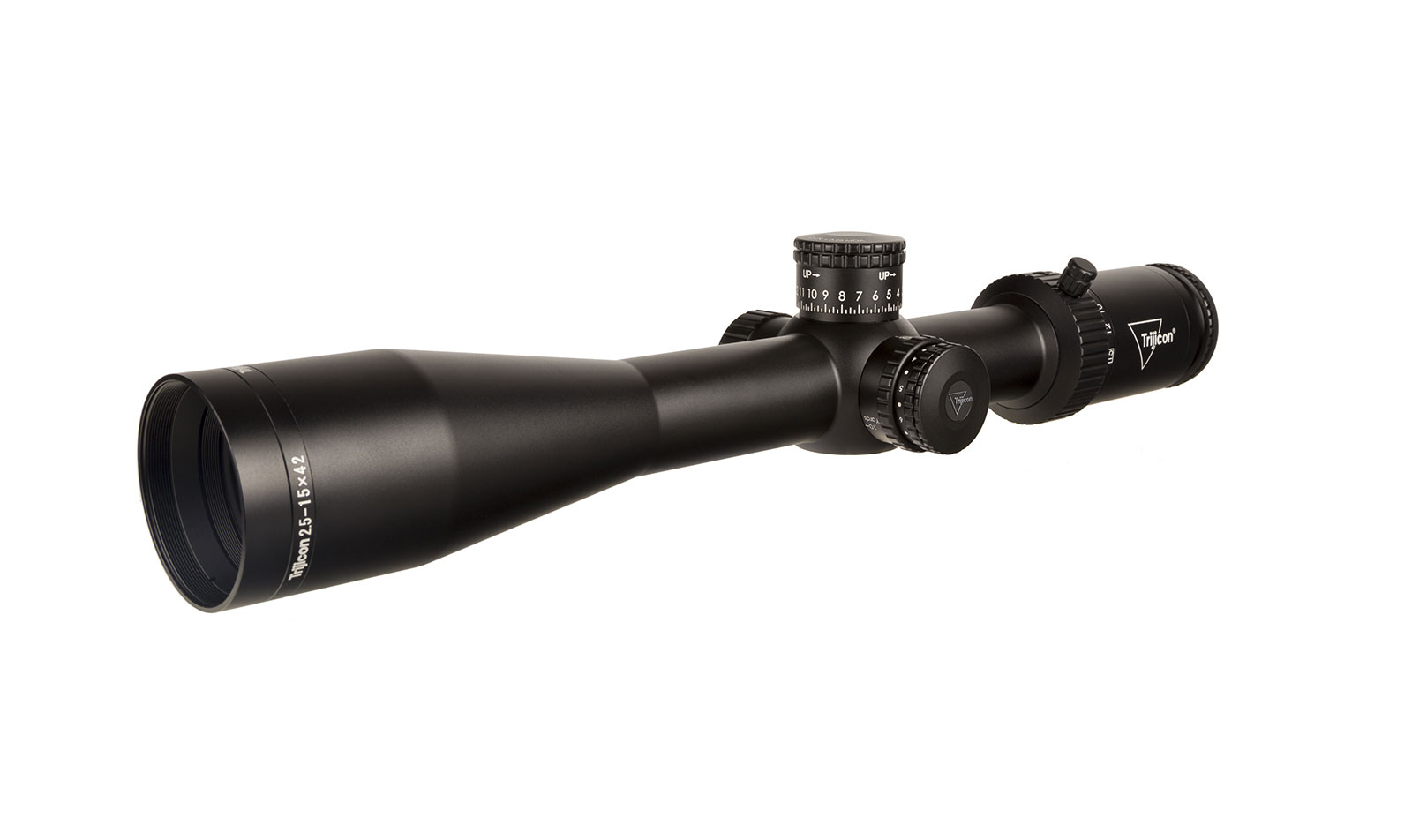
You should look elsewhere if low-light performance is critical to your hunting style, if you demand premium glass clarity for long-range precision work, or if weight savings matter significantly. Mountain hunters, serious long-range shooters, and those who regularly glass in marginal light will find the Strike Eagle’s limitations frustrating. In those scenarios, saving for a Leupold VX-6HD, Trijicon Credo, or even a used higher-end optic makes more sense than settling for optical performance that won’t meet your needs when it matters most.
The Vortex Strike Eagle 1-6×24 is an honest scope that delivers what its price promises – functional performance without pretense. It won’t wow you with exceptional glass or featherweight construction, but it won’t let you down during normal use either. The tracking is reliable, the warranty is unbeatable, and the feature set is complete enough for most shooters’ needs. Understanding its limitations is key to satisfaction: this is a general-purpose LPVO for budget-conscious shooters, not a precision instrument for demanding applications. If your expectations align with what $300 can reasonably deliver in an optic, the Strike Eagle will serve you well. If you need more, be prepared to spend more – there’s no magic bullet in the optics world, just honest trade-offs between cost and capability.